Sending emails directly from your CRM can save time and streamline your sales process. HubSpot, a popular CRM platform, offers a robust email integration that allows you to compose, personalize, and track emails without leaving the system. In this step-by-step guide, we'll walk you through how to set up and effectively use HubSpot's email features to engage with your contacts and drive conversions.
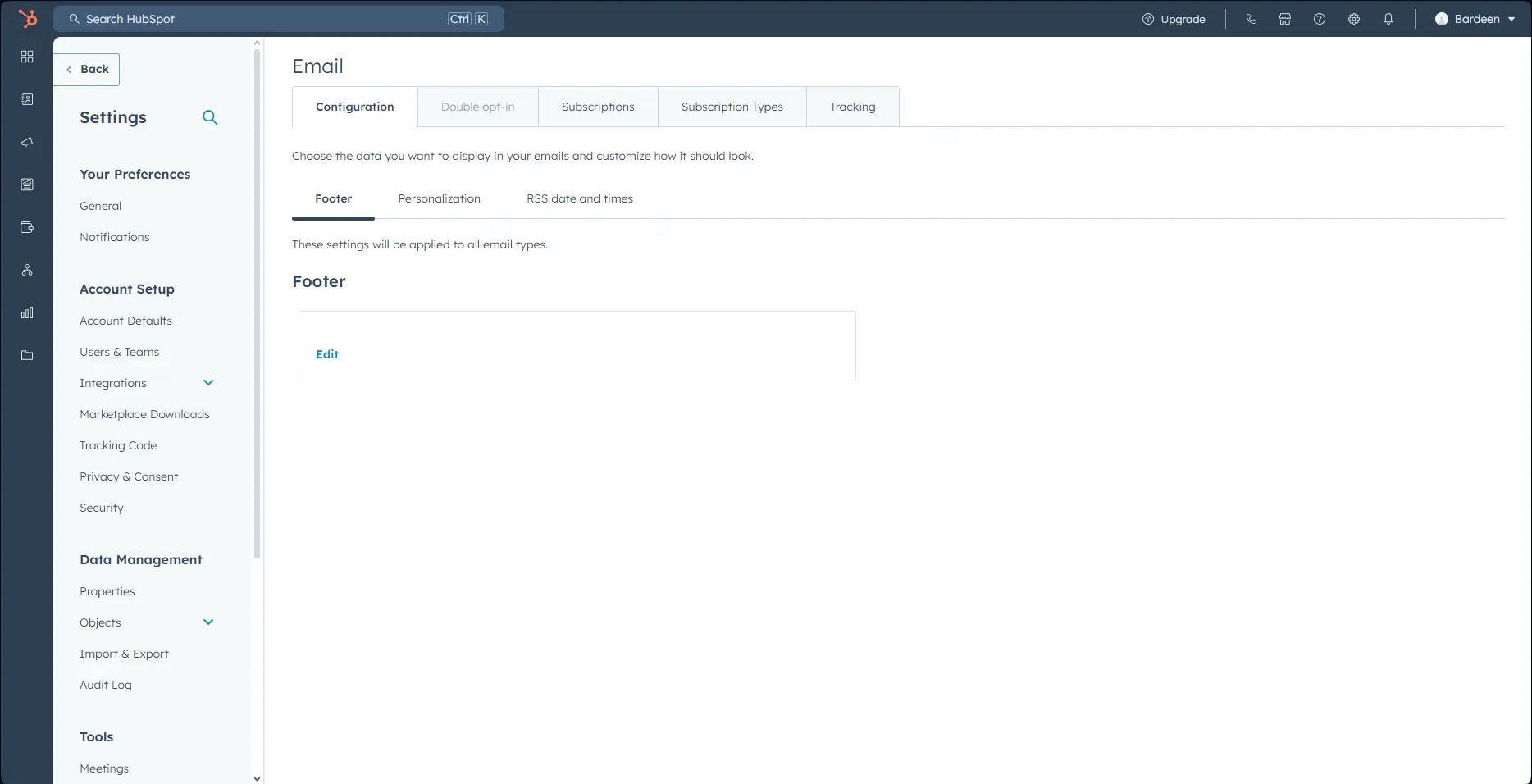
To start sending emails directly from HubSpot CRM, you first need to integrate your email account with the platform. HubSpot supports a variety of email clients, including Gmail, Outlook, and other IMAP-based providers. Here's how to connect your email:
If you encounter any issues during the integration process, try these troubleshooting tips:
Once your email is successfully connected, you'll be ready to start composing and sending emails directly from HubSpot CRM.
With HubSpot CRM, you can easily compose and send emails directly from a contact's record. To start, navigate to the contact's record and click on the "Email" tab. This will open the email composer, where you can craft your message with AI assistance.
HubSpot offers several features to streamline your email process:

When composing your email, it's crucial to ensure that it complies with privacy and spam regulations. Avoid using misleading subject lines, and always provide an option for recipients to unsubscribe from future communications.
Once you've finished composing your email, click the "Send" button to deliver it to the contact's inbox. HubSpot will automatically log the email activity on the contact's record, making it easy to track your communication history.
Bardeen can automate repetitive tasks like summarizing and saving new emails to HubSpot. This way, you can focus on your important work.

HubSpot's marketing tools make it easy to create and send bulk emails to your contacts. To get started, navigate to the "Marketing" tab and select "Email." From there, you can create a new email campaign or use one of HubSpot's pre-designed templates.

When creating your bulk email campaign, it's essential to segment your contacts to ensure that you're sending the right message to the right audience. HubSpot allows you to create lists based on various criteria, such as contact properties, engagement history, or lifecycle stage. By targeting specific segments, you can improve the relevance and effectiveness of your email campaigns.
Another crucial aspect of bulk email campaigns is A/B testing. HubSpot enables you to test different subject lines, content, or send times to determine which elements resonate best with your audience. By analyzing the results of your A/B tests, you can continually optimize your email campaigns for better engagement and conversion rates.

When sending bulk emails, be mindful of email marketing best practices and regulations, such as the CAN-SPAM Act. HubSpot provides tools to help you comply with these guidelines, such as including an unsubscribe link and your company's physical address in every email. Mailchimp integration can also streamline your email marketing efforts.
HubSpot provides robust tools for analyzing the performance of your marketing emails. To access these insights, navigate to the email dashboard and click on the name of the sent email you wish to review.
Key metrics to consider include:

HubSpot's built-in analytics also provide data on deliverability, including successful deliveries, bounces, unsubscribes, and spam reports. Clicking on any of these metrics will display a detailed breakdown of recipient data.
Additional features, such as an HTML click map and top clicked links report, offer valuable insights into how recipients engage with your email content. This information can help you optimize future campaigns by identifying the most effective elements of your emails.
When interpreting email performance data, consider factors such as the subject line, send time, and segmentation to make informed decisions about your email strategy. Regularly monitoring and analyzing these metrics will enable you to continuously improve your email marketing efforts and drive better results.
Bardeen can automate repetitive tasks and save time. Focus on your important work while Bardeen handles the rest.
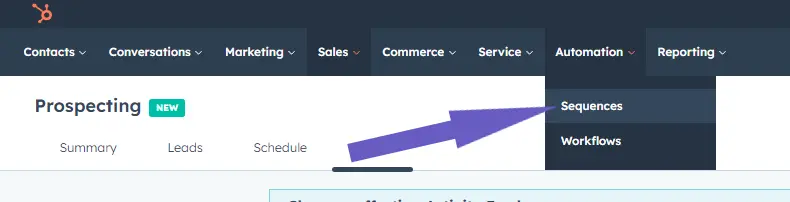
HubSpot's powerful automation capabilities allow you to create complex email workflows based on user behavior and triggers. These workflows can help nurture leads, engage customers, and save time by automating repetitive tasks.
To set up an email workflow in HubSpot:
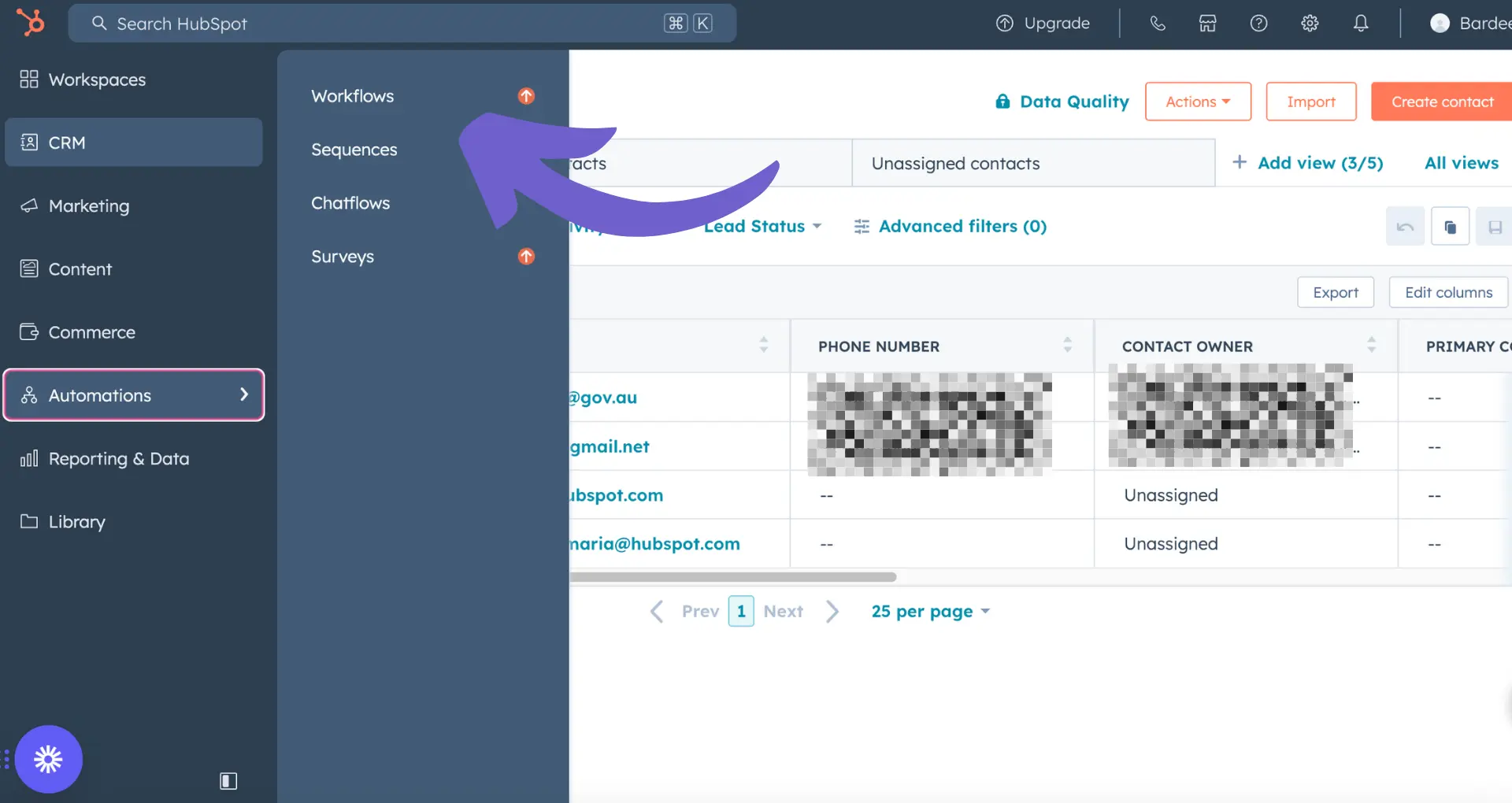
When creating an email for your workflow, you can either select an existing template or design a new email using HubSpot's drag-and-drop editor. Be sure to personalize your content using HubSpot's personalization tokens and smart content features.
One common use case for email workflows is creating drip campaigns that nurture leads over time. These campaigns typically consist of a series of emails sent at predetermined intervals, with each email providing valuable content and gradually guiding the lead towards a conversion.
HubSpot's workflows also integrate seamlessly with other features like lead scoring and CRM activities. For example, you can set up a workflow that automatically updates a lead's score based on their email engagement or triggers a task for a sales rep when a lead reaches a certain score threshold.
By leveraging HubSpot's advanced email automation and workflow capabilities, you can create sophisticated, targeted campaigns that drive results while saving time and resources. Bardeen can help streamline your HubSpot automations even further.







SOC 2 Type II, GDPR and CASA Tier 2 and 3 certified — so you can automate with confidence at any scale.