
This automation creates a new contact in HubSpot whenever an email is received in Gmail. It is a convenient way to ensure that potential leads and contacts are automatically added to your HubSpot CRM without manual data entry.
The process begins when an email is received in Gmail. The automation then extracts the sender's name and email address and uses this information to create a new contact in HubSpot. The key fields populated include:
Pro Tip: You can customize this automation to include additional data fields based on your CRM needs.
This workflow is particularly useful for sales and marketing professionals looking to streamline lead capture and ensure no potential contact slips through the cracks.
To start, ensure the Bardeen app is installed on your device.
Open the Magic Box in the Bardeen app and input the following prompt:
When email received in Gmail, create contact in HubSpot
Connect your Gmail and HubSpot accounts by integrating them into the workflow. This is crucial for the automation to function properly.
Upon setup, execute the workflow. This automation is designed to:
Integrating Gmail with HubSpot is a strategic move for any professional looking to streamline their workflow. Whether you're in sales, marketing, or customer service, this connection ensures that your communication and customer relationship management tools work in harmony. Let's dive into how you can connect these platforms manually and explore the benefits of automating this process with Bardeen.
To start, you have two primary methods to connect Gmail to HubSpot: using the HubSpot Sales Chrome extension or directly through your HubSpot account settings. Each method serves the purpose of syncing your email activities with your CRM, but they come with distinct features and steps for setup.
Streamline your workflow and ensure no lead slips through the cracks by automating the process of syncing Gmail contacts to HubSpot with Bardeen. Get started now.
Method 1: HubSpot Sales Chrome Extension. First, download and install the HubSpot Sales Chrome extension from the Chrome Web Store. Once installed, log into your HubSpot Sales account if prompted. This extension allows you to track and log emails sent from Gmail, access your HubSpot contact database, and utilize sales tools directly within your Gmail inbox.
Method 2: Direct Connection Through HubSpot. Log into your HubSpot account and navigate to 'Settings'. Under 'General', find the 'Email' tab and select 'Connect personal email'. Choose Gmail as your email provider and follow the prompts to authorize the connection. This method enables you to send one-to-one emails from the CRM, log email replies, and access sales tools in your inbox.
Once you've connected Gmail to HubSpot, you can leverage this integration to automatically create contacts in HubSpot from incoming emails. This functionality ensures that every potential lead or important communication is captured in your CRM without manual data entry.
HubSpot's automation features can be configured to recognize new email addresses and automatically create contact records. This is particularly useful for sales and marketing professionals aiming to capture every interaction and lead. When an email is received in Gmail from a new contact, HubSpot can automatically create a new contact record, populating key fields such as email, first name, and company, if available.
Automate the creation of contacts in HubSpot from Gmail emails effortlessly with Bardeen. This not only saves time but also ensures your CRM is always up-to-date with the latest leads and interactions. Try it now.
For those looking for a more hands-on approach, manually creating contacts in HubSpot is straightforward. Navigate to 'Contacts' > 'Contacts' in your HubSpot account and click 'Create contact'. Fill in the contact's details as required. However, for efficiency and accuracy, automating this process with tools like Bardeen is recommended.
By connecting Gmail to HubSpot and automating the creation of contacts from emails, professionals can streamline their workflows, ensure accurate data capture, and focus on building relationships rather than manual data entry.
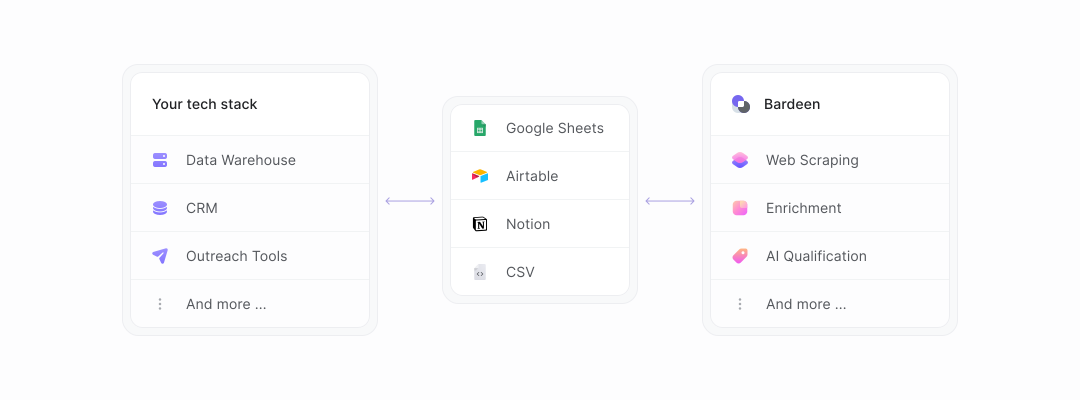
With our new Bardeen version, you can easily extract data from any website and discover new leads across the web. After extracting data from a website, use Bardeen’s powerful automation tools to validate and enrich your data, run additional scrapers on linked pages, or leverage AI to qualify leads and generate content automatically. Once your data is ready, you can easily export it to CSV, Google Sheets, Airtable, or Notion for further analysis and reporting.






SOC 2 Type II, GDPR and CASA Tier 2 and 3 certified — so you can automate with confidence at any scale.