Picture this: breezing through the repetitive stuff when SNAP selling. Is it even possible? With AI and automation tools, it sure is.
Best thing about it? Sellers can plug in seconds process automation curated to fit the SNAP framework. Or any other sales tactics they follow.
Wondering how you too can free up valuable time spent on mundane SNAP workflows? Here’s how to propel your sales with AI and automation technology.
You heard of the ‘frazzled customer syndrome’, right? It’s the term used to describe some of the trickiest customers out there. The ones who are chronically busy. Symptoms include: easily distracted, avoidant, and demanding.
Prospects in this category are strict with their time and shy away from added complexities. The SNAP method works because it strategically approaches reaching out to them.
In 2024? Honor the SNAP framework by moving faster with the power of sales workflow automation. Here are some ways to 5x some of the slower processes of the SNAP methodology.
Keep things simple by cutting out the long-winded noise and focusing on conversations that get right to the point. Specifically? Make the customer's life easier by anticipating their purchasing habits and adapting your pitch to fit.
Sellers know that tons of customers can be found on Facebook. And guess what? There’s an automation (or playbook) for that. This extraction workflow quickly scoops data from Facebook, cutting that research time way down.
It’s not just about the products you’re selling. Buyers want real solutions they can plug right into their day with ease. Tailor client outreach to showcase how your offer stands out from the rest. How can it improve their lives, specifically?
Just gather good intel on your customers and you’re halfway there. Generate answers to your burning questions by pairing with OpenAI. Or use one of our most popular automations to answer questions about websites, from Google Sheets:
While you’re at it, speed through the research process too. Did you know you can summarize website content with just one URL input?
Keep a pulse on customer targets, concerns, and timelines. Focus only on helping them reach that goal and don’t try to add or change things. Plan the pitch and sales cycle around their needs, while anticipating any concerns they might have along the way.
Here’s how we would do it.
The first step? Align with customer needs by simply enriching company data. Apollo.io pairs with Google Sheets to retrieve comprehensive info on a company, and this automation then saves it to a spreadsheet.
Take a good look at your list of prospects. Narrow down the key clients. Some questions to ask yourself:
Prioritize the prospects that have a higher percentage of converting and work your way down the list. If you’re constantly wondering who to focus on, it might help to explore predictive analytics. Such tools serve up intuitive prospect forecasts like a crystal ball.
By the way, what CRM do you fancy these days? If you find yourself still using Salesforce, this playbook is a great way to qualify existing leads quickly!
When creating the SNAP method, Jill Konrath highlighted three key decisions customers must make before you get that precious conversion. This is how you guide them through it.
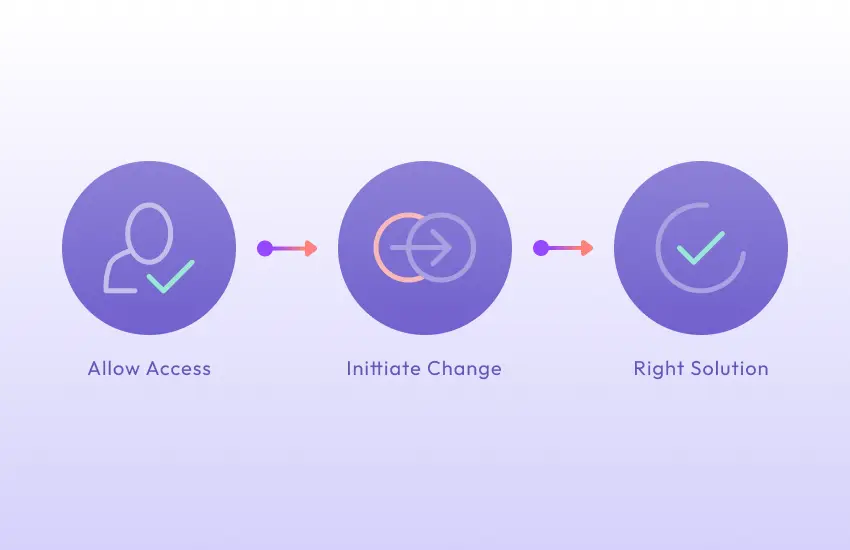
Prospects generally don’t want to talk to you, sellers have to earn that privilege. Guide your customer to that decision by:
Don’t just reach out to anyone who works at the company. Figure out who the decision-makers are. Make sure you don’t waste time talking to someone in the same department but without purchase decision.
Let’s speed up this process, shall we? Scrape the website data you’ll need for research with an extraction tool, then integrate it with your favorite apps.
There are loads of data-pulling tools out there to consider. Pay especially close attention to the top AI web scraping tools. Other sellers might not know about them, so you can get the upper hand. For now.
Jill Konrath, creator of SNAP provides a handy buyer’s matrix for sellers. It’s a guide that highlights what comprehensive info to look for. Once sellers gather enough data on the customer, it’s like they’re inside the prospect's head. This creates what the SNAP method calls a ‘mind meld’.
With the right person identified, sellers can use this workflow to create personalized outreach emails right from their LinkedIn profile:
When prospects respond to the seller's optimized outreach, they’re now in a space called the ‘Go Zone’. Conversely, if sellers discover that their outreach email was deleted or ignored, that sale becomes stagnant. This stalled position is referred to in SNAP as the D-Zone.
Frazzled customers can be reluctant to change how things already are. To reach the second decision, sellers should ensure their offerings are aligned with the customer's goals and concerns.
If you have a stubborn customer that doesn’t respond to outreach, you have fallen into the D-zone. They may be ignoring or deleting your emails! Want some help with that?
Save time brainstorming what to say. Use OpenAI to create smarter email drafts and get yourself out of the D-Zone.
Conversely, when prospects do respond to a seller’s optimized outreach, they’ve made it to the ‘Go-Zone’. This is the sweet spot for initiating change. Once they respond, it’s time to set some meetings up.
Get to know what makes the buyer tick! Pull data from LinkedIn company pages and save the results in a flash, just use the below automation. Once you’ve turned them open to change, it’s time to seal the deal.
The most exciting part! When customers reach the third decision, you’ve convinced them that your solution is the most effective, based on their unique situation and goals. Make sure you tailor the solution to the customer’s needs.
Before you can effectively pitch your customer, it's important to iron out a few things.
Getting to the third decision doesn’t just happen in one meeting. Usually, these things take 2-3 other interactions (or more) to get agreements in order.
Make sure you keep your meetings and notifications on track! Explore some popular Google Drive and Google Meet integrations to get that going.
A successful SNAP campaign looks different in each vertical. We’ll demonstrate a couple of industry-specific scenarios that would benefit from task automation software.
You’re a sales rep. for a project management software company targeting mid-sized tech companies.
Using SNAP methods, you discover the tech firm struggles with managing multiple projects at once. They don’t have a project management system in place!
With AI workflow automation you can uncover such pain points in minutes. Email them and emphasize the customizable task boards and automated reminders your product provides.
You’re pitching an electronic health record (EHR) software to a busy family practice.
SNAP tactics lead you to find out they’re burdened by outdated paper-based systems. Their files are stacked and there isn’t an easy way to locate specific information.
It’s time to customize your pitch accordingly. You use AI to highlight the crucial details. Emphasizing how your EHR solution could speed up admin tasks and improve care coordination when moving paper files to digital.
You sell POS systems to small businesses. A potential client is the owner of a local coffee shop who’s frustrated by their current system.
When probing the coffee shop owner during your last meeting, you use SNAP frameworks to gather info. You review the Zoom cloud meeting recordings and learn that their current POS system lags during peak business hours.
Writing the perfect pitch is easy when backed with customer data. The pitch tactfully highlights the speed and reliability of the POS system your company offers.
You’ll really seal the deal when showing an important CMS feature your product has: inventory management.
Automated SNAP selling workflows help sellers boost sales because operations are now:
Ditch the juggling act, get all our favorite app integrations in one place with Bardeen AI. Just download the Chrome extension. Our product is free forever and includes a 14-day trial of premium features.







SOC 2 Type II, GDPR and CASA Tier 2 and 3 certified — so you can automate with confidence at any scale.