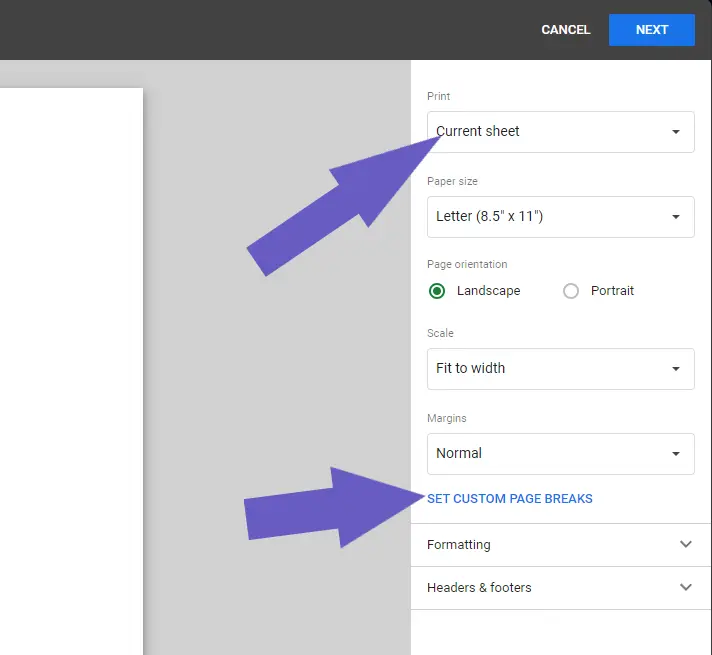
Ever noticed how your meticulously organized Google Sheets document looks a tad off when printed? Page breaks can be the unseen culprits disrupting your data's flow.
Fear not; customizing page breaks in Google Sheets is simpler than you might think, ensuring your data is as presentable on paper as it is on your screen.
Why fuss over page breaks? Well, for starters, it's about control—over how your information is sectioned, ensuring vital data doesn't awkwardly split across two pages. Whether it’s for a report, project plan, or your master spreadsheet of cherished recipes, setting page breaks right keeps things neat and professional.
Page breaks in Google Sheets help you control where your data splits when you print your document. This is especially useful when you want related data to stay together on one page, or for separating sections.
Google Sheets allows for custom page breaks, giving you flexibility in how you present your data. Here’s all you need to know about inserting, removing, or fixing issues with your Google spreadsheet page breaks.
And since you’re about to nail those page breaks in Google Sheets, why not consider automation? Try Bardeen for swift AI and workflow improvement solutions.
A Google Sheets page break is your secret weapon for making sure your printed documents look exactly how you want. Think of them as your assistant, helping to keep all your related data cozily together on one page, or acting as a polite bouncer, ensuring different sections don’t crash where they shouldn’t.
With Google Sheets, you’re in control, able to place these page breaks wherever you fancy, guaranteeing your data not only works hard but also looks good doing it.
1. Open your Sheet: Start with the basics. Dive into your Google Sheets document.
2. Print Preview: Navigate to 'File' > 'Print' to see how your current setup looks.
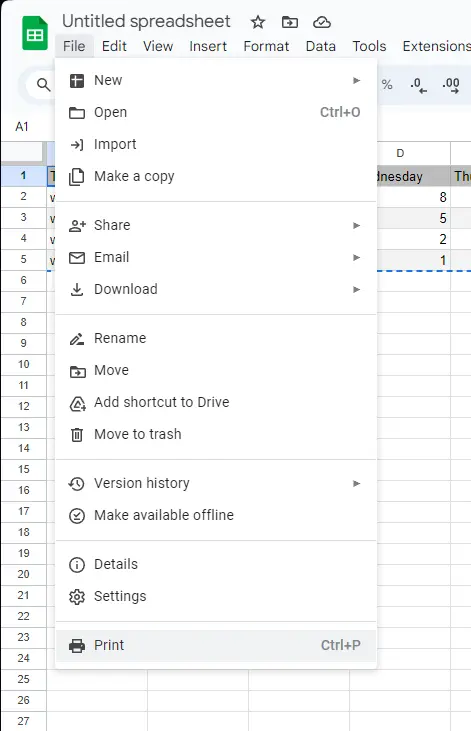
3. Adjusting Breaks: Notice something off? It's tweaking time. Enter the print setup, and you'll find options to adjust those page breaks.
4. Drag & Drop: Here's the fun part. Google Sheets allows you to move page breaks around. Simply drag them to suit your document's needs.
5. Print it Right: With breaks set, print a test page. Perfect? You're all set. If not, a little more tweaking won’t hurt.
6. Save for Later: Don’t forget to save these settings for future printing peace of mind.
And voilà! You’re now a maestro of managing page breaks in Google Sheets, ensuring your documents look just as intended when they make the leap from digital to paper. Remember, a well-presented document speaks volumes about the care you put into your work. And if you choose to automate Google Sheets tasks, you’ll enhance productivity and output. Happy printing!
Got a page break in Google Sheets that's overstaying its welcome? No sweat, you can show it the door with a few clicks.
This nifty trick gives you the superpower to tweak your document's look for printing, letting you add or drop page breaks wherever you see fit. So now you can nicely showcase that data you exported from Notion to Google Sheets.
If your Google Sheets isn't letting you set those custom page breaks, here's a quick fix:
Sorting these out, you'll be setting your page breaks like a pro in no time!









SOC 2 Type II, GDPR and CASA Tier 2 and 3 certified — so you can automate with confidence at any scale.