Web scraping is a powerful tool for extracting data from websites, but it often comes with the challenge of avoiding detection and being blocked. To successfully scrape data without interruptions, you need to employ effective strategies that can bypass anti-scraping measures. In this blog post, we'll explore 20 proven techniques to help you scrape websites efficiently while minimizing the risk of getting blocked.
To successfully scrape data without getting blocked, it's crucial to mimic human behavior. This involves varying request intervals and using realistic headers to avoid detection.
Some key strategies include:
Parsing dynamically generated content can also pose challenges due to AJAX calls and delayed loading. Advanced techniques like headless browsers and JavaScript rendering can help overcome these obstacles.
By integrating these methods, you can navigate complex website structures and extract data more effectively while minimizing the risk of being blocked.
Rotating proxies play a crucial role in maintaining the anonymity of web scraping bots. By constantly switching IP addresses, you can avoid detection and prevent your scraper from getting blocked.
Different types of proxies offer unique advantages:
When choosing a proxy service for scraping, consider factors like:
By strategically utilizing the right type of proxies and optimizing their use, you can ensure uninterrupted scraping and gather data more efficiently.
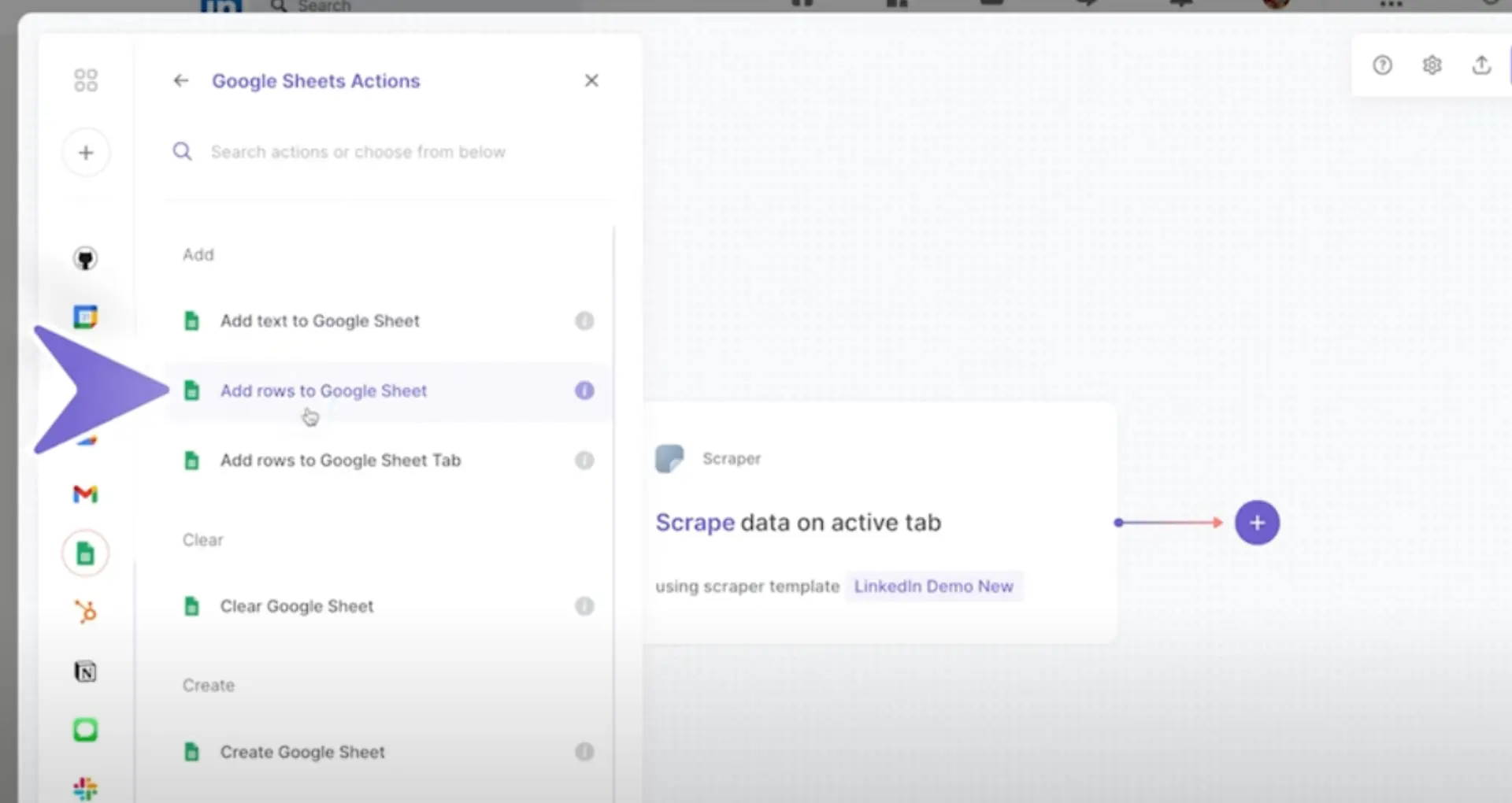
Bardeen's scraper integration can save you time and handle repetitive tasks. Automate scraping processes with just a few clicks, no coding needed.
Browser fingerprinting is a method used by websites to identify and track web clients by collecting specific data points from devices, HTTP connections, and software features. This digital fingerprint is unique to each user, making it a powerful tool for detecting and blocking web scrapers.
To make a scraper's fingerprint less detectable, you can:
Antidetect browsers and plugins can help modify HTTP request headers and JavaScript environment variables to prevent tracking. These tools make the scraper's fingerprint appear more like a genuine user.
However, websites constantly evolve their fingerprinting techniques, so even antidetect solutions may get flagged eventually. Using a specialized web scraping API that handles browser fingerprinting can provide a more reliable and hands-off approach to bypassing these anti-bot measures.
Web scraping operates within a complex legal landscape that varies by country and jurisdiction. It's crucial to ensure compliance with relevant laws and regulations to avoid potential legal issues when scraping websites.
In the U.S., the Computer Fraud and Abuse Act (CFAA) is a key law that governs unauthorized access to computer systems. Courts have held that scraping publicly available data does not violate the CFAA. However, scraping non-public data, circumventing access restrictions, or continuing to scrape after receiving a cease and desist letter could be considered unauthorized access.
From an ethical standpoint, web scrapers should respect a website's terms of service and robots.txt file. These often outline the website's rules around automated access and data collection. Ignoring them could be seen as unethical, even if not always illegal.
Privacy laws like the GDPR in Europe add another layer of legal considerations when scraping personal data from websites. Under GDPR, scrapers need a valid legal basis to collect and process personal information from EU residents. Failing to comply risks severe penalties.
Best practices for staying on the right side of the law and ethics include:
Ultimately, web scrapers should strive to collect data responsibly and for legitimate purposes. Consulting with legal counsel can help navigate this complex landscape and mitigate risks.
Bardeen's scraper integration can save you time and handle repetitive tasks. Automate scraping processes with just a few clicks, no coding needed.








SOC 2 Type II, GDPR and CASA Tier 2 and 3 certified — so you can automate with confidence at any scale.