If you're downloading images and charts, you might love Bardeen's automation for Google Sheets. It saves time by automating repetitive tasks.
Downloading images and charts from Google Sheets doesn't have to be a hassle. In this step-by-step guide, we'll show you simple techniques to save images directly from your spreadsheets, extract embedded images from cells, and convert charts and graphs into downloadable formats. By the end, you'll be able to manage and download your visual content in Google Sheets with ease.
Introduction
Google Sheets is a powerful tool for organizing and visualizing data, but downloading images and charts from your spreadsheets can sometimes be tricky. Whether you need to save images for presentations, reports, or other purposes, having a clear understanding of the various methods available can save you time and frustration. In this step-by-step guide, we'll explore:
Simple techniques to download images directly from Google Sheets
How to extract embedded images from cells while preserving quality and placement
Converting charts and graphs into downloadable image or PDF formats
Best practices for managing images and charts within your spreadsheets
Troubleshooting common issues that may arise during the download process
By the end of this guide, you'll be equipped with the knowledge and skills needed to easily download images and charts from Google Sheets, bringing AI into your spreadsheet, streamlining your workflow and enhancing your productivity.
Simple Techniques to Download Images from Google Sheets
Downloading images directly from Google Sheets is a straightforward process that can be accomplished using built-in browser functionalities. Here's how to save images swiftly:
Select the image you want to download by clicking on it.
Hold down the Shift key on your keyboard.
Right-click on the selected image.
Choose the option "Save image as..." from the context menu that appears.
Select the desired location on your computer to save the image and click "Save".
This method works well for images that are not embedded within cells. It's a quick and easy way to download images without the need for additional tools or software, making it accessible for various purposes such as presentations or reports.
Save time and automate tasks in Google Sheets with Bardeen. Connect Google Sheets to other apps and supercharge your workflow.
Extracting Embedded Images from Cells in Google Sheets
When dealing with images embedded within Google Sheets cells, a slightly different approach is required to download them. Here's how to handle this situation:
Right-click on the cell containing the embedded image.
From the Image submenu, select 'Put Image Over Cells'.
Now, hold down the Shift key, right-click the image, and choose 'Save image as...'.
Select the desired location on your computer to save the image and click "Save".
This method facilitates the download process by temporarily placing the image over the cells, allowing you to save it using the standard browser functionality. It preserves the quality and placement of the embedded image, ensuring that you obtain the original file without any loss of resolution.
After saving the image, you can reverse the process by right-clicking the image and selecting 'Put Image In Cell' to restore its original position within the sheet if needed. For more advanced image handling, you might want to integrate Google Drive with other apps.
Downloading Charts and Graphs as Images or PDFs
Google Sheets provides a convenient way to convert charts and graphs into downloadable image or PDF formats. Here's how to do it:
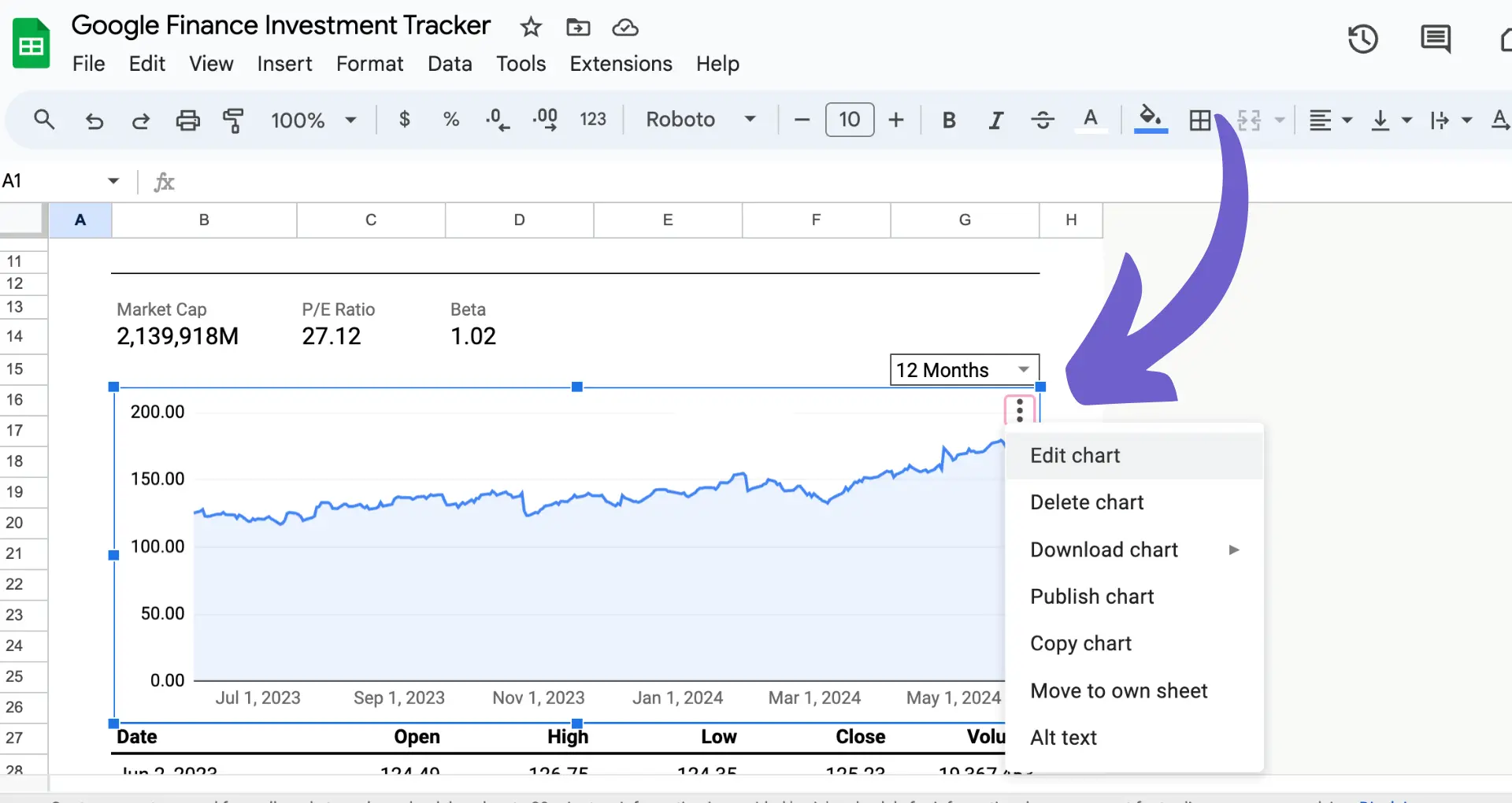
Open your Google Sheets spreadsheet and click on the chart or graph you want to download.
In the top right corner of the chart, click the three-dot menu icon (More options).
From the dropdown menu, select "Download".
Choose your preferred file format: PNG, JPEG, PDF, or SVG.
Click "Download" to save the file to your computer.
Using the built-in "Download" option within the chart editor is crucial for maintaining the quality and resolution of your charts and graphs. This method ensures that the exported file accurately represents the original visualization created in Google Sheets.
Alternatively, you can use the "Publish chart" option to generate a shareable link or embed code for your chart, allowing you to integrate it into Google Docs or other documents without downloading the file.
Best Practices for Managing Images and Charts in Google Sheets
Organizing your images and charts in Google Sheets is essential for efficient workflow and easy access. Here are some best practices to follow:
Create dedicated folders within your Google Drive for storing images and charts. This helps keep your files organized and makes it easier to locate specific visuals when needed.
Use descriptive naming conventions for your image and chart files. Include relevant keywords, dates, or project names to make searching and sorting more effective.
When inserting images or charts into your Google Sheets, consider placing them in separate sheets or tabs. This keeps your data and visuals separate, making your spreadsheet more organized and easier to navigate.
Utilize the "Image in cell" feature for images that directly relate to specific data points. This keeps the image context-relevant and makes it easier to understand the relationship between the data and the visual.
For charts and graphs, use the "Put image over cells" option to place them in strategic locations within your spreadsheet. This allows for better visual flow and makes it easier to reference the chart while working with the data.
By implementing these file organization tips and naming conventions, you can streamline your workflow and save time in the long run.
Troubleshooting Common Issues with Image Downloads in Google Sheets
While downloading images and charts from Google Sheets is generally a straightforward process, users may occasionally encounter issues. Here are some common problems and their solutions:
Browser compatibility: Some browsers may have trouble downloading images or charts from Google Sheets. If you experience this issue, try using a different browser, such as Google Chrome or Mozilla Firefox, which have better compatibility with Google Sheets.
Image resolution: When downloading images, you may find that the resolution is lower than expected. To ensure high-quality downloads, make sure the original image uploaded to Google Sheets is of sufficient resolution. If the issue persists, try using the "Download" option within the image viewer rather than right-clicking and saving.
Broken image links: If you're using image URLs in your Google Sheets and the images are not displaying correctly, the links may be broken. Double-check the image URLs and ensure they are still valid and accessible. If you're using images from Google Drive, make sure the sharing permissions are set correctly.
File format issues: When downloading charts as images, you may encounter issues with the file format. To resolve this, try downloading the chart in a different format, such as PNG or PDF, which are more universally compatible. If you continue to face issues, consider using web scraper extensions to manage your data.
If you continue to face problems downloading images or charts from Google Sheets, try clearing your browser cache and cookies, or reach out to Google Support for further assistance.
SOC 2 Type II, GDPR and CASA Tier 2 and 3 certified — so you can automate with confidence at any scale.
Frequently asked questions
What is Bardeen?
Bardeen is an automation and workflow platform designed to help GTM teams eliminate manual tasks and streamline processes. It connects and integrates with your favorite tools, enabling you to automate repetitive workflows, manage data across systems, and enhance collaboration.
What tools does Bardeen replace for me?
Bardeen acts as a bridge to enhance and automate workflows. It can reduce your reliance on tools focused on data entry and CRM updating, lead generation and outreach, reporting and analytics, and communication and follow-ups.
Who benefits the most from using Bardeen?
Bardeen is ideal for GTM teams across various roles including Sales (SDRs, AEs), Customer Success (CSMs), Revenue Operations, Sales Engineering, and Sales Leadership.
How does Bardeen integrate with existing tools and systems?
Bardeen integrates broadly with CRMs, communication platforms, lead generation tools, project and task management tools, and customer success tools. These integrations connect workflows and ensure data flows smoothly across systems.
What are common use cases I can accomplish with Bardeen?
Bardeen supports a wide variety of use cases across different teams, such as:
Sales: Automating lead discovery, enrichment and outreach sequences. Tracking account activity and nurturing target accounts.
Customer Success: Preparing for customer meetings, analyzing engagement metrics, and managing renewals.
Revenue Operations: Monitoring lead status, ensuring data accuracy, and generating detailed activity summaries.
Sales Leadership: Creating competitive analysis reports, monitoring pipeline health, and generating daily/weekly team performance summaries.