Symbols are essential for adding clarity and visual appeal to your Google Sheets data. While Google Sheets doesn't have a dedicated symbol menu like Microsoft Excel, there are several easy methods to insert symbols. In this guide, we'll show you how to use the CHAR function, copy symbols from external sources, and utilize add-ons to enhance your spreadsheets with symbols.
Symbols play a crucial role in enhancing data clarity and visual representation in spreadsheets. They help to convey information more effectively and make your data stand out. While Google Sheets doesn't offer a direct menu for inserting symbols like Microsoft Excel, there are several workarounds to add these useful elements to your sheets.
Here are a few reasons why symbols are important in Google Sheets:
In the following sections, we'll explore various methods to insert symbols in Google Sheets, including using the CHAR function, copying from external sources, and leveraging add-ons. By the end of this guide, you'll be equipped with the knowledge to bring AI into your spreadsheet and enhance your Google Sheets with symbols effortlessly.
Bardeen can help automate the process of extracting useful data from various sources and saving it directly to a Google Sheet, eliminating manual copy-pasting. Try these playbooks to streamline your data collection:
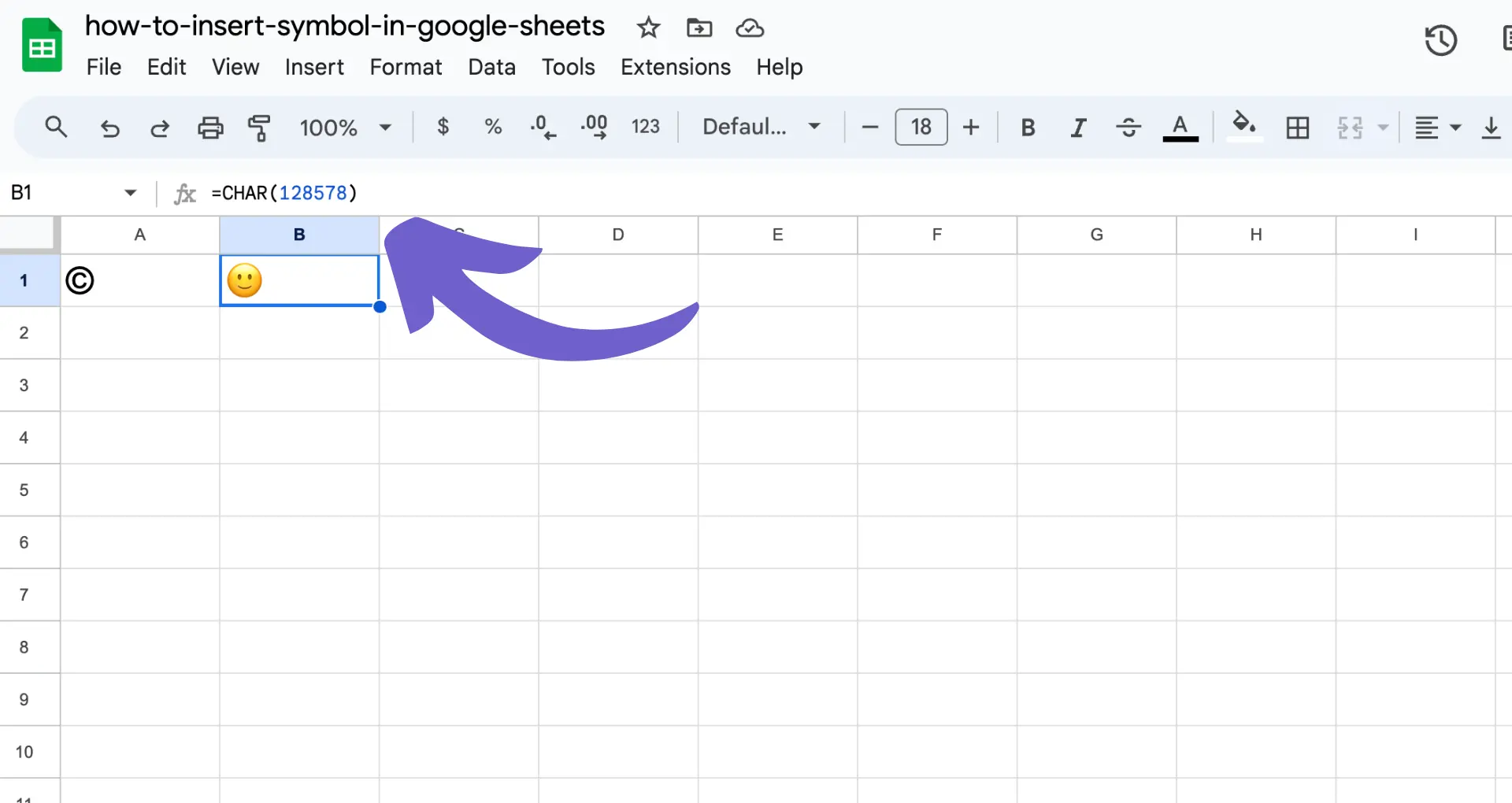
The CHAR function in Google Sheets is a powerful tool for inserting specific symbols into your spreadsheet. It converts a number into a special character according to the current Unicode table. Here's how to use it:
=CHAR() into a cell.For example, to insert a smiley face emoji, you would use =CHAR(128578)Some other commonly used symbols include:
=CHAR(169)=CHAR(174)=CHAR(176)=CHAR(8212)Keep in mind that not all Unicode characters will display properly on all devices. Special fonts or languages may need to be installed for certain symbols to appear correctly. If you are working on data from LinkedIn, you can enrich LinkedIn profiles in Google Sheets to automate the process.
Bardeen can help you automate data enrichment tasks in Google Sheets, saving you time and effort. Try these playbooks to pull in additional context for your existing data:
Save time and reduce manual work with our automation tools for Google Sheets and LinkedIn. Focus on important tasks while Bardeen handles data updates for you.

Another easy way to insert symbols into your Google Sheets is by copying them from external sources like web pages or documents. Here's how:
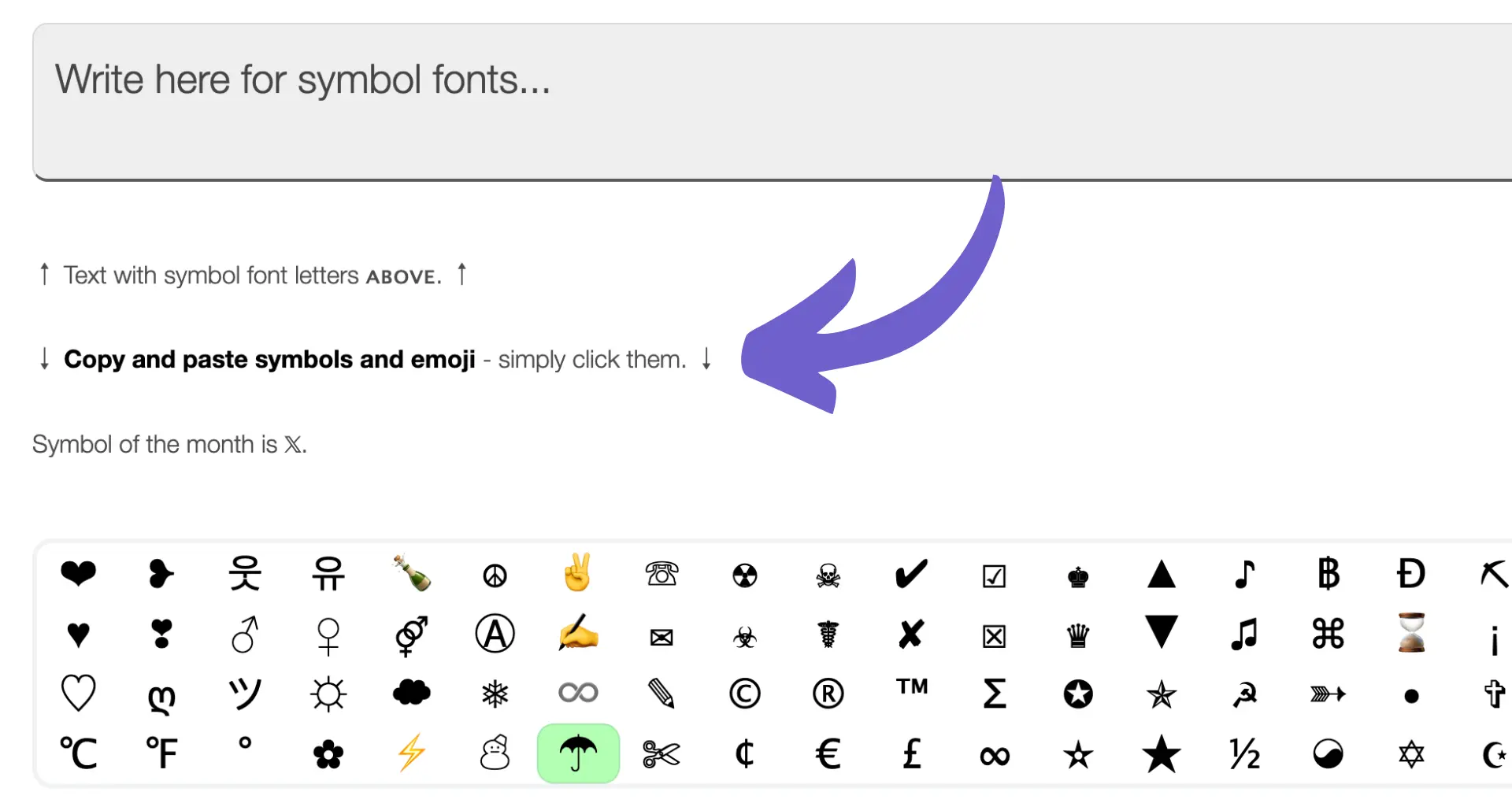
Most symbols copied from external sources will be compatible with Google Sheets. However, keep in mind that some symbols may not display correctly if they are not supported by the default font in Google Sheets. In such cases, you may need to change the font of the cell to ensure the symbol appears as intended.
Additionally, be aware that copying and pasting symbols from external sources may sometimes bring along unwanted formatting, such as different font sizes or colors. To avoid this, you can use the "Paste values only" option by right-clicking on the cell and selecting "Paste special" > "Paste values only".
Bardeen can help automate copying text from various sources into Google Sheets while handling formatting. Set up workflows to copy text with a right-click and have it automatically pasted into a Google Sheet in a standardized format:
For more advanced automation, you can scrape data from websites efficiently.
If you find yourself frequently needing to insert special characters and symbols into your Google Sheets, consider using a third-party app or add-on to streamline the process. These tools can save you time and effort by providing a user-friendly interface for quickly finding and inserting the symbols you need.
One popular add-on is "Insert Special Characters" by Sheets Help. This add-on allows you to easily insert symbols, emojis, and other special characters into your spreadsheet with just a few clicks. Here's how to install and use it:
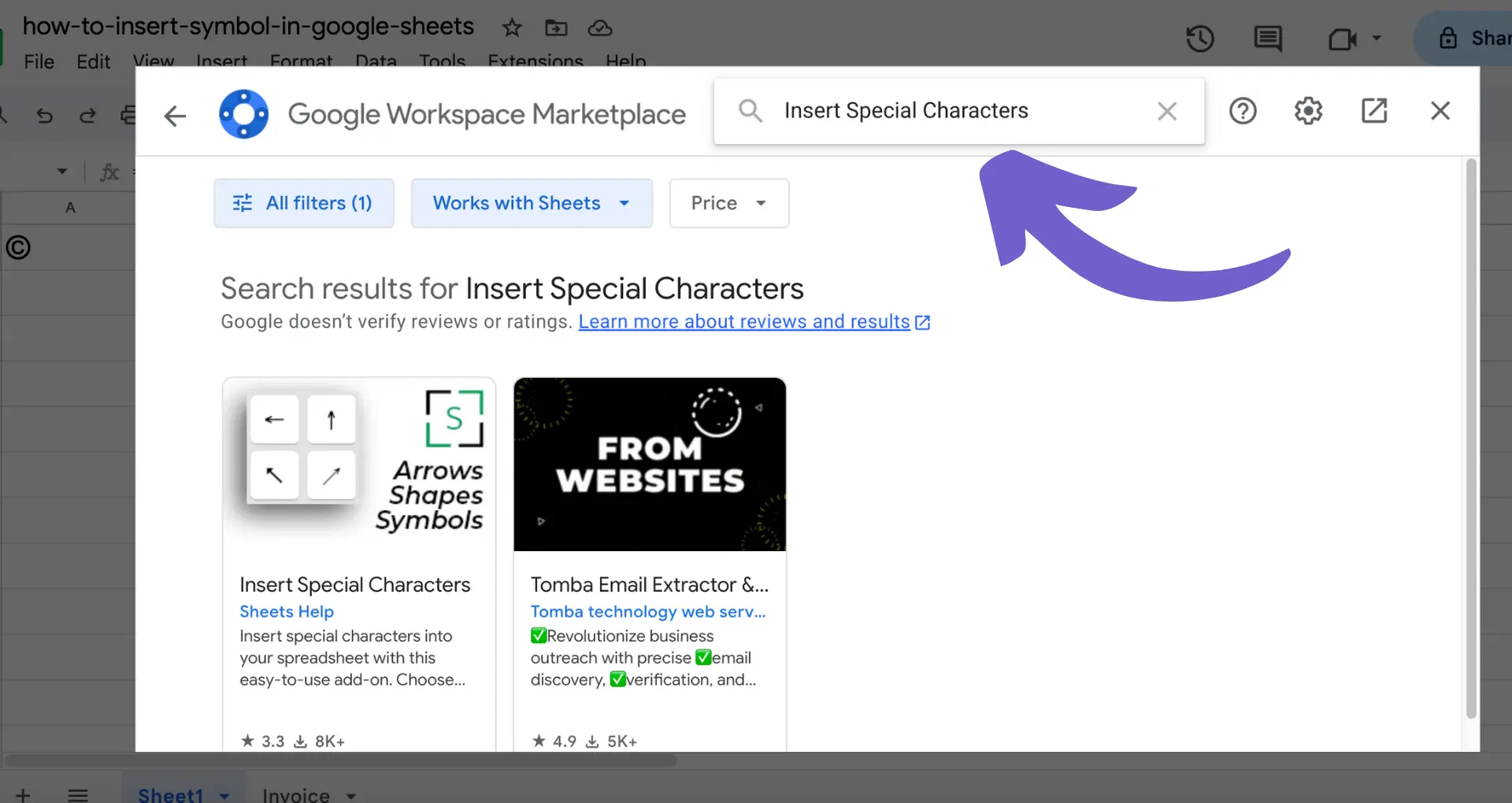
Other popular add-ons for inserting symbols include "Special Characters" and "Unicode Tools". Explore the Google Workspace Marketplace to find the add-on that best suits your needs and integrate with web scraping tools for enhanced functionality.
Bardeen can help automate workflows that involve getting data into Google Sheets, eliminating manual copy/pasting and data entry. Try these playbooks to extract key information from various websites and save it directly to a Google Sheet:
Save time by using Bardeen to connect Google Docs and automate repetitive tasks in your workflows.
Incorporating symbols into custom formulas and conditional formatting rules can take your Google Sheets to the next level. By using symbols strategically, you can create dynamic cell formatting that visually represents data trends or thresholds, making your spreadsheet more intuitive and easier to interpret.
To use symbols in formulas, you can combine the CHAR function with other functions like IF, AND, or OR. For example, to display a checkmark (✓) in a cell when a condition is met, you can use a formula like this:
=IF(A1>100,CHAR(10003),"")
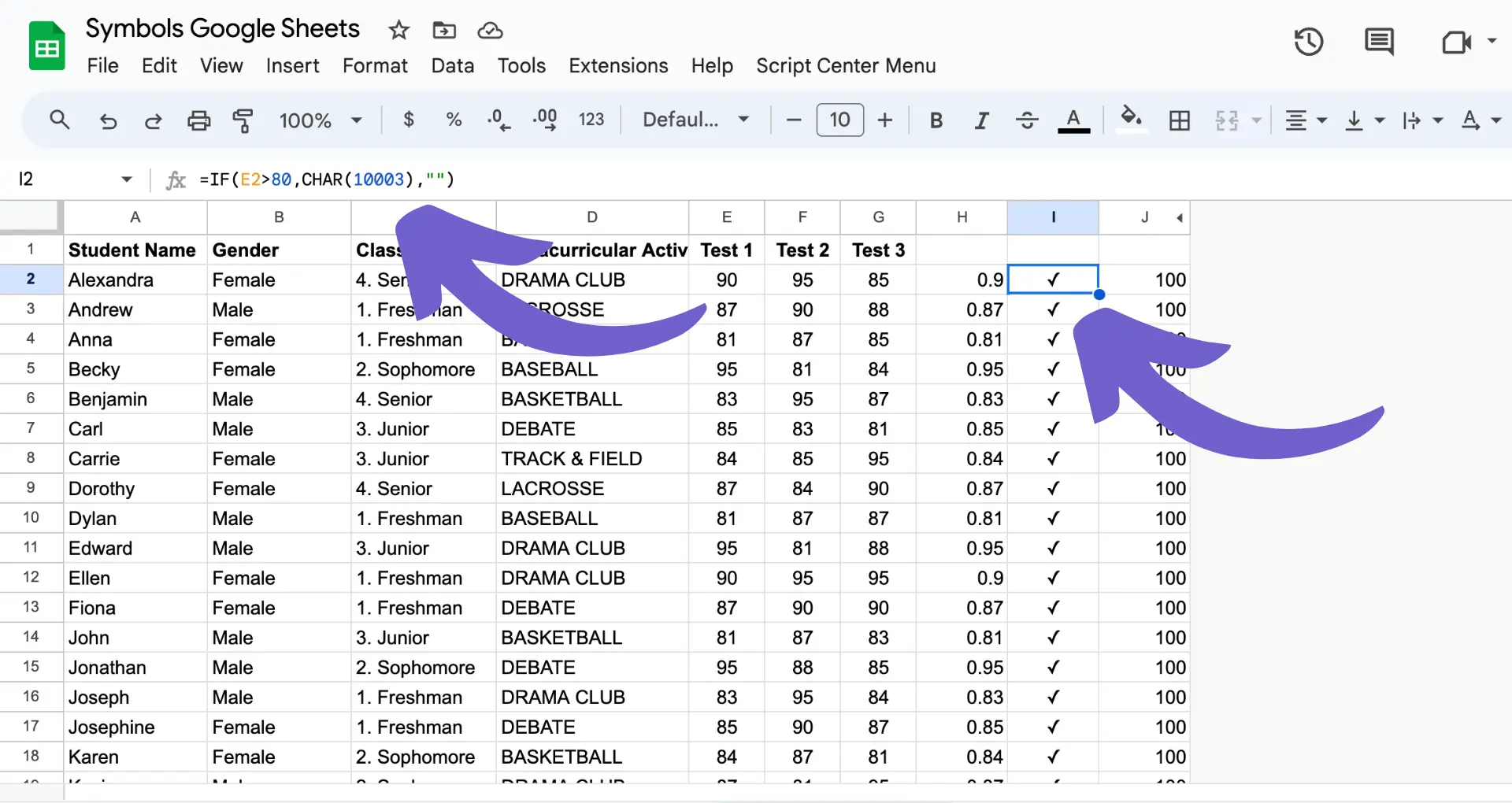
This formula checks if the value in cell A1 is greater than 100. If true, it displays a checkmark using the CHAR function with the Unicode 10003. If false, it displays an empty string.
Similarly, you can use symbols in conditional formatting rules to highlight cells that meet specific criteria. To do this:
=AND(A1>100,A1This rule will apply formatting to cells in the selected range where the value is between 100 and 500. You can then customize the formatting to include a symbol, like a star (★) or an arrow (↑), to visually indicate the cells that meet the criteria.
To save time and add more functionality, consider how you can connect Microsoft Excel with your Google Sheets.
By leveraging symbols in formulas and conditional formatting, you can create powerful, dynamic visual cues that make your data more accessible and actionable.










SOC 2 Type II, GDPR and CASA Tier 2 and 3 certified — so you can automate with confidence at any scale.


-p-500%201.svg)