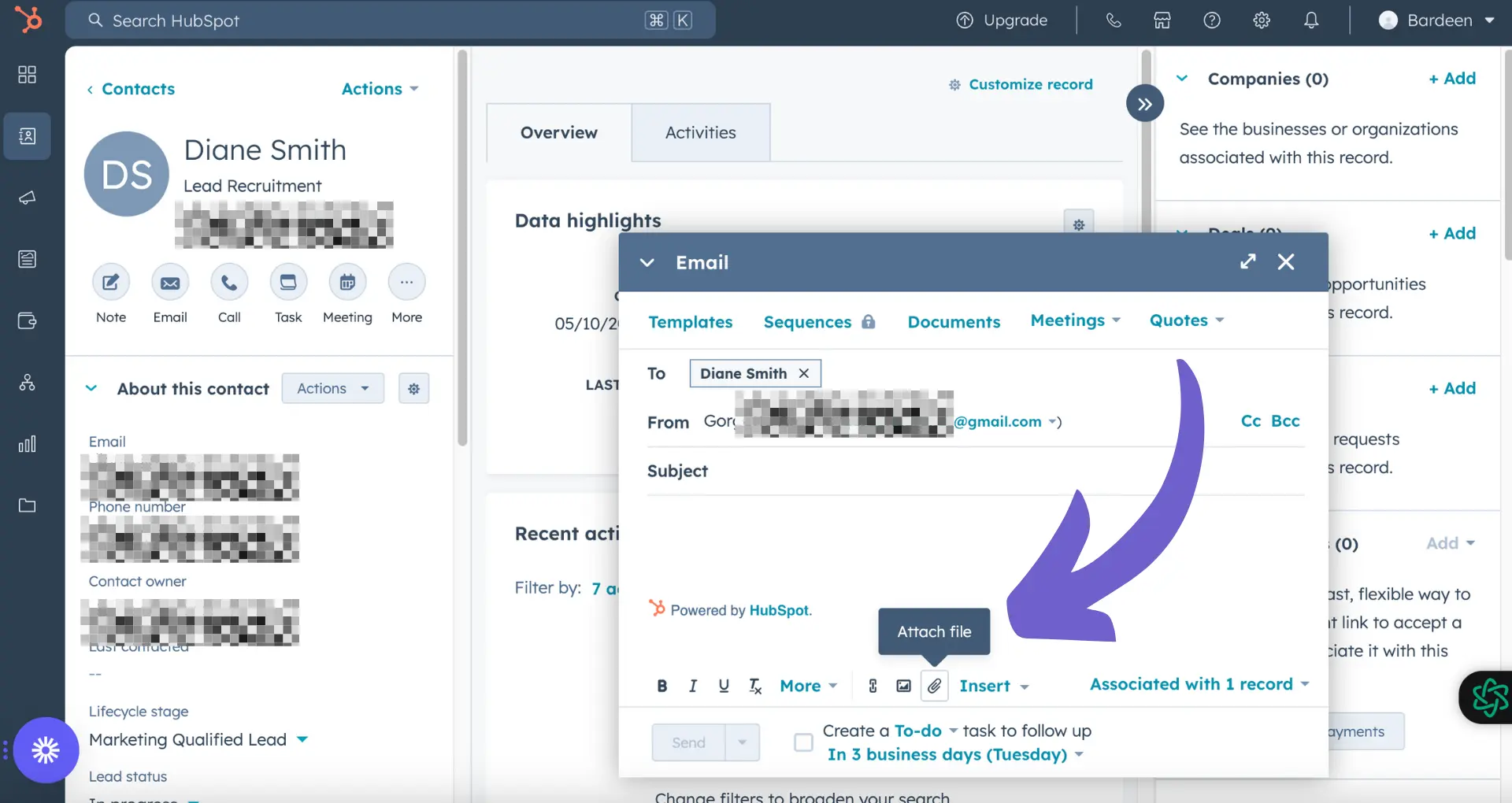
Adding attachments to your HubSpot emails can be a straightforward process, but it's essential to understand the nuances of different email types and attachment permissions. In this step-by-step guide, we'll walk you through the process of attaching files to both one-to-one and marketing emails in HubSpot, as well as best practices for managing and organizing your attachments. By the end of this guide, you'll be equipped with the knowledge and skills to effectively utilize HubSpot's email attachment features and optimize your email performance.

HubSpot offers a range of options for adding attachments to your emails, each with its own set of considerations. When deciding how to include attachments, it's essential to understand the difference between attaching files directly and using links:
Another crucial aspect of working with attachments in HubSpot is understanding the permissions and visibility settings based on user roles and teams. HubSpot's permission system ensures that only authorized users can access and modify attachments, maintaining the security and integrity of your email communications.
To dive deeper into the specifics of attachment permissions, consult the HubSpot Knowledge Base, which provides detailed information on configuring and managing attachment access based on your organization's needs.
HubSpot provides multiple ways to add attachments to your emails, depending on the type of email you're sending:

By leveraging the HubSpot Community and support pages, you can find additional best practices and tips for effectively managing files and attachments in your email communications. These resources offer valuable insights from experienced HubSpot users and experts.
Reduce manual work and save attachments into a Dropbox folder with one click. Use our workflow automation tool.
Remember, when attaching files directly to emails sent from the CRM, it's crucial to consider the attachment permissions and visibility settings to ensure that only intended recipients can access the files.
HubSpot offers different methods for attaching files to your emails, depending on the email type:
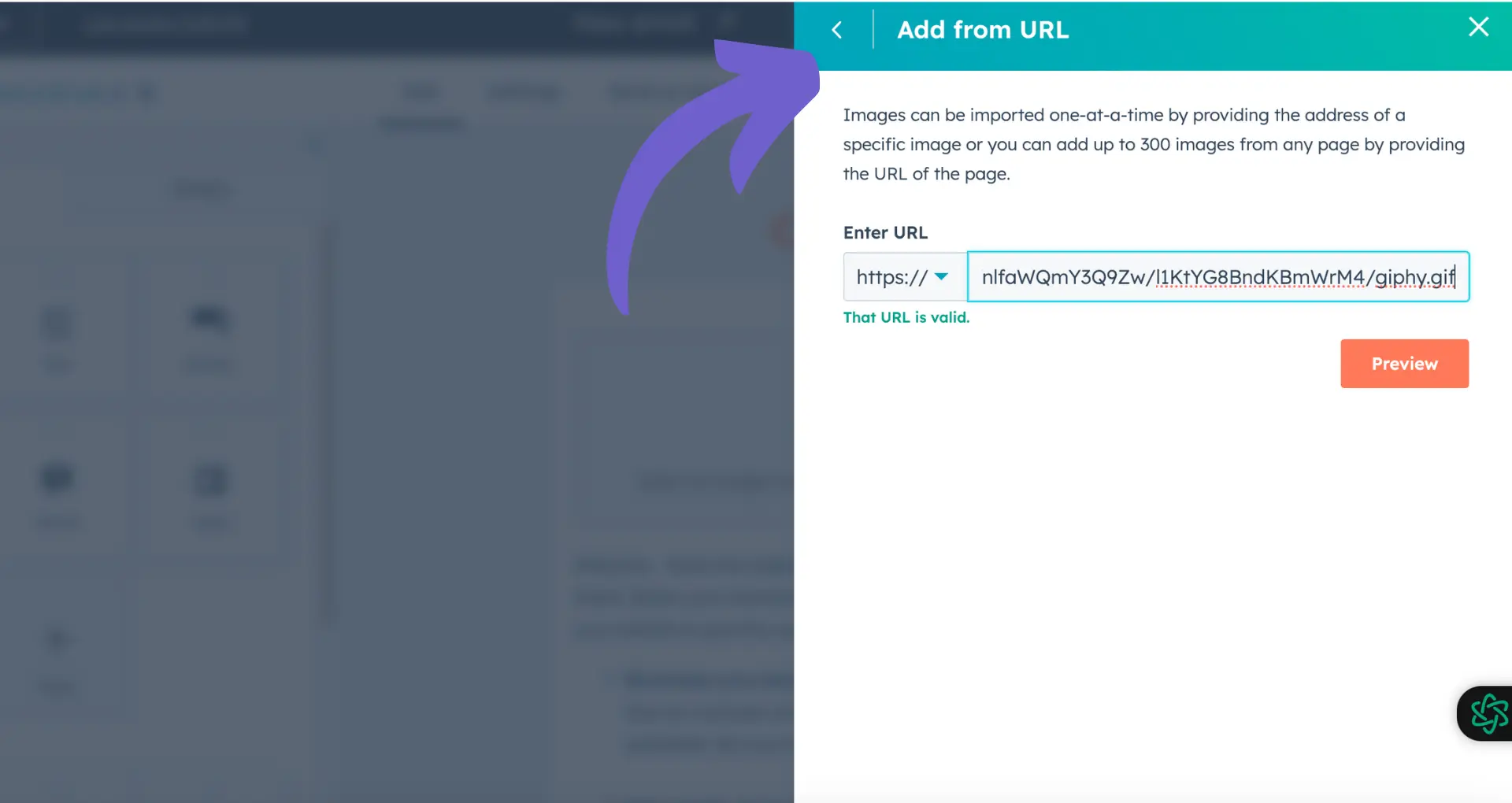
To add an attachment to a one-to-one sales email:
For best practices and insights on managing files and attachments in HubSpot, consult the HubSpot Community and support pages. These resources provide valuable tips from experienced users and HubSpot experts to help you effectively utilize HubSpot's file management and attachment features.
HubSpot provides a range of tools to effectively manage your email attachments, ensuring they are organized, accessible, and optimized for the best user experience.
Some key features for managing attachments include:
Organizing your attachments is crucial for improving accessibility and efficiency. By using descriptive names and leveraging HubSpot's filtering options, you can quickly find the files you need without wasting time searching through a disorganized list.
Well-managed attachments also contribute to better email performance and user experience. When attachments are properly named and organized, recipients can easily identify and access the files they need, leading to a more positive interaction with your emails.
By taking advantage of HubSpot's attachment management features and following best practices for organization, you can streamline your email workflow and ensure that your attachments are working effectively to support your communication goals.
Automate your attachment tasks and save time. Use our workflow automation tool.








SOC 2 Type II, GDPR and CASA Tier 2 and 3 certified — so you can automate with confidence at any scale.