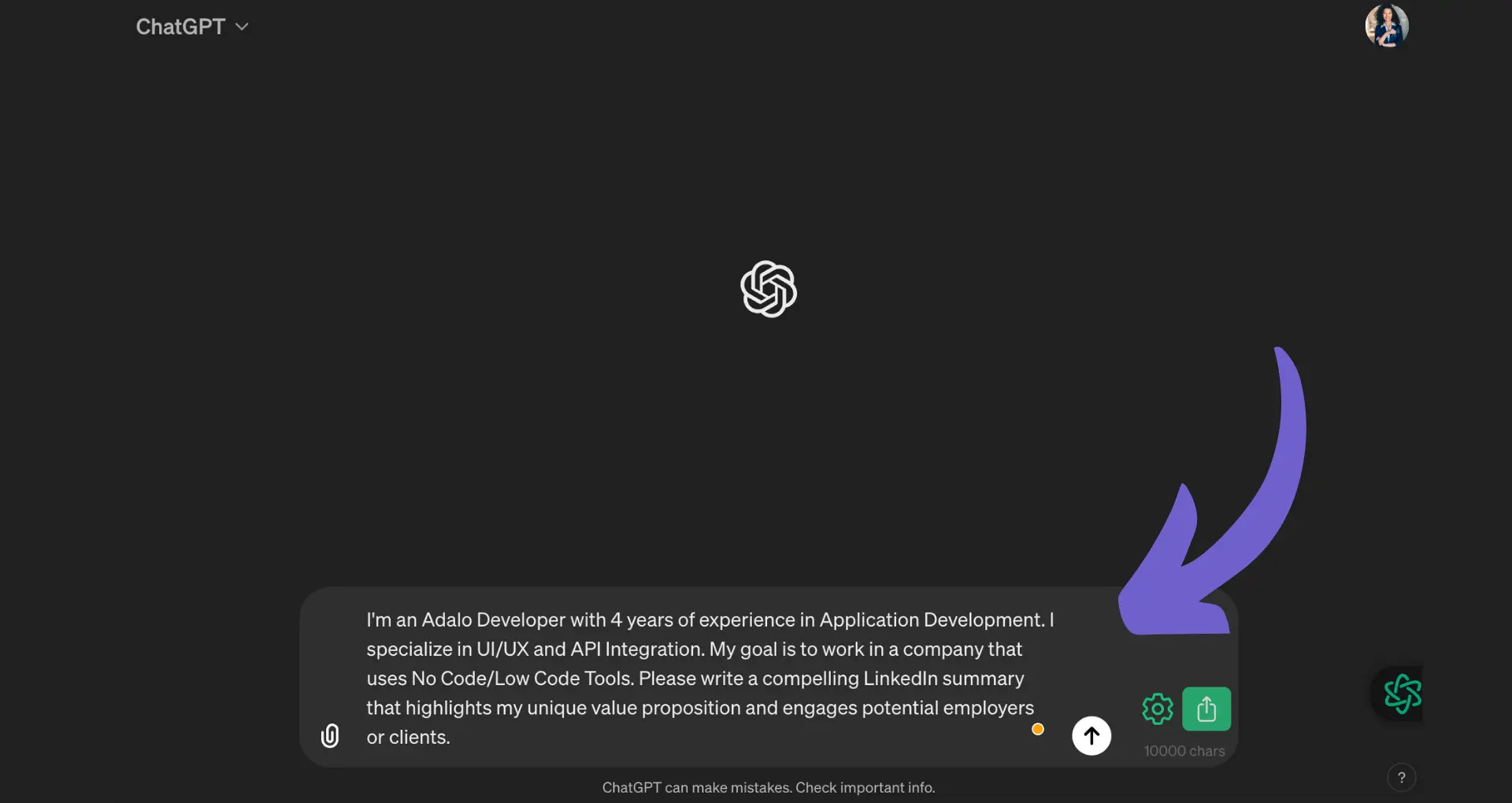
Since you're interested in LinkedIn responses, check out our AI Message Generator. It can help you craft personalized and effective responses quickly.
Receiving a message from a LinkedIn recruiter can be an exciting opportunity, but it's essential to respond professionally and strategically. By crafting a well-thought-out reply, you can make a great first impression and potentially open doors to new career opportunities. In this post, we'll share 5 effective strategies for responding to LinkedIn recruiters, including tips for evaluating job offers, expressing interest, and keeping the lines of communication open for future possibilities.
Crafting a Professional Response to LinkedIn Recruiter Messages
When a LinkedIn recruiter reaches out to you, it's crucial to respond professionally to make a positive first impression. Your response should convey gratitude for their interest, provide clarity on your current career status, and express your level of interest in the opportunity they presented.
Here are key elements to include in your reply:
Thank the recruiter for contacting you and considering you for the position
Clearly state your current professional situation (e.g., actively seeking a new role, open to opportunities, or content in your current position)
Express your level of interest in the specific job opportunity they mentioned
If interested, request additional details about the role and company to better assess your fit
If not interested, politely explain why and keep the door open for future relevant opportunities
Remember, even if this particular opportunity isn't right for you, maintaining a courteous and professional tone can lead to valuable connections and potential job prospects down the line. Consider using AI to generate emails to make your communication more effective. Always aim to leave a positive impression and strengthen your professional network.
Evaluating and Responding to Job Opportunities
When a recruiter presents you with a job opportunity, take the time to carefully assess if it aligns with your career goals and aspirations. Consider factors such as the company culture, job responsibilities, growth potential, and compensation package.
Follow these steps to evaluate the opportunity:
Review the job description and requirements to determine if your skills and experience are a good match
If you determine that the job opportunity is a strong match, craft an enthusiastic response to the recruiter. Express your excitement about the role and the company, and highlight a few key reasons why you believe you'd be a great fit.
In your response, also suggest next steps to further discuss the opportunity, such as:
Scheduling a phone call or video chat to learn more about the role and company
Providing additional information about your qualifications and experience
Inquiring about the hiring timeline and next steps in the interview process
By showing enthusiasm and proactively suggesting next steps, you demonstrate your strong interest in the role and help move the conversation forward.
Keeping the Door Open for Future Opportunities
Even if a job opportunity presented by a recruiter isn't the right fit for you at the moment, it's essential to maintain a positive relationship for potential future opportunities. When declining a current job offer, be polite, professional, and express your gratitude for their consideration.
Consider using language such as:
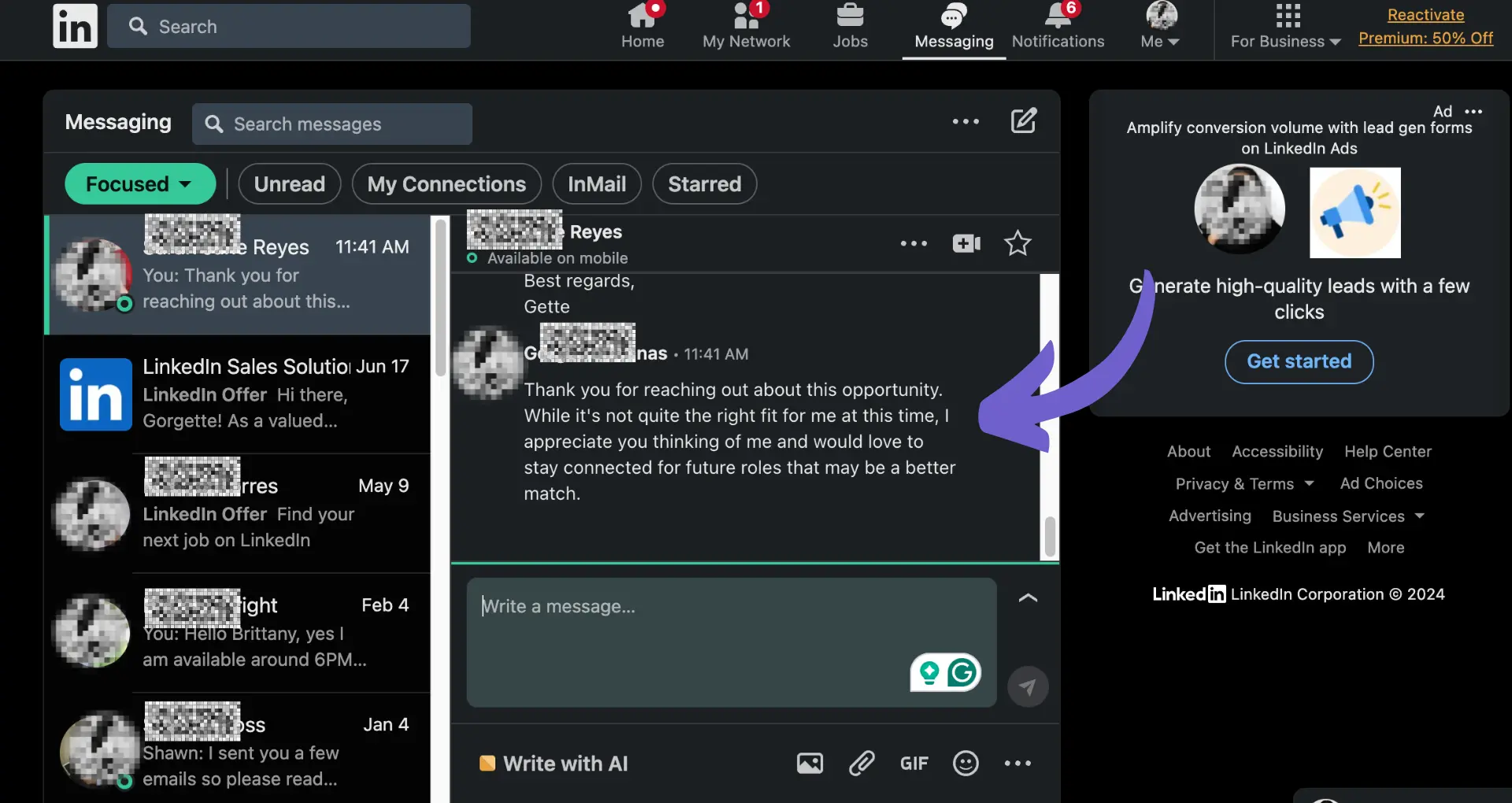
"Thank you for reaching out about this opportunity. While it's not quite the right fit for me at this time, I appreciate you thinking of me and would love to stay connected for future roles that may be a better match."
"I'm grateful for your time and consideration regarding this position. Although I don't believe it aligns with my career goals currently, I'm still very interested in working with [Company Name] and would be open to exploring other opportunities that may arise."
To keep the lines of communication open and foster a strong relationship with the recruiter, consider these strategies:
Express your interest in the company and inquire about future job openings that may be a better fit
Ask the recruiter if they would be willing to provide feedback on your LinkedIn profile or resume to help you better align with the company's needs and expectations
Share relevant industry articles, news, or insights to demonstrate your expertise and commitment to professional growth
By gracefully declining while expressing your interest in future opportunities, you leave a positive impression and increase the likelihood of the recruiter considering you for upcoming roles that better suit your skills and career aspirations.

SOC 2 Type II, GDPR and CASA Tier 2 and 3 certified — so you can automate with confidence at any scale.
Frequently asked questions
What is Bardeen?
Bardeen is an automation and workflow platform designed to help GTM teams eliminate manual tasks and streamline processes. It connects and integrates with your favorite tools, enabling you to automate repetitive workflows, manage data across systems, and enhance collaboration.
What tools does Bardeen replace for me?
Bardeen acts as a bridge to enhance and automate workflows. It can reduce your reliance on tools focused on data entry and CRM updating, lead generation and outreach, reporting and analytics, and communication and follow-ups.
Who benefits the most from using Bardeen?
Bardeen is ideal for GTM teams across various roles including Sales (SDRs, AEs), Customer Success (CSMs), Revenue Operations, Sales Engineering, and Sales Leadership.
How does Bardeen integrate with existing tools and systems?
Bardeen integrates broadly with CRMs, communication platforms, lead generation tools, project and task management tools, and customer success tools. These integrations connect workflows and ensure data flows smoothly across systems.
What are common use cases I can accomplish with Bardeen?
Bardeen supports a wide variety of use cases across different teams, such as:
Sales: Automating lead discovery, enrichment and outreach sequences. Tracking account activity and nurturing target accounts.
Customer Success: Preparing for customer meetings, analyzing engagement metrics, and managing renewals.
Revenue Operations: Monitoring lead status, ensuring data accuracy, and generating detailed activity summaries.
Sales Leadership: Creating competitive analysis reports, monitoring pipeline health, and generating daily/weekly team performance summaries.