Extracting data from Salesforce can be achieved through various methods, each catering to different needs and technical capabilities. Whether you're looking to back up your Salesforce data, integrate it with other systems, perform Excel-based data analytics, or automate data extraction for reporting, there's a solution for you. This guide will walk you through the most common methods to extract data from Salesforce, including using Salesforce's native functionalities, third-party tools, and programming solutions.
Automate your Salesforce data extraction with Bardeen and save hours every week.
Typical use case: Backing up data
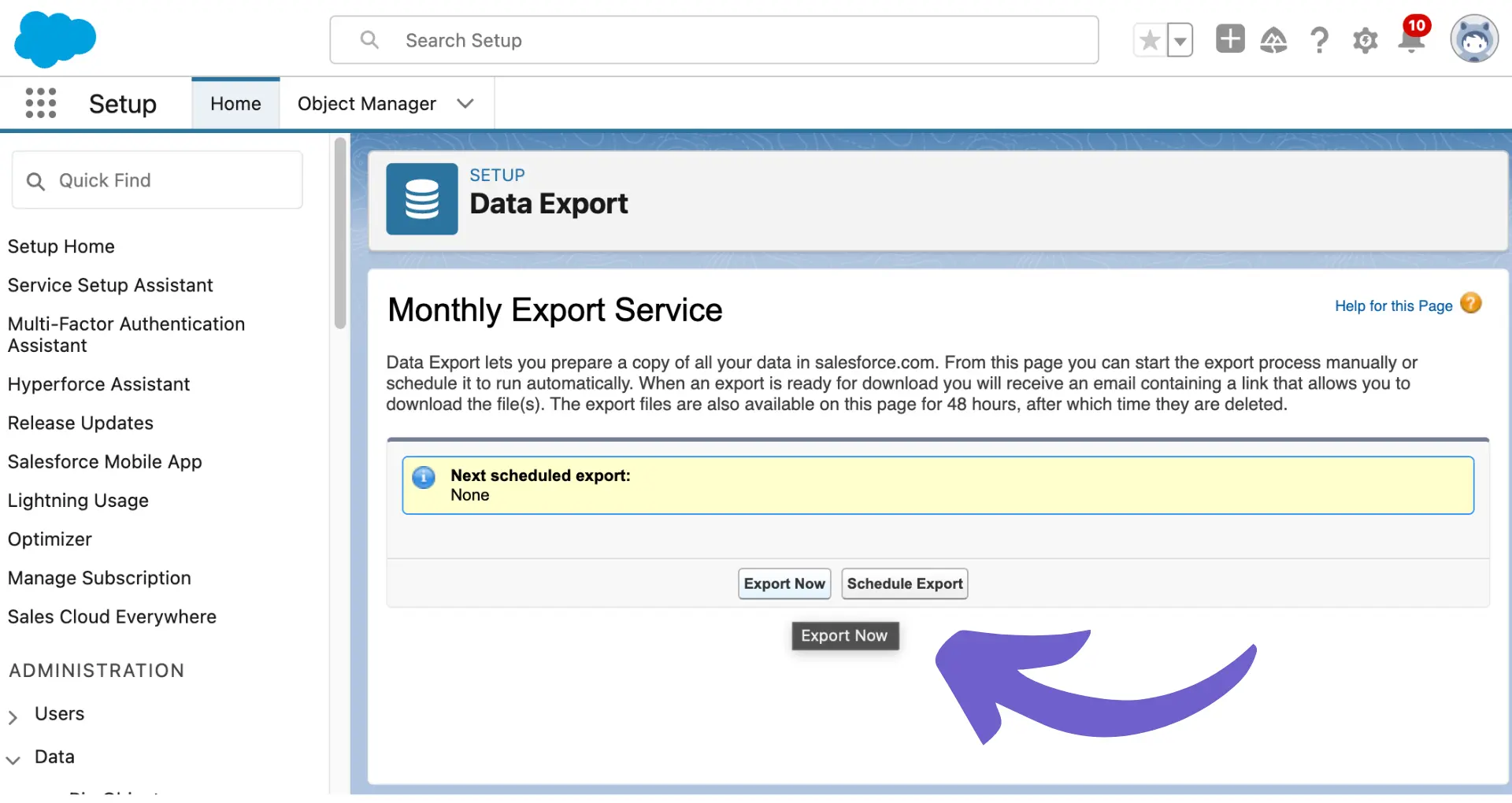
Data Export in Salesforce is primarily used for backing up data, integrating with other systems, or performing data analytics in Excel. Salesforce allows you to schedule automatic data exports on a weekly or monthly basis, or you can initiate an export manually. The data is provided in CSV files, which can be downloaded from the 'Setup' area within 48 hours after the export completes. For automated backups with more advanced features, consider exploring paid options on the AppExchange.
Typical use case: Report manipulation or sharing
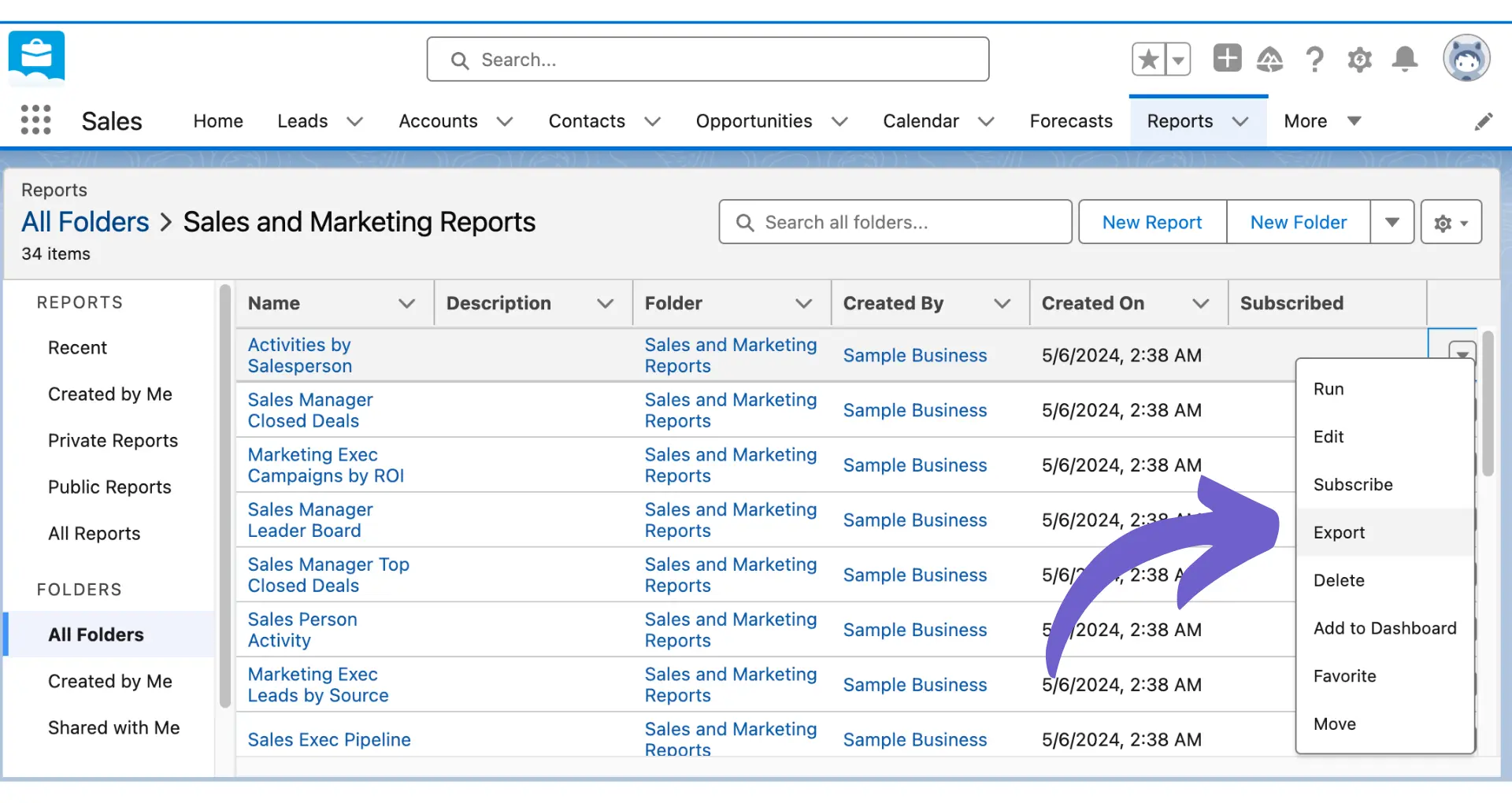
To export a report from Salesforce to Excel for further manipulation or sharing with non-Salesforce users, use the built-in export functionality. Navigate to the Report or Dashboard Actions menu, select 'Export', choose an export view, and then select the format (Excel Format .xlsx, .xls, or Comma Delimited .csv). You can also subscribe to email notifications to receive reports automatically.
Typical use case: Sending reports to multiple people or non-Salesforce users
CloudAnswers' Report Sender app allows you to share Salesforce reports with internal and external stakeholders without manual exporting or forwarding. This native Salesforce app automates report sending, supports customized email templates, and overcomes the limitations of Salesforce's native report scheduling and sharing functionalities.

Typical use case: Automating data extraction for analysis or dashboard creation
For those with programming skills, Python can be used to automate data extraction from Salesforce. Utilizing libraries like Simple Salesforce, you can connect to the Salesforce API to download reports or query data using SOQL. This method is efficient for automating data processing and reporting, reducing manual work, and minimizing errors.
Discover how to automate sales for SDRs and Sales Ops teams with our Salesforce integration workflow automation guide.
Various methods exist for exporting data from Salesforce to Excel, each with its own set of advantages and limitations. Options include using Salesforce Data Loaders for exporting and importing CSV files, leveraging Excel's original interface for direct data export, utilizing Excel Add-Ins for enhanced functionality, employing ODBC Drivers for direct spreadsheet export, and connecting to OData Endpoints for a standardized data access protocol. Each method caters to different user needs, from basic data export to more complex data manipulation and integration scenarios.
Choosing the right method depends on your specific requirements, technical capabilities, and available resources. Whether you need a simple data backup solution, advanced data analytics capabilities, or automated data reporting, there's a Salesforce data extraction method that fits your needs.








SOC 2 Type II, GDPR and CASA Tier 2 and 3 certified — so you can automate with confidence at any scale.