Sending mass emails through HubSpot can be a powerful way to reach your audience and drive engagement. In this step-by-step guide, we'll walk you through the process of efficiently setting up, customizing, testing, and sending mass emails using HubSpot's comprehensive email management tools. By following these best practices and leveraging HubSpot's features, you can create effective email campaigns that resonate with your target audience and achieve your marketing goals.
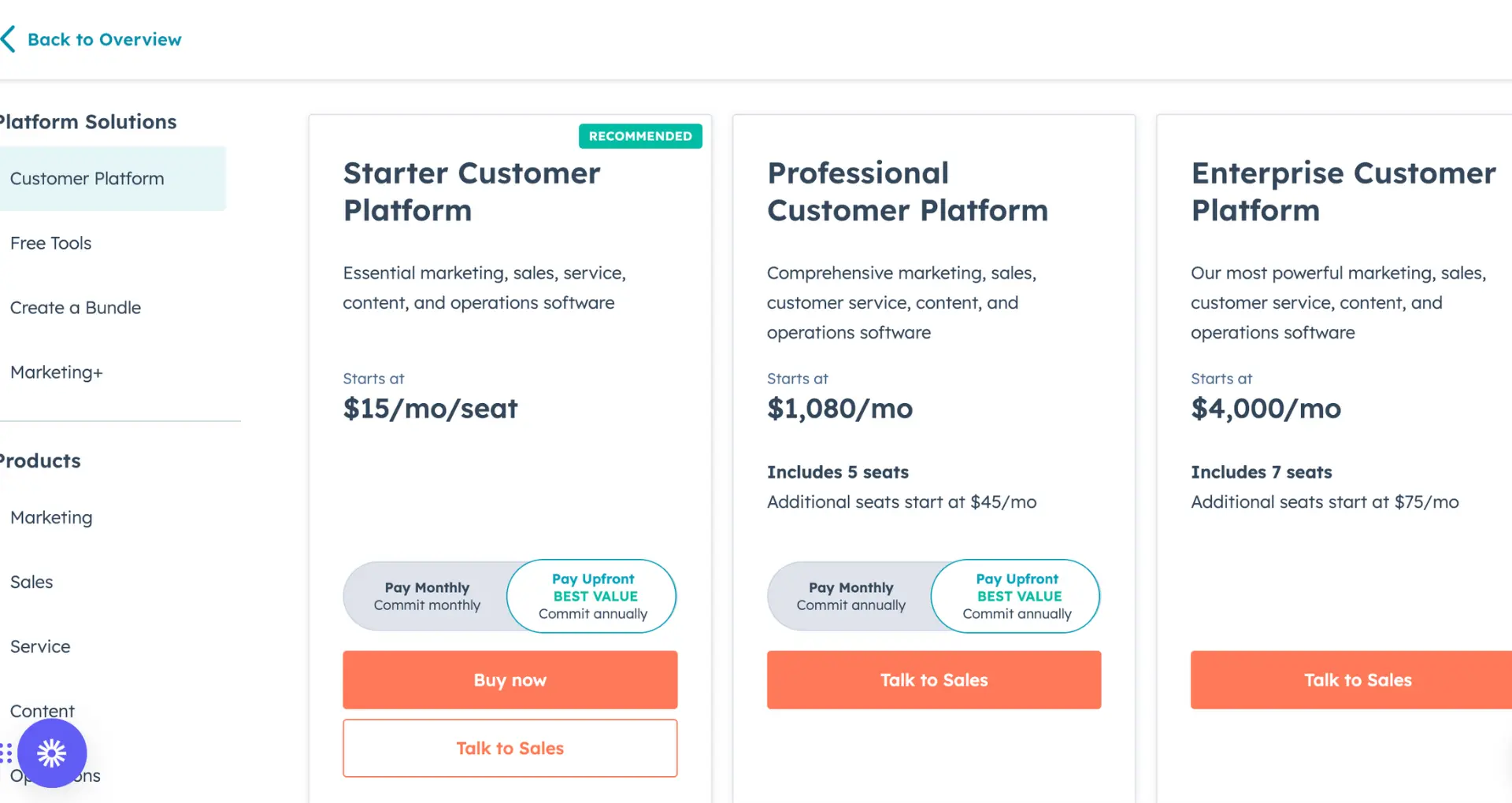
HubSpot offers a range of email management capabilities, with different features available depending on your subscription plan. The Marketing Hub Professional and Enterprise plans provide access to advanced mass email tools, allowing you to create personalized email campaigns effectively.
Some of the primary features of HubSpot's email tools include:
By leveraging these powerful email management capabilities, you can create targeted, effective email campaigns that resonate with your audience and drive results for your business.
Creating a new email campaign in HubSpot is a straightforward process. To get started, navigate to the Marketing tab and select Email. Click on the "Create email" button and choose the appropriate email type for your campaign, such as Regular, Automated, or Blog/RSS.

When setting up your email, it's crucial to select the right template from the Custom tab to align with your campaign's goals. HubSpot offers a variety of pre-designed templates that you can customize to fit your needs, or you can create your own from scratch using the drag-and-drop editor.
Consider the following factors when choosing an email template:
Once you've selected a template, you can start building your email content using HubSpot's intuitive editor. Add text, images, buttons, and other elements to create an engaging email that effectively communicates your message to your target audience.
HubSpot's email editor offers a range of customization options to create engaging and personalized content. Use the rich text toolbar to format your text, add images, and insert links. You can also include emojis to add visual interest and convey tone in your emails.
Personalization is key to creating effective mass emails that resonate with your audience. HubSpot enables personalization through:
To personalize your emails, use HubSpot's personalization tokens, which pull data from your contact properties. For example, you can address contacts by their first name or reference their company in the email content. This helps create a more tailored experience for each recipient, increasing engagement and conversions.
Remember to set default values for your personalization tokens to ensure a seamless experience for contacts who may have missing or incomplete data in their profiles. AI-powered tools can help streamline personalization and save time.
A/B testing is a powerful tool for optimizing your email campaigns in HubSpot. To set up an A/B test:

Once your test is set up, send your email to a sample of your audience. HubSpot will automatically track the performance of each variation based on your chosen metric. After the test duration, HubSpot will select the winning variation and send it to the remaining recipients.
A/B testing is crucial for improving email engagement and overall campaign performance. By continuously testing and refining your emails, you can identify what resonates best with your audience and optimize your strategy accordingly. Regularly incorporating A/B testing into your email marketing process will help you maximize the impact of your campaigns and drive better results over time.
Save time and automate tasks related to A/B testing by using Bardeen's email workflow automation. Focus on what matters most and let Bardeen handle the rest.
Before sending your mass email, it's crucial to preview and test it on various devices and email clients to ensure compatibility and correctness. HubSpot offers built-in testing features to streamline your email workflow:
Sending test emails to yourself or team members is another critical step in the quality assurance process. To send a test email in HubSpot:
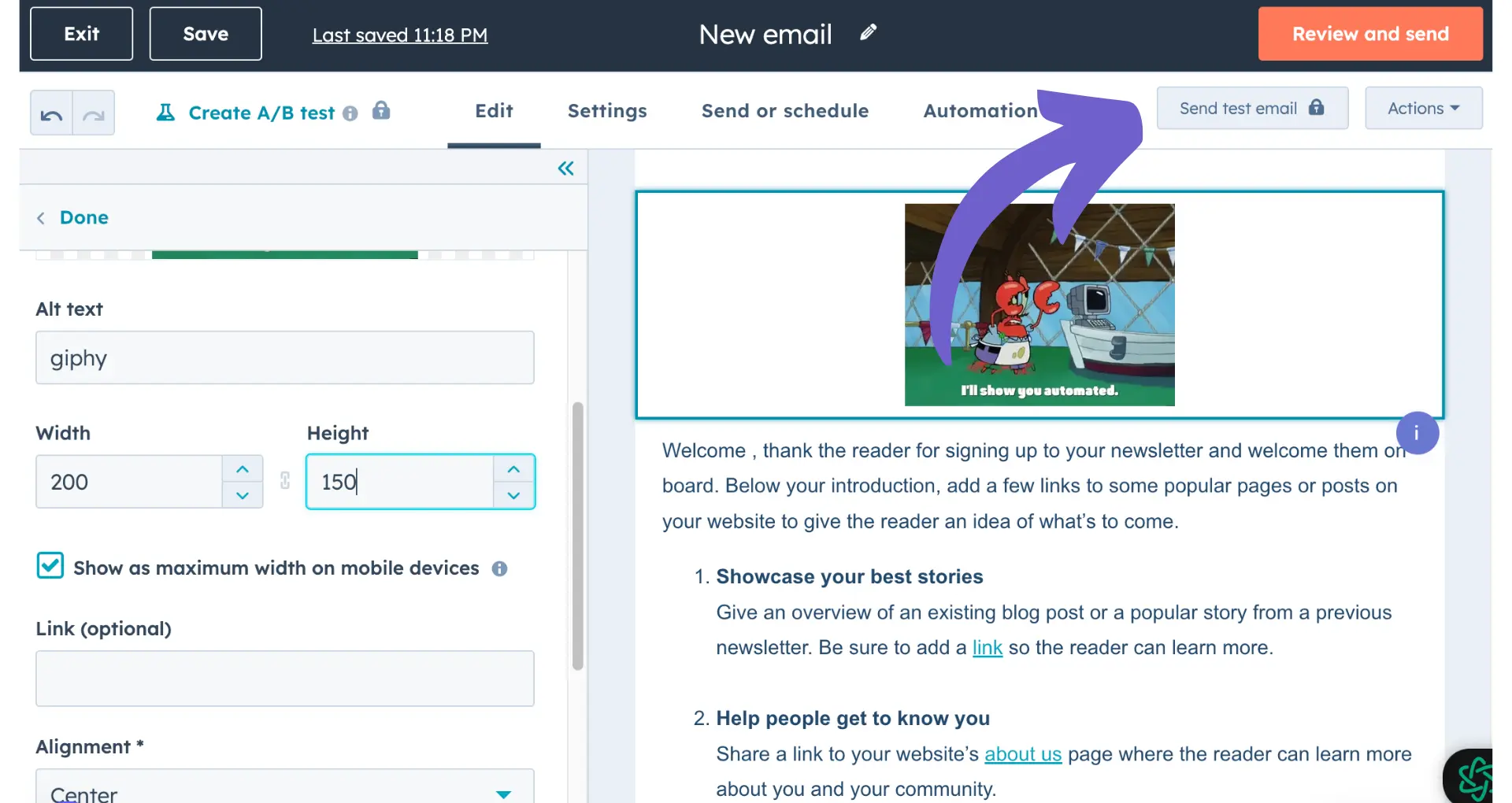
By thoroughly previewing and testing your emails, you can identify and resolve any rendering issues, ensure your content displays as intended, and provide the best possible experience for your recipients.
After crafting your email and ensuring it's error-free, it's time to finalize your recipient list and schedule your mass email. HubSpot offers flexible options to refine your audience and choose the optimal sending time:

Sending emails immediately is ideal for time-sensitive announcements or when you want to reach your audience as soon as possible. Scheduling emails allows you to:
With your recipients and sending time set, click "Send now" or "Schedule" to queue up your mass email in HubSpot.
Save time and automate tasks related to email scheduling by using Bardeen's email workflow automation. Focus on what matters most and let Bardeen handle the rest.
HubSpot offers the flexibility to convert a classic email into a drag-and-drop template, streamlining your email design process. Here's how to convert your email format:
Keep in mind that converting to a drag-and-drop template may affect the behavior of certain modules. For example:
To optimize your email format, consider these best practices:
By converting to a drag-and-drop template and following email design best practices, you can create visually appealing, effective emails that resonate with your audience.








SOC 2 Type II, GDPR and CASA Tier 2 and 3 certified — so you can automate with confidence at any scale.