If you're into email marketing, check out our AI Agent for sales. It automates Salesforce email campaigns, saving you time and improving engagement.
Sending an email campaign in Salesforce is a powerful way to reach your target audience and drive engagement. In this step-by-step guide, we'll walk you through the process of preparing, designing, and launching an effective email campaign using Salesforce tools. By following these best practices and leveraging Salesforce's robust features, you'll be able to create personalized, high-performing email campaigns that resonate with your audience and deliver measurable results.
Introduction
Email campaigns are a crucial component of any successful marketing strategy, and Salesforce provides a robust platform to create, manage, and analyze these campaigns. With Salesforce's powerful tools and features, you can effectively target your audience, personalize your content, and measure the success of your campaigns. In this step-by-step guide, we'll walk you through the process of sending an email campaign in Salesforce, from preparation to launch and analysis.
By following these best practices and leveraging Salesforce's capabilities, you'll be able to:
Design compelling email content that resonates with your audience
Utilize A/B testing and analytics to optimize your campaigns
Improve your email marketing ROI and drive meaningful engagement
Whether you're new to Salesforce or an experienced user, this guide will provide you with the insights and tools you need to create successful email campaigns that deliver results. Let's get started!
Preparing Your Email Campaign in Salesforce
Before you can launch a successful email campaign in Salesforce, it's essential to lay the groundwork by integrating your CRM data and selecting your target audience. This process ensures that your emails reach the right people with the most relevant content.
To begin, create or import a customized email list that aligns with the specific goals of your campaign. Salesforce allows you to easily manage and segment your data, ensuring that you can effectively target your desired audience. Consider the following steps:
Identify the purpose of your email campaign (e.g., promoting a new product, nurturing leads, or re-engaging inactive customers)
Use Salesforce's data management tools to create a targeted list based on criteria such as demographics, purchase history, or engagement levels
Ensure that your email list is up-to-date and complies with privacy regulations like GDPR and CAN-SPAM
Segmenting your audience is crucial for enhancing personalization and increasing the effectiveness of your campaign. By dividing your email list into smaller, more focused groups, you can tailor your content to their specific interests and needs. Salesforce's segmentation capabilities allow you to:
Create dynamic segments based on real-time data from your CRM
Use predefined or custom criteria to group subscribers based on shared characteristics
By leveraging Salesforce's powerful data management and segmentation features, you'll be able to create a solid foundation for your email campaign, ensuring that your messages reach the right people at the right time.
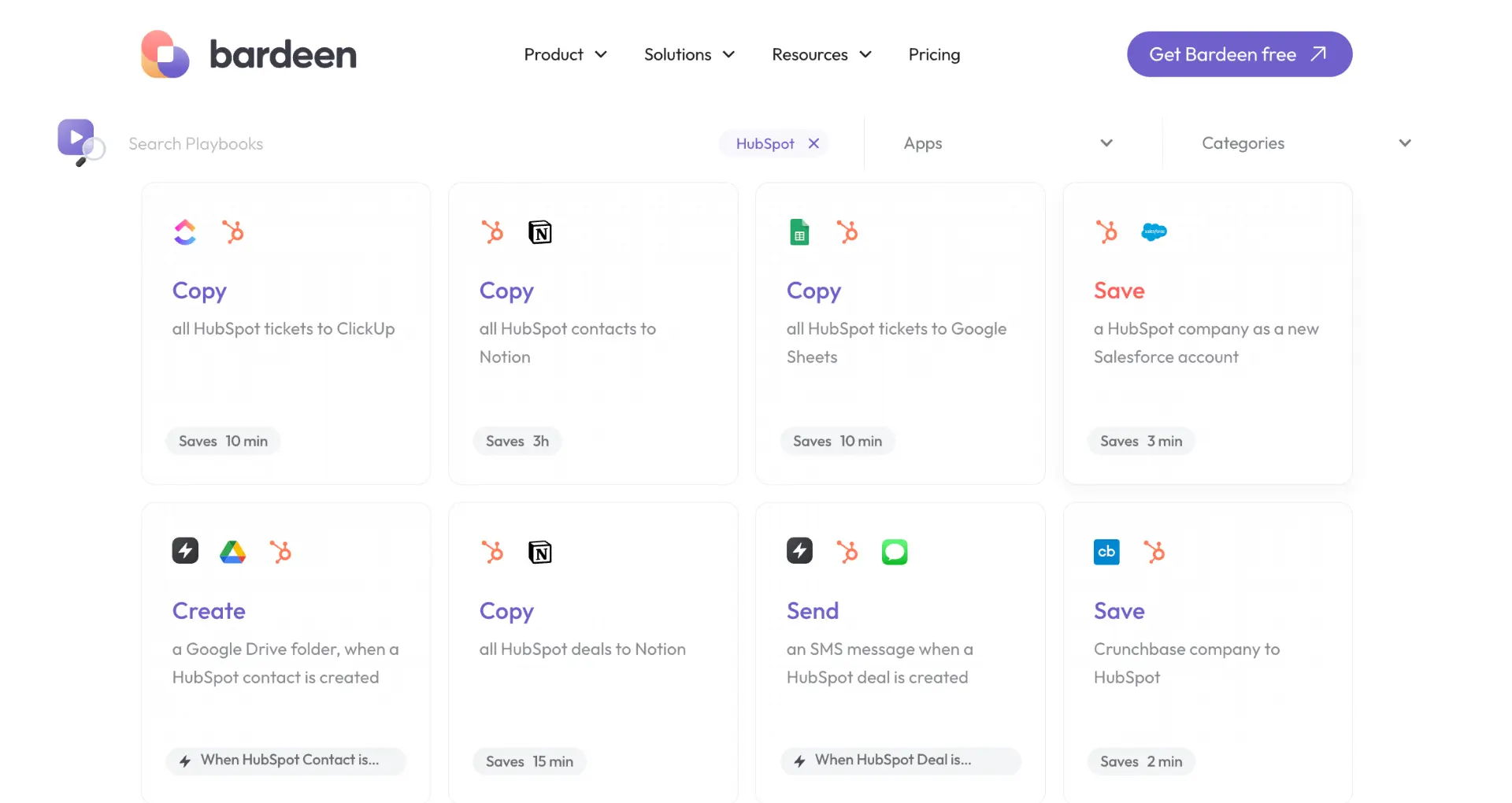
If you want to save time setting up your Salesforce email campaign, try using Bardeen's playbook. It automates the process, letting you focus on crafting the perfect message.
Designing Effective Email Content Using Salesforce Tools
Once you've prepared your email campaign in Salesforce, it's time to focus on crafting compelling content with AI that resonates with your target audience. Salesforce offers a variety of email templates that you can customize to fit your organization's branding and communication style.
To create engaging email content:
Choose a template that aligns with your campaign goals and target audience
Customize the template by adding your brand colors, logos, and fonts
Use insights from your Salesforce CRM data to personalize the content for each segment
Keep your message concise, clear, and focused on the value you're offering to the recipient
Dynamic content and conditional formatting play a crucial role in creating responsive emails that perform well across different devices. By using these features, you can:
Tailor specific sections of your email based on subscriber preferences or behaviors
Ensure that your emails are optimized for various screen sizes and email clients
Create a more personalized experience for your subscribers, increasing engagement and conversions
Integrating multimedia elements like images and videos can also enhance engagement rates. When incorporating visuals:
Use high-quality, relevant images that complement your message
Optimize images for faster loading times
Consider including a video thumbnail that links to your hosted video content
Ensure that your email still conveys its main message even if images or videos are blocked by the recipient's email client
By leveraging Salesforce's email design tools and incorporating best practices for content creation, you can develop compelling emails that effectively communicate your message and drive results.
Launching and Analyzing Email Campaigns in Salesforce
After designing your email content, it's time to launch your campaign and monitor its performance. Salesforce provides a straightforward process for finalizing and sending your email campaign:
Double-check your email content, links, and subject line for any errors or typos
Preview your email to ensure it appears as intended across different devices and email clients
Select your target audience and schedule your campaign for immediate delivery or a specific date and time
Confirm all details and send your campaign
To optimize your email campaign's performance, consider A/B testing different elements such as subject lines, content, or send times. This allows you to determine which versions resonate best with your audience and drive higher engagement rates.
Once your campaign is launched, Salesforce's analytics tools enable you to track key metrics such as:
Open rates: the percentage of recipients who opened your email
Click-through rates (CTR): the percentage of recipients who clicked on a link within your email
Bounce rates: the percentage of emails that could not be delivered to recipients' inboxes
Unsubscribe rates: the percentage of recipients who opted out of future emails
To interpret these analytics effectively:
Compare your metrics to industry benchmarks and your own past campaign performance
Segment your audience based on engagement levels and tailor future campaigns accordingly
Continuously test and refine your email strategies to improve ROI over time
By leveraging Salesforce's launching and analytics tools, you can streamline your email campaign process, gain valuable insights into subscriber behavior, and optimize your strategies for long-term success.
If you want to save time setting up your Salesforce email campaign, try using Bardeen's playbook. It automates the process, letting you focus on crafting the perfect message.
SOC 2 Type II, GDPR and CASA Tier 2 and 3 certified — so you can automate with confidence at any scale.
Frequently asked questions
What is Bardeen?
Bardeen is an automation and workflow platform designed to help GTM teams eliminate manual tasks and streamline processes. It connects and integrates with your favorite tools, enabling you to automate repetitive workflows, manage data across systems, and enhance collaboration.
What tools does Bardeen replace for me?
Bardeen acts as a bridge to enhance and automate workflows. It can reduce your reliance on tools focused on data entry and CRM updating, lead generation and outreach, reporting and analytics, and communication and follow-ups.
Who benefits the most from using Bardeen?
Bardeen is ideal for GTM teams across various roles including Sales (SDRs, AEs), Customer Success (CSMs), Revenue Operations, Sales Engineering, and Sales Leadership.
How does Bardeen integrate with existing tools and systems?
Bardeen integrates broadly with CRMs, communication platforms, lead generation tools, project and task management tools, and customer success tools. These integrations connect workflows and ensure data flows smoothly across systems.
What are common use cases I can accomplish with Bardeen?
Bardeen supports a wide variety of use cases across different teams, such as:
Sales: Automating lead discovery, enrichment and outreach sequences. Tracking account activity and nurturing target accounts.
Customer Success: Preparing for customer meetings, analyzing engagement metrics, and managing renewals.
Revenue Operations: Monitoring lead status, ensuring data accuracy, and generating detailed activity summaries.
Sales Leadership: Creating competitive analysis reports, monitoring pipeline health, and generating daily/weekly team performance summaries.