If you're editing HubSpot emails, you might love Bardeen's AI email draft creator. It helps automate email creation, saving you time and effort.
Editing email templates in HubSpot is a crucial skill for marketers looking to create engaging and effective email campaigns. In this step-by-step guide, we'll walk you through the process of accessing, editing, and customizing your HubSpot email templates with ease. By the end of this guide, you'll be equipped with the knowledge and best practices to create visually appealing and compliant email templates that drive results.
Accessing and Managing Your HubSpot Email Templates
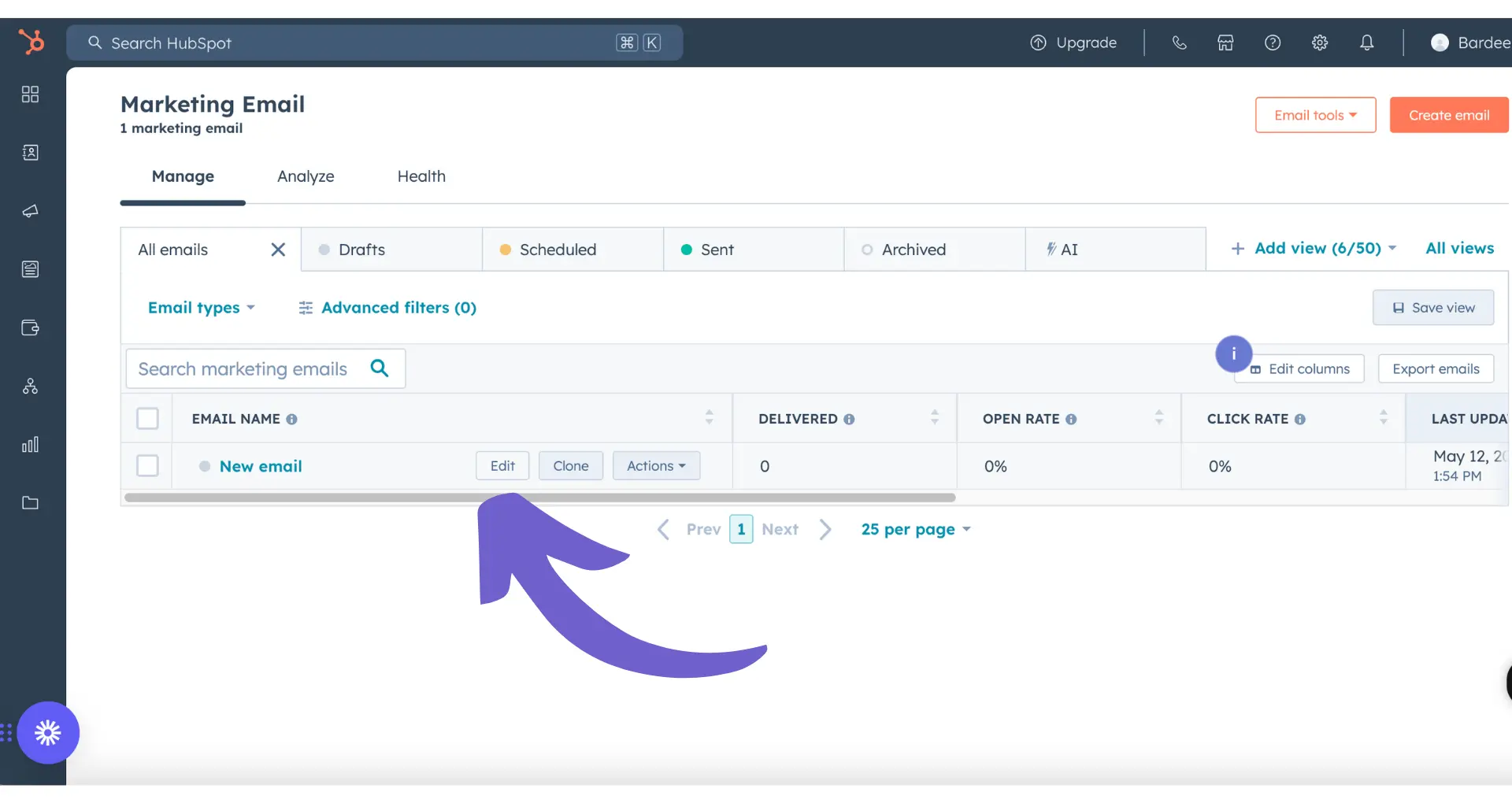
To access and manage your email templates in HubSpot, navigate to the Marketing Email section within your HubSpot account. From there, you can easily locate and edit your saved templates or create new ones from scratch.
Here's how to access your email templates:
In your HubSpot account, go to Marketing > Marketing Email.
Click on the "Create email" button in the top right corner.
In the dialog box, select the email type you want to create.
Click on the "Drag and drop" tab to view your existing templates under the "Saved templates" section.
Once you've accessed your templates, you can perform various actions:
Create a new template by clicking "Create new template" in the top right.
Edit an existing template by clicking the "Actions" dropdown menu and selecting "Edit".
Preview, clone, or delete templates using the corresponding options in the "Actions" menu.
By familiarizing yourself with these steps, you'll be able to efficiently manage and utilize your saved email templates in HubSpot, streamlining your email creation process.
Editing and Customizing Email Templates in HubSpot
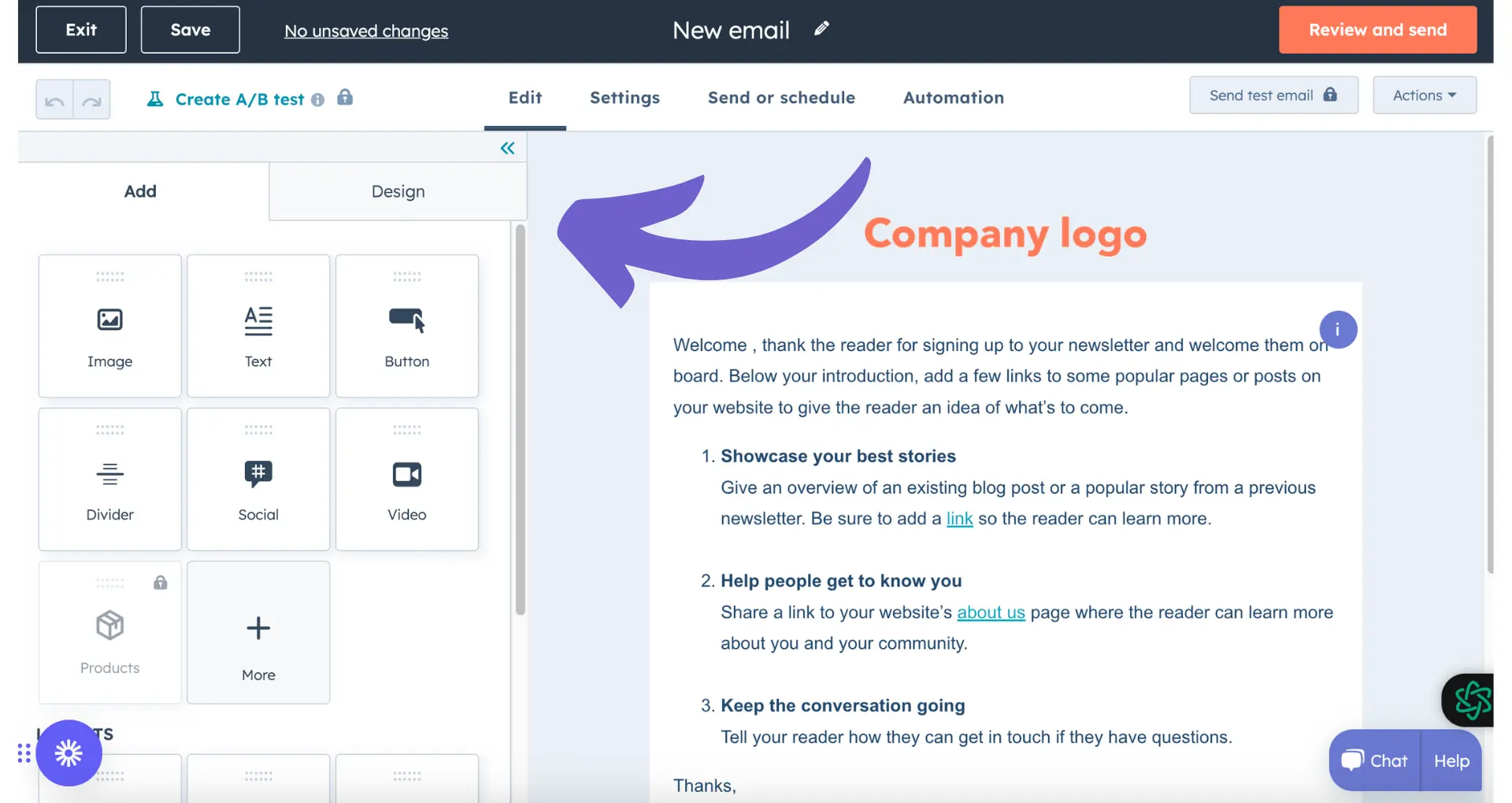
Once you've accessed your email templates in HubSpot, you can easily modify them using the drag and drop editor. This intuitive interface allows you to customize various elements of your template, such as images, text blocks, and call-to-action (CTA) buttons.
To edit a template:
Select the template you want to modify from your saved templates.
Click the "Edit" button to open the template in the drag and drop editor.
Add new elements by dragging them from the left sidebar into the email layout.
Rearrange existing elements by clicking and dragging them to a new position.
Customize the content of each element by clicking on it and making changes in the left sidebar.
When editing text elements, you can modify the font, size, color, and alignment using the rich text toolbar. For images, you can upload new ones, adjust their size, and add alt text.
To further enhance your template, consider these options:
Use the "Design" tab in the left sidebar to modify the overall look and feel of your template, including background colors, padding, and borders.
Create and save custom sections to easily reuse them in future templates.
Preview your template on different devices to ensure it looks great across all screen sizes.
By leveraging the drag and drop editor's features, you can efficiently customize your email templates in HubSpot, creating engaging and professional-looking emails that effectively communicate your message to your audience.
Automate repetitive tasks like email drafting using Bardeen's playbook. Save time with AI.
Advanced Template Features: Utilizing Dynamic Content and Personalization
HubSpot's email templates offer powerful features like dynamic content and personalization, allowing you to create highly targeted and relevant emails for your recipients.
To integrate dynamic content:
Create smart rules within your email template that change the content based on specific criteria, such as a recipient's location, industry, or past interactions with your brand.
Use the "Smart content" option in the email editor to define the rules and the alternative content that will be displayed when the conditions are met.
Preview your email to ensure the dynamic content is working as intended for different recipient segments.
Personalization is another key aspect of effective email marketing. With HubSpot, you can:
Insert personalization tokens that automatically populate the email with recipient-specific information, such as their name, company, or job title.
Use contact properties to tailor the email content, such as displaying different product recommendations based on the recipient's past purchases or interests.
Create personalized subject lines to increase open rates and engagement.
Best Practices for Email Template Design and Compliance
When designing your HubSpot email templates, it's crucial to follow best practices that enhance the visual appeal, readability, and compliance of your emails. Here are some key tips to keep in mind:
Use a clean, simple layout with plenty of white space to make your emails easy to scan and read.
Stick to a consistent color scheme and font style that aligns with your brand guidelines.
Include clear, compelling calls-to-action (CTAs) that encourage recipients to take the desired action, such as visiting your website or making a purchase.
Compliance is another critical aspect of email template design. To ensure your emails meet legal requirements and industry standards:
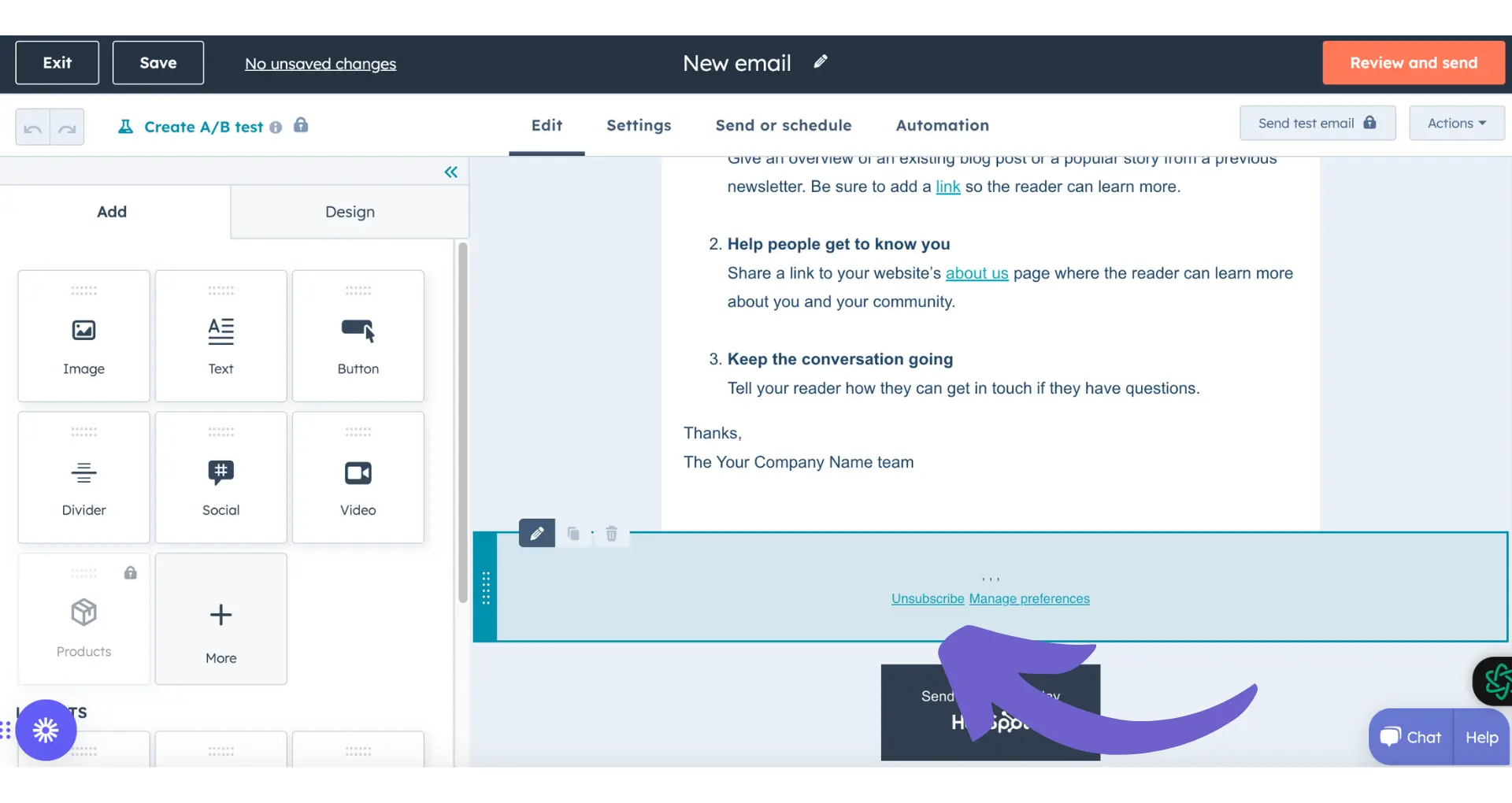
Avoid using deceptive subject lines or content that could be considered spam.
By following these design and compliance best practices, you can create HubSpot email templates that effectively engage your audience while maintaining a professional and trustworthy reputation. Boost open rates with effective email templates.
Save time and focus on important tasks by using Bardeen. Integrate Bardeen with HubSpot to automate your email workflows.

SOC 2 Type II, GDPR and CASA Tier 2 and 3 certified — so you can automate with confidence at any scale.
Frequently asked questions
What is Bardeen?
Bardeen is an automation and workflow platform designed to help GTM teams eliminate manual tasks and streamline processes. It connects and integrates with your favorite tools, enabling you to automate repetitive workflows, manage data across systems, and enhance collaboration.
What tools does Bardeen replace for me?
Bardeen acts as a bridge to enhance and automate workflows. It can reduce your reliance on tools focused on data entry and CRM updating, lead generation and outreach, reporting and analytics, and communication and follow-ups.
Who benefits the most from using Bardeen?
Bardeen is ideal for GTM teams across various roles including Sales (SDRs, AEs), Customer Success (CSMs), Revenue Operations, Sales Engineering, and Sales Leadership.
How does Bardeen integrate with existing tools and systems?
Bardeen integrates broadly with CRMs, communication platforms, lead generation tools, project and task management tools, and customer success tools. These integrations connect workflows and ensure data flows smoothly across systems.
What are common use cases I can accomplish with Bardeen?
Bardeen supports a wide variety of use cases across different teams, such as:
Sales: Automating lead discovery, enrichment and outreach sequences. Tracking account activity and nurturing target accounts.
Customer Success: Preparing for customer meetings, analyzing engagement metrics, and managing renewals.
Revenue Operations: Monitoring lead status, ensuring data accuracy, and generating detailed activity summaries.
Sales Leadership: Creating competitive analysis reports, monitoring pipeline health, and generating daily/weekly team performance summaries.