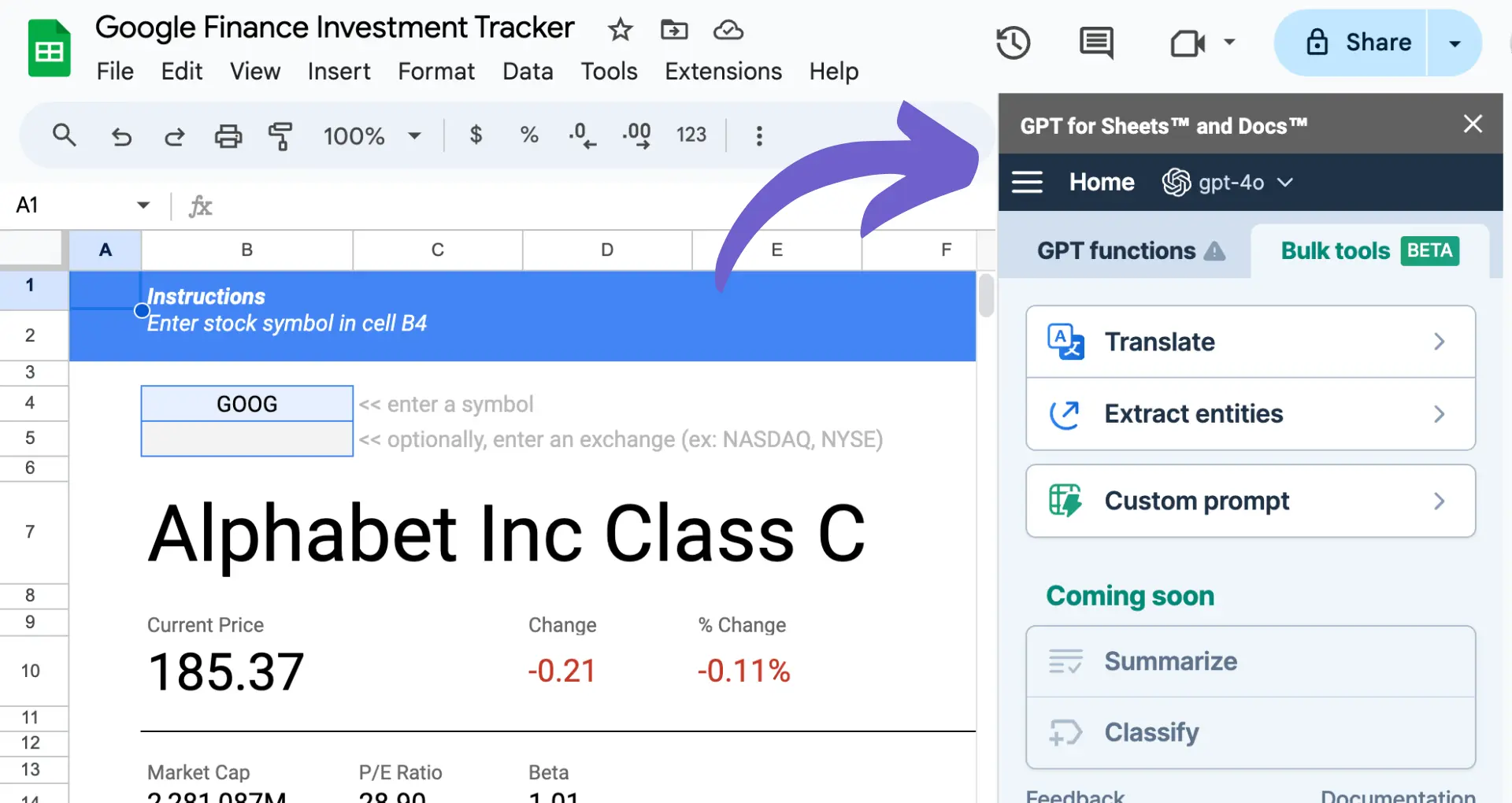
Integrating ChatGPT into Google Sheets can revolutionize how you analyze data and automate tasks. In this step-by-step guide, we'll show you how to set up ChatGPT in Google Sheets, from obtaining an API key to using custom formulas that leverage its powerful language capabilities. By the end, you'll be able to harness the potential of ChatGPT to generate insights, summarize data, and streamline your workflows directly within Google Sheets.
Understanding ChatGPT and Google Sheets Integration
ChatGPT, developed by OpenAI, is a powerful language model that can understand and generate human-like text. It has the ability to assist with a wide range of tasks, from answering questions to writing content. By integrating ChatGPT into Google Sheets, you can:
Enhance data analysis by using natural language queries to extract insights
Automate data entry and formatting tasks, saving time and reducing errors
Generate text based on your spreadsheet data, such as product descriptions or customer responses
This integration allows you to leverage the power of AI directly within your Google Sheets workflow, connecting Google Sheets and unlocking new possibilities for working with your data.
Preparing for Integration: Essential Prerequisites
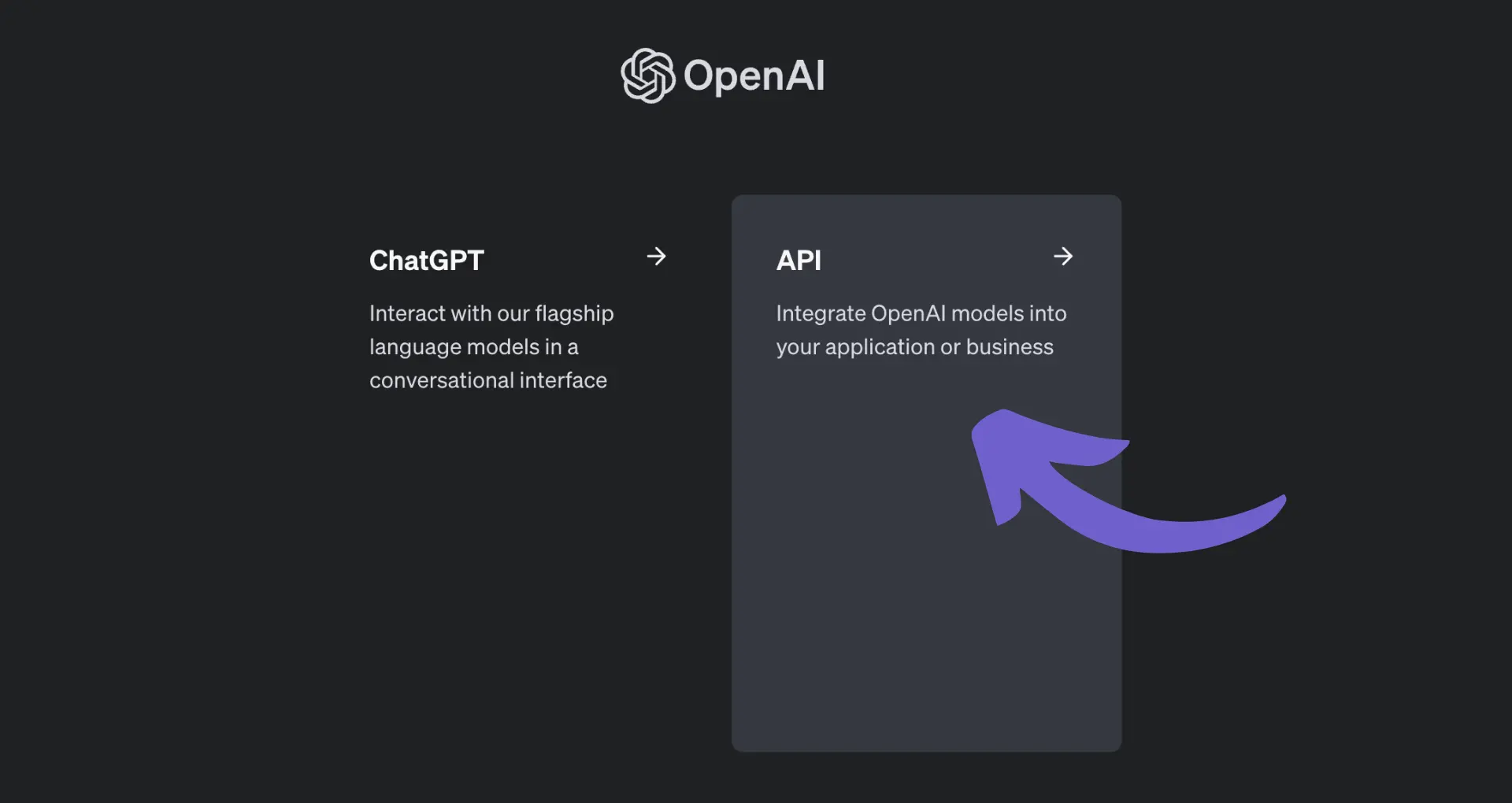
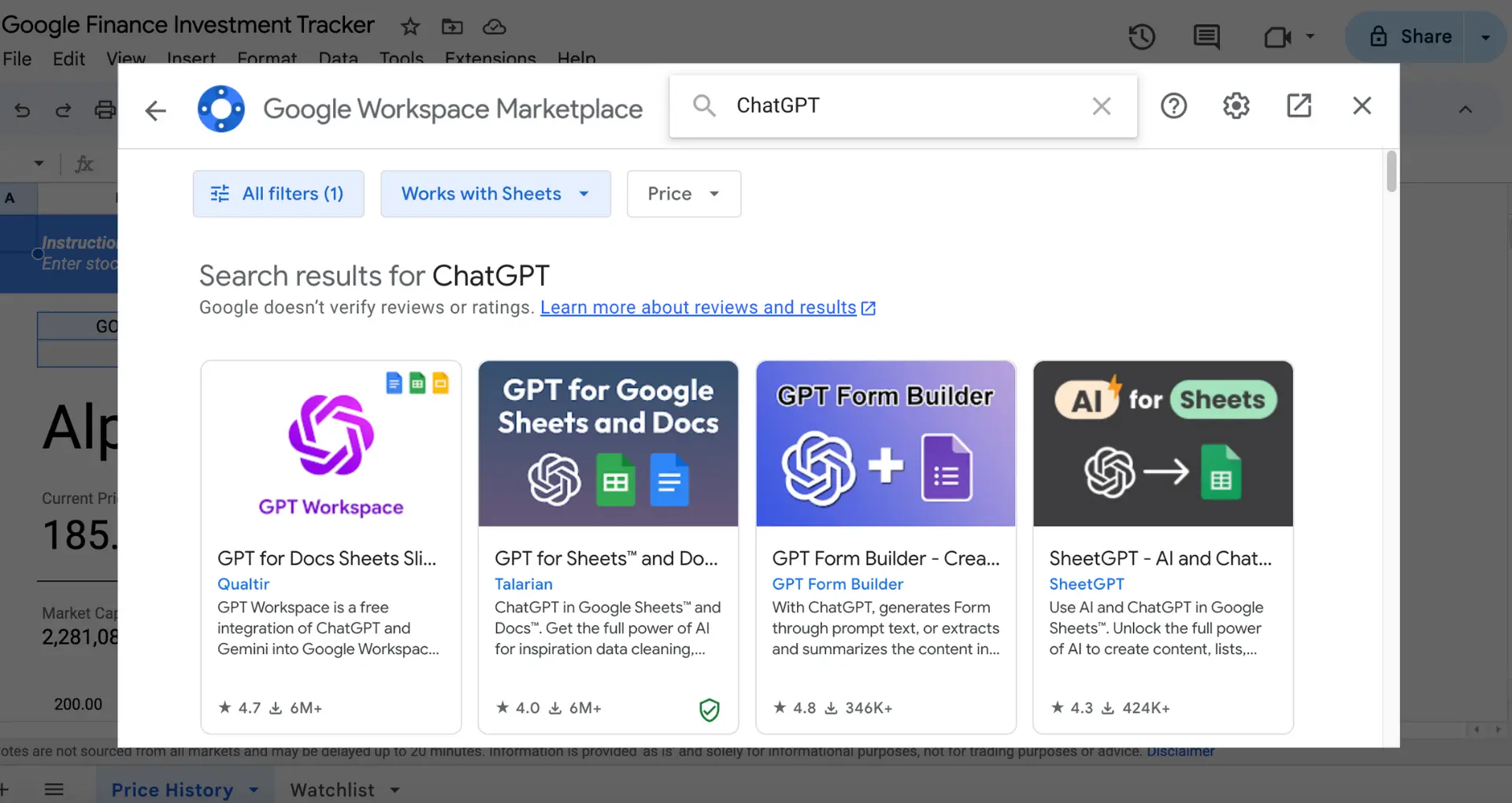
Before you can start integrating ChatGPT into Google Sheets, there are a few essential prerequisites you'll need:
After installation, open your Google Sheets spreadsheet
Locate the add-on in the menu bar, usually under "Extensions" or "Add-ons"
Launch the ChatGPT add-on and follow the authentication process to connect it with your OpenAI API key
Once authenticated, you can start using ChatGPT functions directly within your spreadsheet
Refer to the add-on's documentation to learn about available functions and how to use them in your sheets
To ensure proper communication between Google Sheets and the ChatGPT API, make sure to:
Double-check that your API key is correctly entered and authenticated
Adhere to OpenAI's API usage guidelines and limits
Monitor your API usage to avoid unexpected costs
Keep the add-on and your OpenAI account in good standing
With the integration set up, you can now harness the power of ChatGPT to automate tasks, analyze data, and generate insights directly within Google Sheets.
Utilizing ChatGPT in Google Sheets for Data Analysis
ChatGPT can be a powerful tool for data analysis when integrated with Google Sheets. Here are some practical examples of how you can leverage ChatGPT to process information and generate insights:
Data Summarization: Use ChatGPT to generate concise summaries of large datasets, making it easier to understand key points and trends
Text Analysis: Utilize ChatGPT to analyze text data in your spreadsheet, such as customer reviews or survey responses, and extract valuable insights
Data Categorization: Employ ChatGPT to categorize and label data based on specific criteria, saving time and effort in manual sorting
Anomaly Detection: Leverage ChatGPT's language understanding to identify and flag anomalies or outliers in your data for further investigation
To perform these tasks, you can create custom formulas or scripts that integrate ChatGPT's capabilities. For example:
Use a custom function to send data from a specific range to ChatGPT for analysis and return the generated insights directly in your spreadsheet
Develop a script that automatically categorizes data based on ChatGPT's output, updating your spreadsheet in real-time
Create a custom menu or button that triggers a ChatGPT-powered analysis on selected data, displaying the results in a user-friendly format
By combining the power of ChatGPT with the flexibility of Google Sheets, you can scrape data from websites and uncover valuable insights more efficiently.
Use Bardeen to integrate Excel, saving time on repetitive tasks. Let Bardeen’s AI handle the automation.
Maintaining and Updating Your ChatGPT Integration
Keeping your ChatGPT integration up-to-date is crucial to ensure you have access to the latest features, improvements, and bug fixes. As OpenAI continues to refine the ChatGPT model and API, regular updates will be released to enhance performance and functionality. Here are some key reasons why maintaining your integration is important:
Access to new capabilities: Updated versions of the ChatGPT API may introduce new features or improvements that can further automate outreach and data analysis processes
Enhanced accuracy: As the ChatGPT model is fine-tuned over time, updates can lead to more accurate and relevant outputs for your specific use cases
Bug fixes and stability: Regular updates often include bug fixes and stability improvements, ensuring a smoother and more reliable experience when using ChatGPT within Google Sheets
To keep your integration up-to-date, follow these steps:
Regularly check for updates to the ChatGPT add-on or script you are using in Google Sheets
Read the release notes or changelog to understand what has been improved or changed in the latest version
Follow the provided instructions to update your integration, which may involve reinstalling the add-on or updating the script
If you encounter any issues or errors after updating, consult the documentation or support resources provided by the integration developer. Common troubleshooting steps may include:
Verifying that your API key is still valid and properly configured
Checking for any changes in the API request format or parameters
Ensuring that your Google Sheets data is formatted correctly for use with the updated integration
By staying on top of updates and addressing any issues promptly, you can continue to harness the power of ChatGPT in your Google Sheets workflows without interruption. For more advanced tips, learn how to integrate Google Drive with other apps using Bardeen.