Importing contacts into Salesforce is a crucial task for businesses looking to manage their customer relationships effectively. Salesforce provides several methods to import contacts, catering to different data formats and sources. This guide will cover the primary methods to import contacts into Salesforce, including from Excel, CSV files, and Outlook, as well as bulk upload options.
Automate your Salesforce contact management with Bardeen to ensure your CRM is always up-to-date with minimal effort. Download Bardeen now.
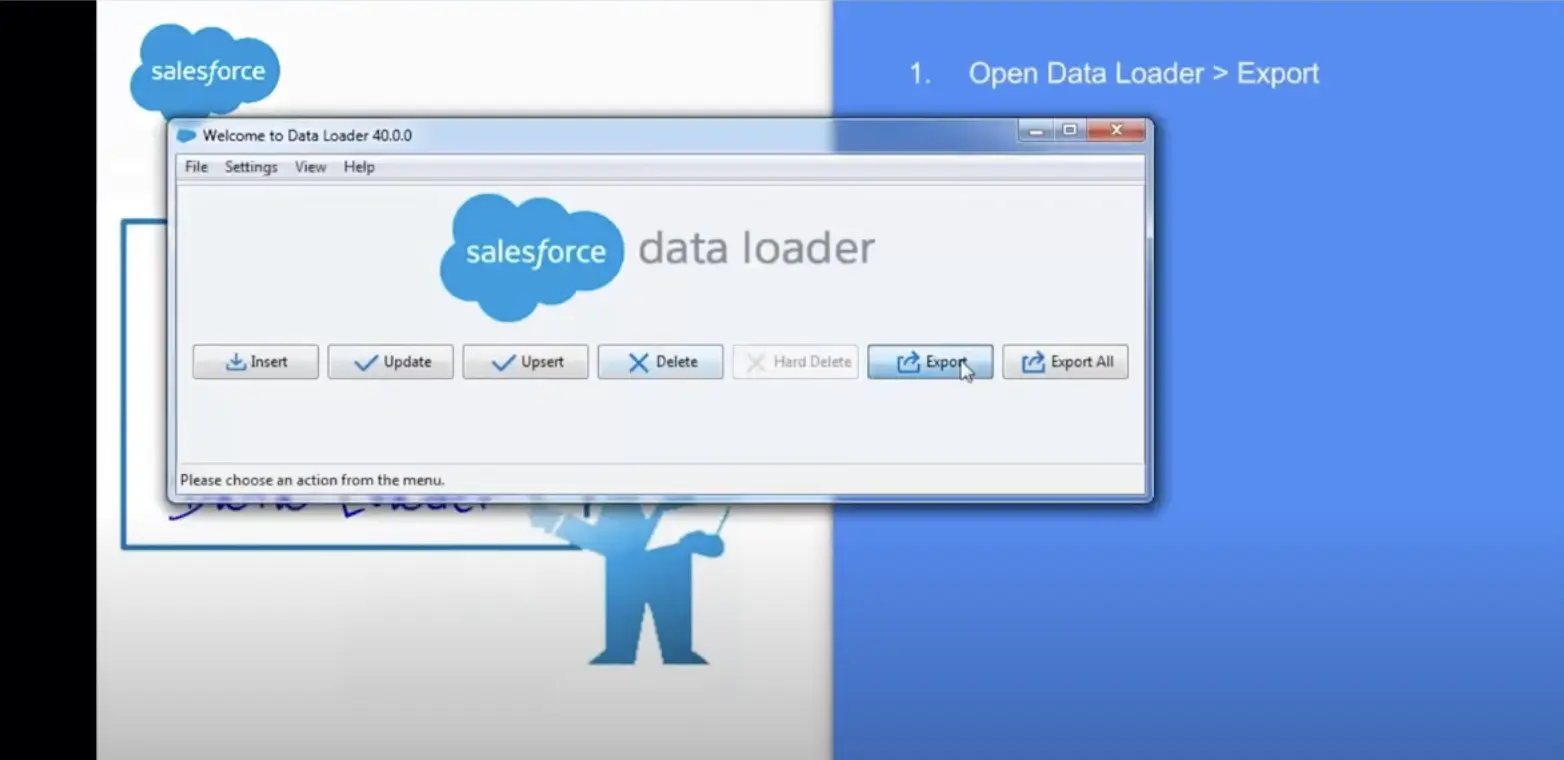
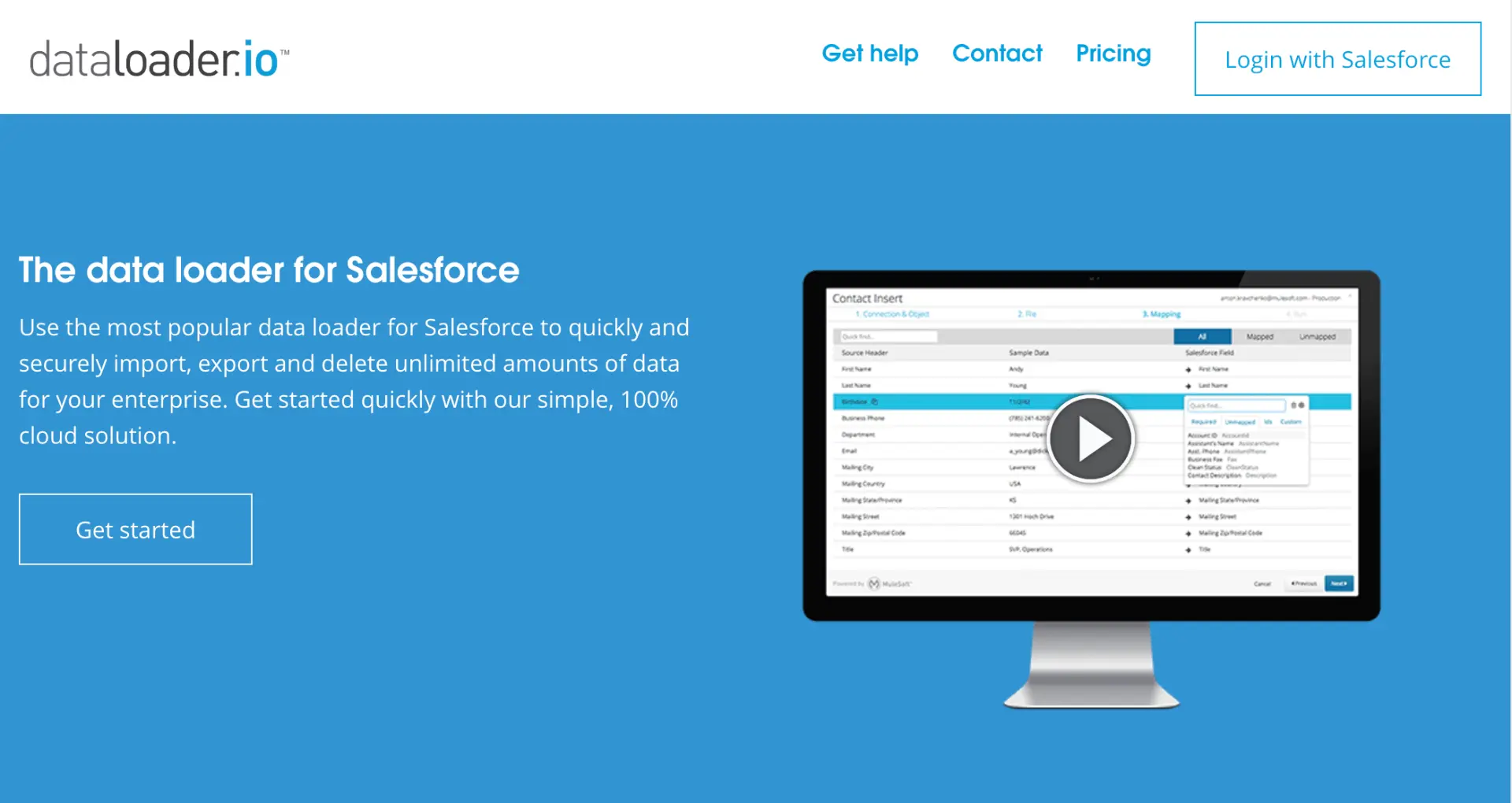
To import contacts into Salesforce, you can use the built-in import wizard or the Salesforce Data Loader. The import wizard is suitable for smaller volumes of data, while the Data Loader is ideal for larger datasets. Both tools allow you to map your contact fields to Salesforce fields, ensuring accurate data transfer.
For importing contacts from Excel, first, save your Excel file as a CSV (Comma Separated Values) file. Then, use the Salesforce Import Wizard or Data Loader to upload the CSV file. During the import process, you'll have the opportunity to map Excel columns to the corresponding Salesforce contact fields.
To mass import contacts, the Salesforce Data Loader is the recommended tool. It allows for the import of large volumes of data from a CSV file. Ensure your data is well-organized and correctly formatted in the CSV file to prevent errors during the import process.
When preparing a CSV file for import, include all necessary contact information and ensure that the data is clean and accurate. Use the Salesforce Data Loader for the import, mapping each CSV column to the appropriate Salesforce field.
For importing contacts from Outlook, first export your Outlook contacts to a CSV file. Then, use the Salesforce Import Wizard or Data Loader to upload this file. During the import process, carefully map the Outlook fields to the corresponding Salesforce contact fields.
Learn how to automate sales for SDRs and Sales Ops teams with Salesforce integration, providing helpful automations to save time and increase impact.
Bulk uploading contacts to Salesforce can be efficiently done using the Salesforce Data Loader. This tool supports the bulk import of contacts from a CSV file, allowing for the rapid update or addition of contact records in Salesforce.
For unstructured data, consider using AI-based OCR software like Nanonets to automate the data transformation workflow. This method involves creating a data parser, importing emails or documents, extracting relevant data, and then exporting or automating the workflow to Salesforce. This approach is beneficial for extracting contact details from emails, documents, and other unstructured data sources.

Streamline your contact import process and ensure data accuracy with Bardeen's Salesforce automations. Start saving time and enhancing your CRM management now.









SOC 2 Type II, GDPR and CASA Tier 2 and 3 certified — so you can automate with confidence at any scale.