Converting images to Excel in Google Sheets can be a useful skill for professionals looking to extract and manipulate data from images or scanned documents. This process involves using Optical Character Recognition (OCR) technology to recognize and convert the text within an image into a format that can be edited and analyzed in Google Sheets. There are several methods and tools available for accomplishing this task, each with its own set of steps.
Automate the conversion of images to Excel in Google Sheets with Bardeen, saving time and enhancing accuracy. Download now.
One popular method for converting images to Excel in Google Sheets involves using third-party add-ons or online services that specialize in OCR technology. These tools can seamlessly extract structured table data from images or clipboard content directly into Google Sheets, maintaining high layout accuracy and character detection.
To use these services, you typically need to:
It's important to note that some services may require an API key or a subscription for full functionality. Always check the specific instructions and terms of use for the tool you decide to use.
Image files such as JPG, PNG, or TIFF can contain rich visual content along with actionable data. Modern OCR technology has advanced to the point where it can extract detailed information from these images, including text and table data. This capability is particularly useful for converting various types of documents into a digital format that can be edited and analyzed, such as converting scanned invoices, receipts, or forms into Excel spreadsheets within Google Sheets.
Discover powerful Google Sheets automations to streamline your workflows and save time.
When importing data from an image into Google Sheets, the process involves recognizing and capturing the relevant data stored in tabular structures within the image. This process is facilitated by OCR technology, which can identify text and numbers within the image and convert them into a format suitable for Google Sheets. This allows for further editing, analysis, or integration with other data.
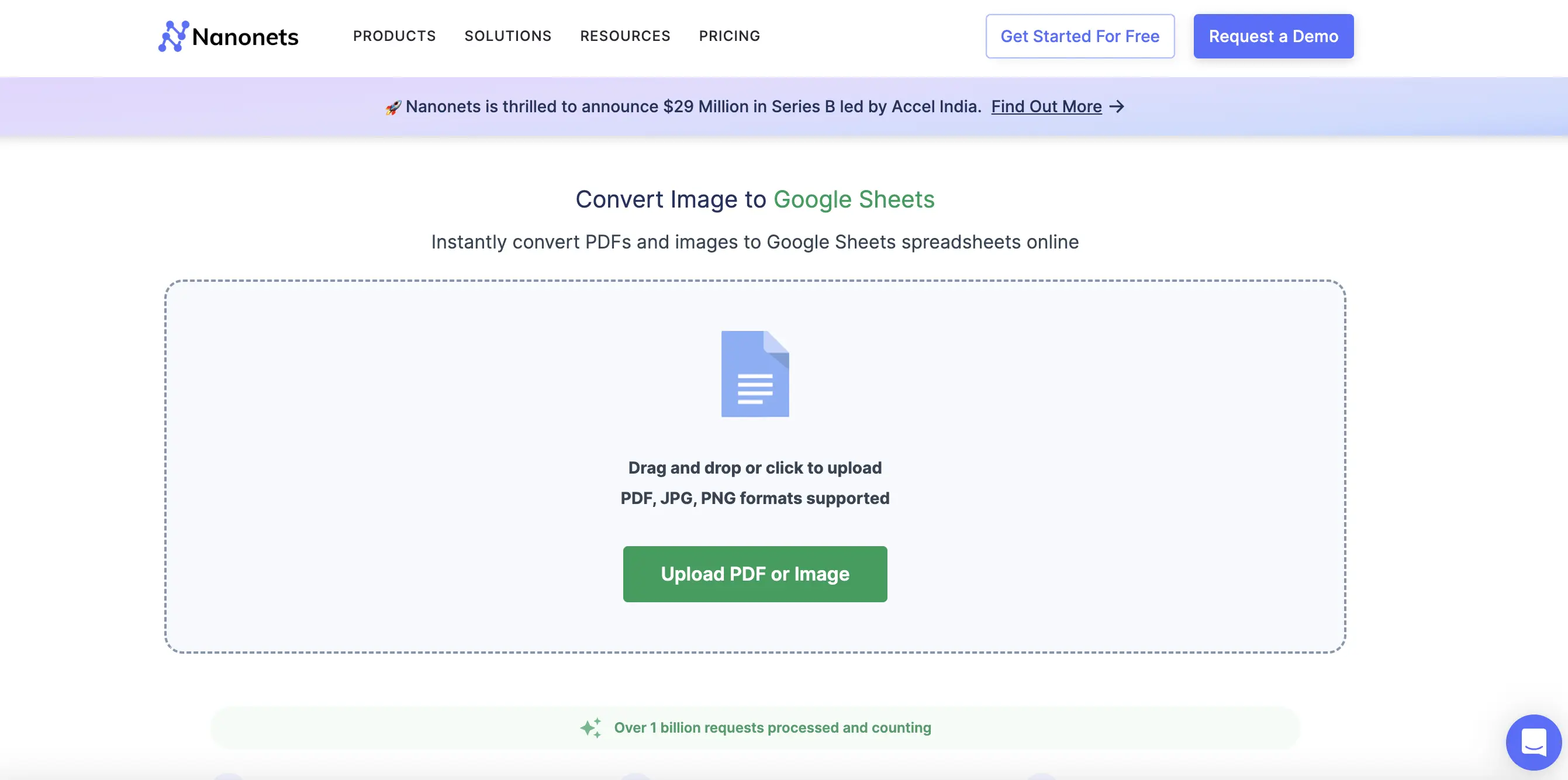
It's essential to ensure that the image quality is good and the text is legible to maximize the accuracy of the data extraction. Additionally, some tools offer the ability to capture entire tables or specific fields within tables, and even add new fields if required, providing flexibility in how the data is imported and organized in Google Sheets.
While there are several tools and services available for converting images to Excel in Google Sheets, it's crucial to choose one that meets your specific needs in terms of functionality, ease of use, and data security. Always review the tool's privacy policy and user reviews before proceeding with the conversion process.
Explore a collection of Google Sheets automations and enhance your productivity with Bardeen.







SOC 2 Type II, GDPR and CASA Tier 2 and 3 certified — so you can automate with confidence at any scale.