Analyzing Excel data can be time-consuming and prone to errors, but ChatGPT offers a powerful solution. In this step-by-step guide, we'll show you how to use ChatGPT to streamline your Excel data analysis, from data entry and cleaning to advanced analysis and reporting. By the end, you'll be equipped with the skills to leverage ChatGPT for more efficient and accurate Excel data management.
To start using ChatGPT for Excel data analysis, you'll need to ensure you have the right software and version compatibility. ChatGPT integrates with Microsoft Excel, so make sure you have a compatible version installed on your computer.
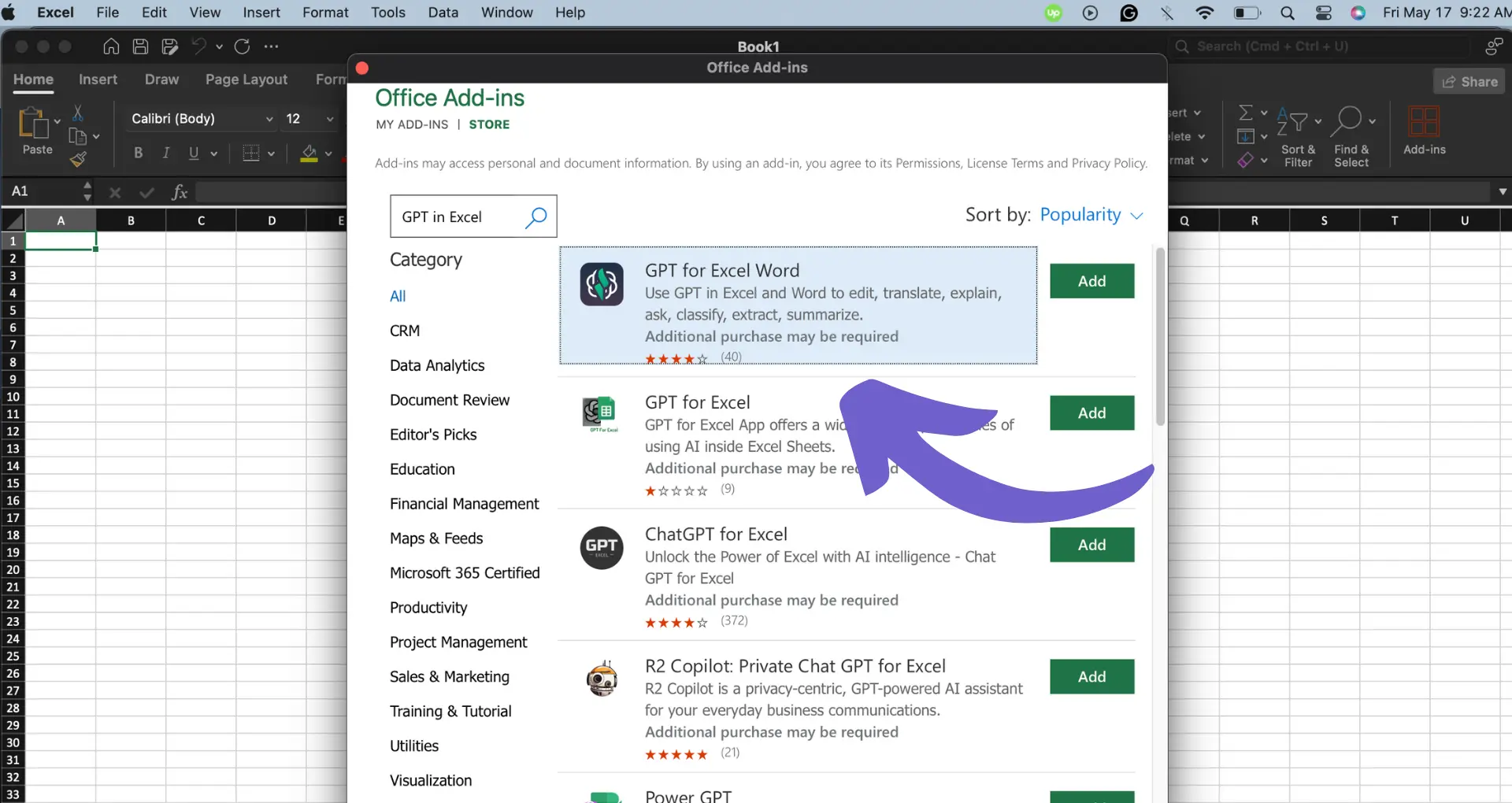
Installing the ChatGPT add-in for Excel is a straightforward process:
With the add-in installed, you're now set to start leveraging ChatGPT's powerful capabilities for your Excel data analysis tasks.
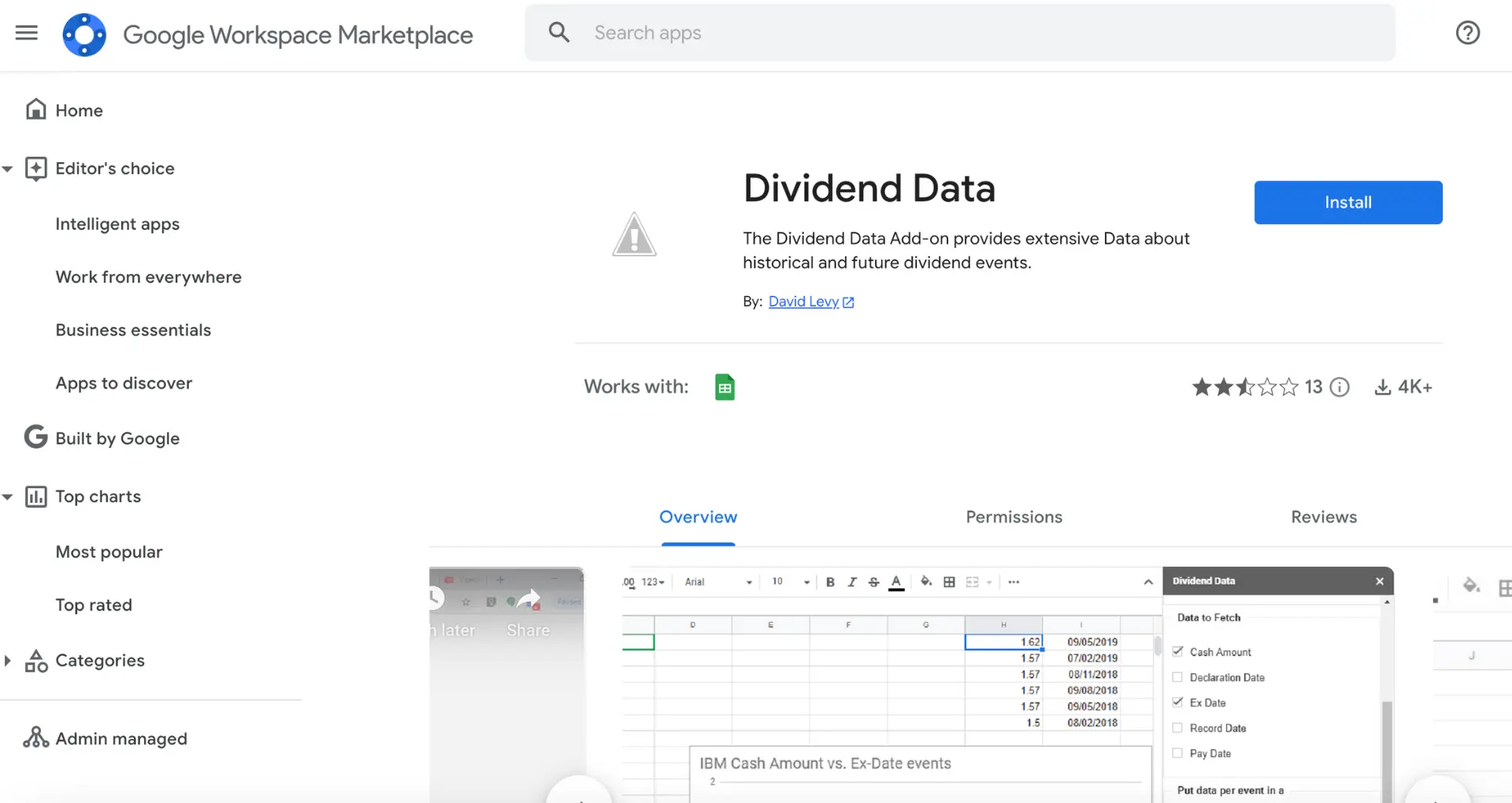
ChatGPT can significantly streamline your data entry and cleaning processes in Excel. By automating these tasks, you can reduce manual input errors and save valuable time. Consider using GPT for Google Sheets to bring AI directly into your workflow.
One of ChatGPT's key capabilities is identifying and correcting data discrepancies. It can help you:
For example, if you have an employee database with inconsistent name formats (some in lowercase, others in uppercase) and varying date formats, ChatGPT can help clean up this data. Instead of manually applying Excel formulas like TRIM, UPPER, or LOWER, you can use ChatGPT to generate Python code that automates the cleaning process.
Simply provide ChatGPT with a sample of your data and specify the columns that need cleaning. ChatGPT will generate the necessary Python code to standardize the data, which you can then apply to your entire dataset. This approach is more efficient, accurate, and maintainable compared to traditional manual methods. For more advanced automation techniques, explore enrichment and qualification automation to further streamline your processes.
Want to save even more time on data tasks? Learn how to use GPT for Google Sheets to bring AI into your spreadsheet and make data work easier.
ChatGPT can take your Excel data analysis to the next level by enabling you to perform complex queries and generate powerful insights. With ChatGPT, you can:
To leverage ChatGPT for advanced analysis, simply provide it with your data and specify the type of analysis you want to perform. For example, you can ask ChatGPT to "calculate the correlation coefficient between sales and marketing spend" or "predict next quarter's revenue based on historical data."
ChatGPT can also help optimize and debug complex Excel functions and formulas. If you're struggling with a formula like VLOOKUP, SUMIFS, or INDEX/MATCH, ChatGPT can provide guidance on how to structure it correctly. It can even suggest alternative formulas that may be more efficient or easier to understand.
For instance, if you're using a nested IF statement that's becoming unwieldy, ChatGPT might recommend using the IFS function instead. Or, if you're using a slow-performing SUMIF function on a large dataset, ChatGPT could suggest switching to SUMPRODUCT for better performance.
By leveraging ChatGPT's expertise in Excel functions and formulas, you can ensure your analysis is accurate, efficient, and easy to maintain.
ChatGPT can be a powerful ally in creating comprehensive reports and dynamic data visualizations within Excel. By leveraging natural language commands, you can prompt ChatGPT to format your data into visually appealing and informative charts and graphs.
For example, you can ask ChatGPT to "create a pie chart showing the distribution of sales by product category" or "generate a line graph comparing revenue over the past 12 months." ChatGPT will then provide you with the necessary Excel formulas and functions to transform your data into the desired visualization.
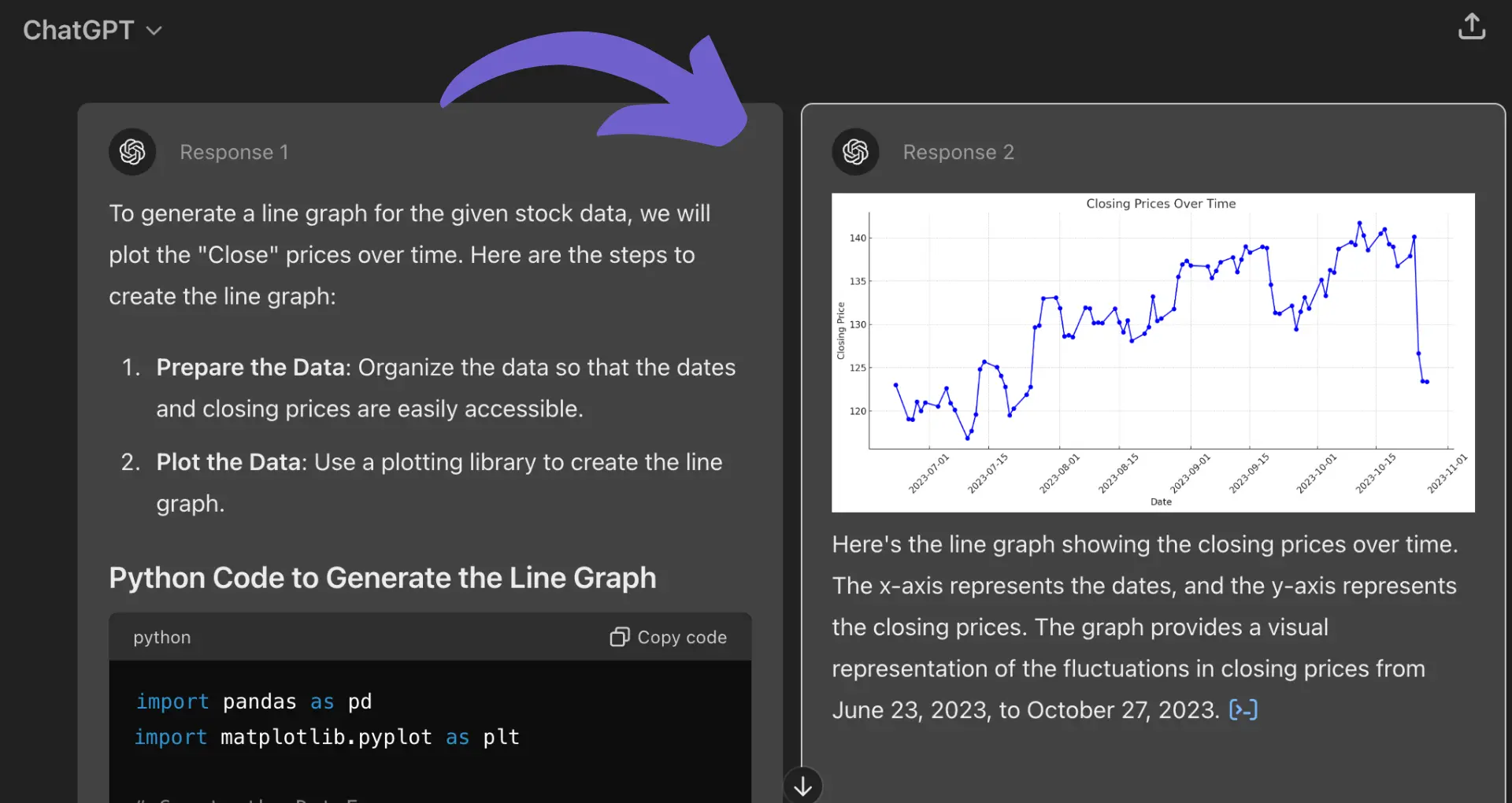
You can also use ChatGPT to customize your charts and graphs, such as changing colors, adding labels, or adjusting the scale. Simply specify your preferences in your prompt, like "make the bars in the chart blue and add data labels," and ChatGPT will guide you through the process.
In addition to charts and graphs, ChatGPT can help you create interactive dashboards and reports that allow users to filter and slice data on the fly. By incorporating Excel features like PivotTables, slicers, and timelines, you can design reports that provide valuable insights at a glance.
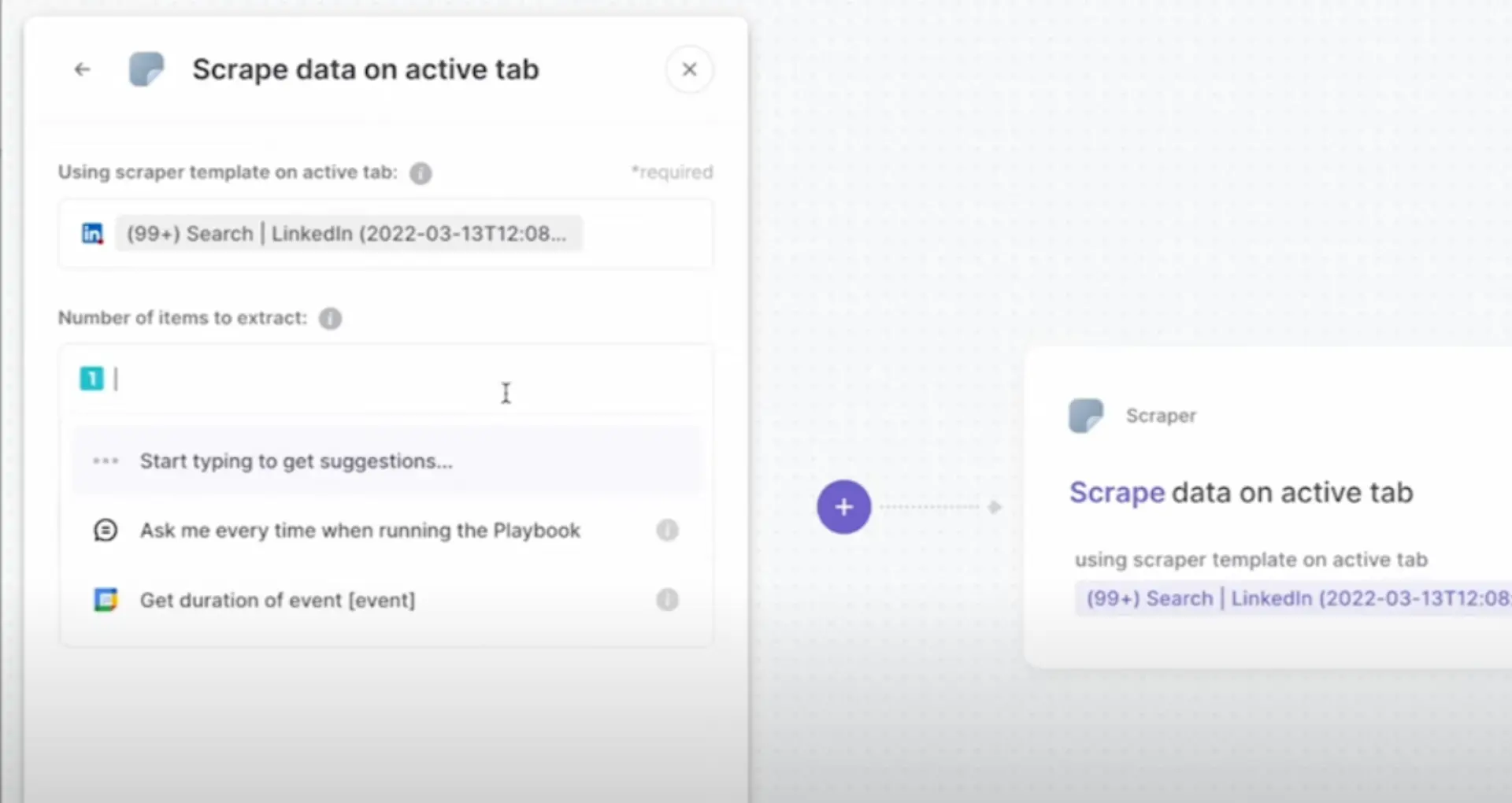
Boost your productivity by using Bardeen to integrate Google Docs and automate your document workflows effortlessly.
With ChatGPT's assistance, you can take your Excel reports and visualizations to the next level, communicating your findings with clarity and impact. For more advanced capabilities, consider using AI-powered tools for generating emails to enhance your workflow.
While ChatGPT can greatly enhance your Excel data analysis experience, you may occasionally encounter issues. One common problem is connectivity errors, where ChatGPT fails to establish a stable connection with Excel. To resolve this, ensure that you have the latest version of the ChatGPT add-in installed and that your internet connection is stable.
Another issue you might face is ChatGPT misinterpreting your commands or providing incorrect formulas. In such cases, try rephrasing your prompt using clearer and more specific language. If the issue persists, consult the ChatGPT documentation or seek support from the community forums.
To maximize your productivity when using ChatGPT with Excel, consider the following best practices:
By implementing these best practices and effectively troubleshooting common issues, you can unlock the full potential of ChatGPT in enhancing your Excel data analysis and maximizing your productivity.








SOC 2 Type II, GDPR and CASA Tier 2 and 3 certified — so you can automate with confidence at any scale.