Converting Apple Numbers files to Google Sheets is a straightforward process that allows you to easily share and collaborate on your spreadsheets with others. In this step-by-step guide, we'll walk you through the process of preparing your Numbers file, exporting it to a compatible format, and importing it into Google Sheets. By following these simple steps, you'll be able to quickly and efficiently convert your Numbers spreadsheets to Google Sheets, ensuring a smooth transition and effective utilization of your data.
Understanding the Basics of Apple Numbers and Google Sheets
Apple Numbers and Google Sheets are both powerful spreadsheet applications, but they have some fundamental differences. Here are the key distinctions between the two:
User interface: Numbers has a more visually appealing and intuitive interface, while Google Sheets offers a clean and functional design.
Compatibility: Numbers is designed specifically for the Apple ecosystem (macOS and iOS), while Google Sheets is web-based and compatible with any device that has a web browser.
Users might need to convert files from Apple Numbers to Google Sheets for various reasons:
Collaboration: Google Sheets allows multiple users to work on the same spreadsheet simultaneously, making it ideal for team projects and real-time collaboration.
Accessibility: Since Google Sheets is web-based, users can access their spreadsheets from any device with an internet connection, regardless of the operating system.
Before converting your Apple Numbers file to Google Sheets, it's essential to prepare the document for a smooth transition. Here are the initial steps:
Finalize any edits or changes to your Numbers file to ensure all data is up-to-date and accurate.
Check the formatting of your data, making sure that dates, currencies, and percentages are correctly formatted.
Review any formulas or functions used in your Numbers file, as some may not convert seamlessly to Google Sheets.
It's crucial to check for potential issues with formulas and data types that might not convert cleanly. Some tips for manual adjustments include:
Simplify complex formulas or replace them with values if they are not essential for the converted file.
Ensure that all data is entered consistently within each column (e.g., dates in the same format, numbers without extra characters).
Remove any special characters or formatting that may cause issues during the conversion process.
By taking these preparatory steps, you can minimize the risk of data loss or formatting inconsistencies when converting your Apple Numbers file to Google Sheets. Also, consider using tools that integrate with Google Docs for a more streamlined workflow.
Save time and avoid manual errors by using Bardeen's AI to connect Google Docs automatically for your conversions.
Exporting Apple Numbers Files to an Excel Format
To convert your Apple Numbers file to a format compatible with Google Sheets, you'll need to export it as an Excel file. Here's a step-by-step guide:
Open your Numbers spreadsheet and click on "File" in the menu bar at the top of the screen.
Select "Export To" and then choose "Excel" from the dropdown menu.
In the export window, you'll see different options for exporting your file. Under "Excel worksheets," choose either "One per sheet" or "One per table," depending on your preference.
If you select "One per table," you can also choose to include a summary worksheet with links to all the tables.
Optionally, you can set a password for the exported Excel file by checking the "Require password to open" box and entering a password.
Click "Next," then choose a location to save the exported file, and click "Export."
When exporting to Excel format, we recommend using the .xlsx file type, as it offers the best compatibility with Google Sheets. Alternatively, you can also export your Numbers file as a .csv (Comma Separated Values) file, which is a more basic format but is still compatible with Google Sheets. You can also connect Microsoft Excel to other apps for even more functionality.
By following these steps, you'll have an Excel version of your Apple Numbers spreadsheet ready to be imported into Google Sheets.
Importing Files into Google Sheets
Once you have your Apple Numbers file exported as an Excel document, you can easily import it into Google Sheets. Here's how:
Go to Google Sheets and sign in to your Google account.
Click on the "+" icon in the bottom right corner to create a new spreadsheet, or open an existing one where you want to import the data.
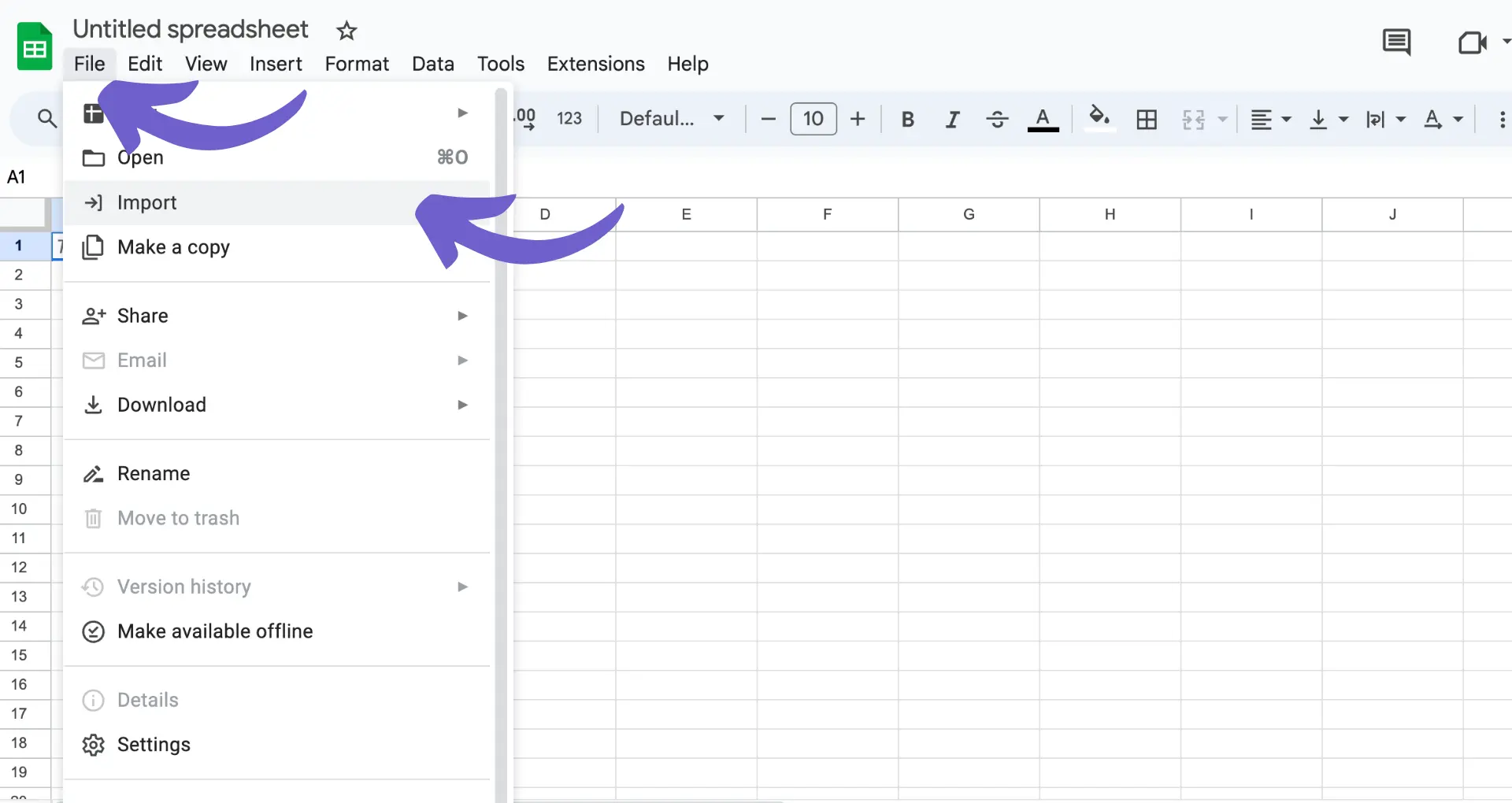
In the menu bar, click on "File" and then select "Import."
In the "Import file" dialog box, click on the "Upload" tab.
Drag and drop your exported Excel file into the upload area or click "Select a file from your device" to browse for the file on your computer.
Once the file is uploaded, you'll see a preview of your data. Here, you can choose how to import the data:some text
"Create new spreadsheet" will import the data into a new Google Sheets file.
"Insert new sheet(s)" will add the data as a new sheet or sheets within your current spreadsheet.
"Replace spreadsheet" will overwrite the data in your current spreadsheet with the imported data.
Select the desired import option and click "Import data."
After importing, you may need to make some minor adjustments to formatting, formulas, or charts to ensure everything is displayed correctly in Google Sheets. For more advanced file management, you can integrate Google Drive with other apps to streamline your workflow.
Editing and Finalizing Your Spreadsheet in Google Sheets
After importing your Apple Numbers file into Google Sheets, it's essential to review the data to ensure everything transferred correctly. Here are some tips for checking and adjusting your imported data:
Look for any formatting inconsistencies, such as misaligned columns or rows, and adjust them as needed.
Check formulas to make sure they are still functioning correctly. If not, you may need to update cell references or rewrite the formulas.
Verify that data types (e.g., dates, numbers, and text) have been preserved during the conversion process. If issues arise, you can use Google Sheets' formatting tools to correct them.
Once you've confirmed the accuracy of your imported data, take advantage of Google Sheets' features to enhance your spreadsheet:
Add new formulas or functions to automate calculations and data analysis.
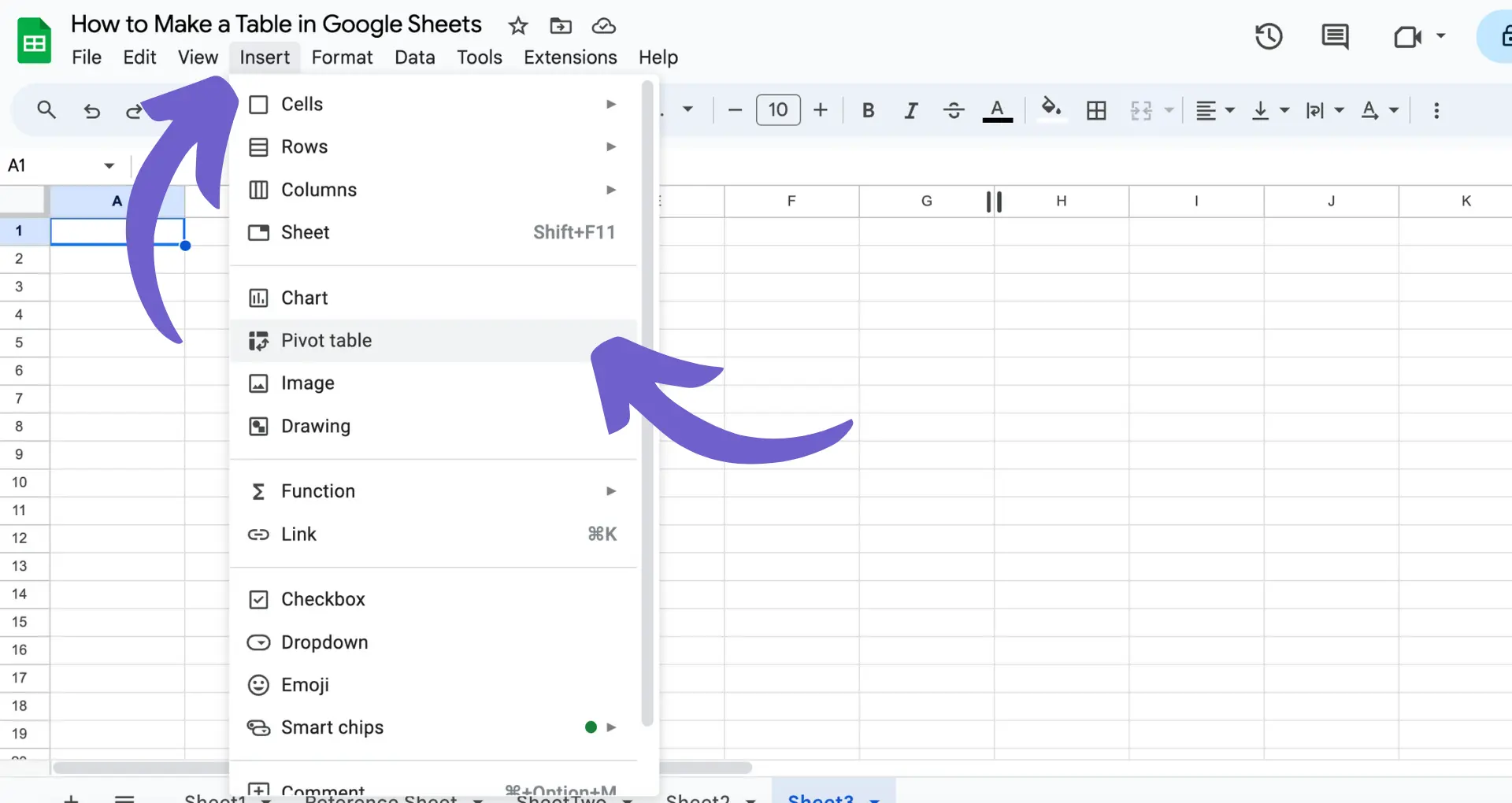
Create charts and graphs to visualize your data and make it easier to interpret.
Use Google Sheets' collaboration tools to share your spreadsheet with others, allowing for real-time editing and comments.
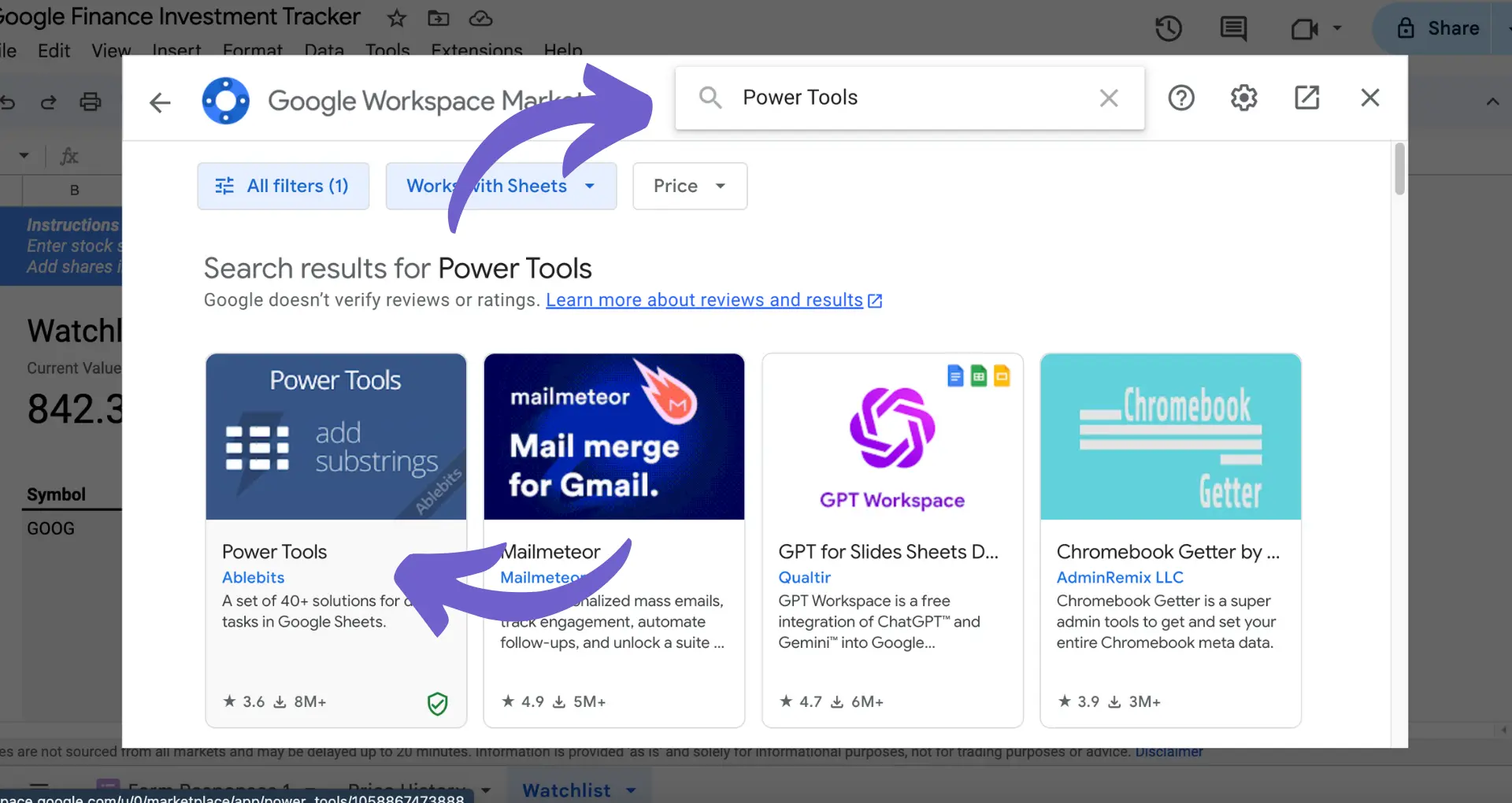
Explore add-ons and integrations to extend the functionality of Google Sheets and streamline your workflow.
By thoroughly reviewing your imported data and leveraging Google Sheets' powerful features, you can ensure a smooth transition from Apple Numbers and create a more efficient, collaborative working environment.