If you work with spreadsheets, check out our GPT in Spreadsheets feature. It helps automate tasks and reduces manual work.
Converting your data from Google Sheets to Apple Numbers doesn't have to be a hassle. In this step-by-step guide, we'll walk you through the process of exporting your Google Sheets data and importing it into Apple Numbers. We'll also cover tips for a smooth transition and discuss file compatibility between the two platforms.
Understanding File Compatibility Between Google Sheets and Apple Numbers
Google Sheets and Apple Numbers are both powerful spreadsheet applications, but they use different file formats. Google Sheets uses the .gsheet format, while Apple Numbers uses the .numbers format. This difference in file formats can lead to compatibility issues when trying to open a file created in one application with the other.
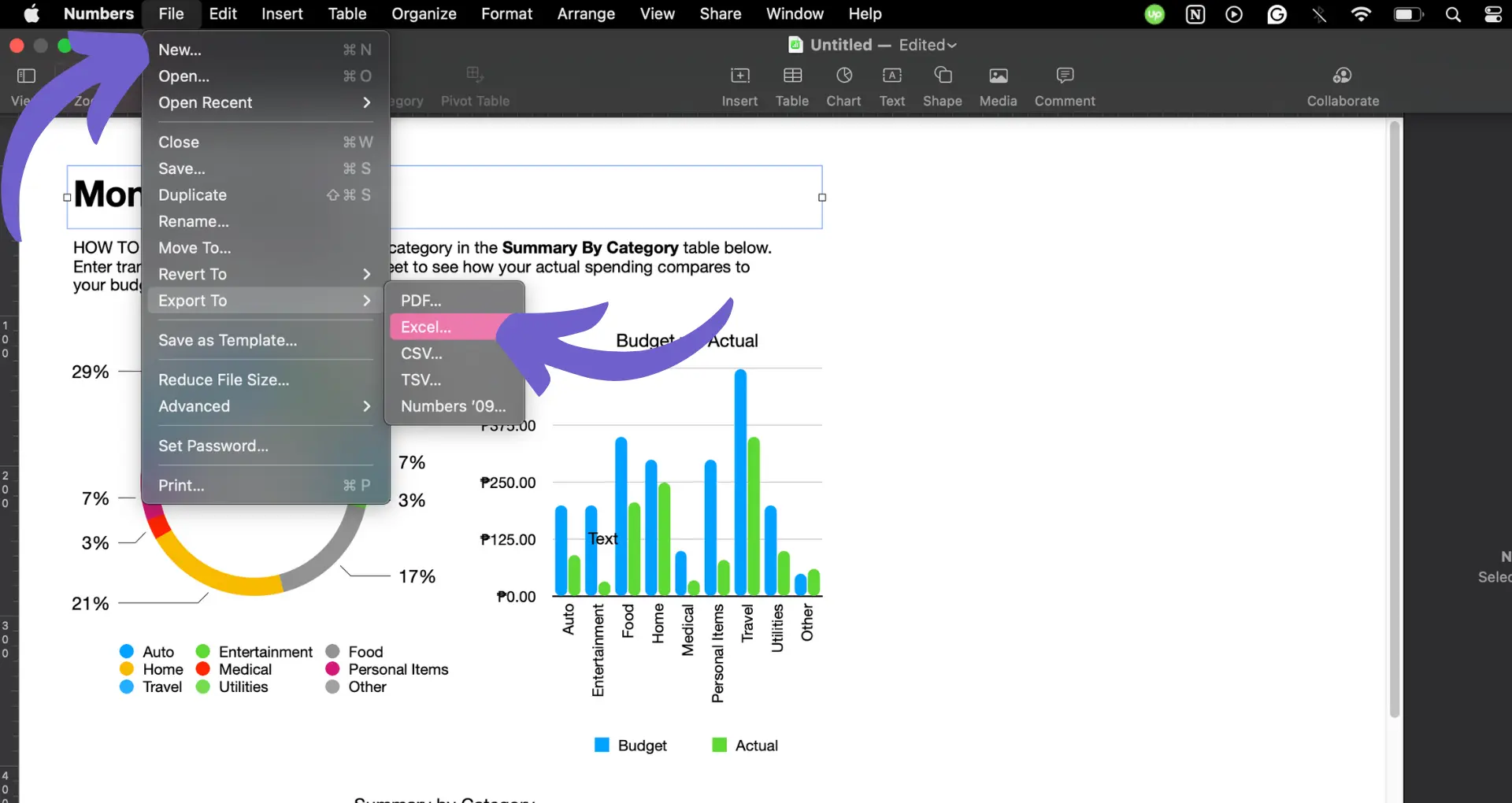
To work around this compatibility issue, you need to convert your Google Sheets files to a format that Apple Numbers can read, such as .xlsx (Microsoft Excel format). Converting your files ensures a smooth transition between the two platforms. You can also integrate Google Sheets with other apps to enhance your workflow, allowing you to continue working on your spreadsheets without any data loss or formatting issues.
Exporting Your Google Sheets Data
To export your Google Sheets data to a format compatible with Apple Numbers, follow these steps:
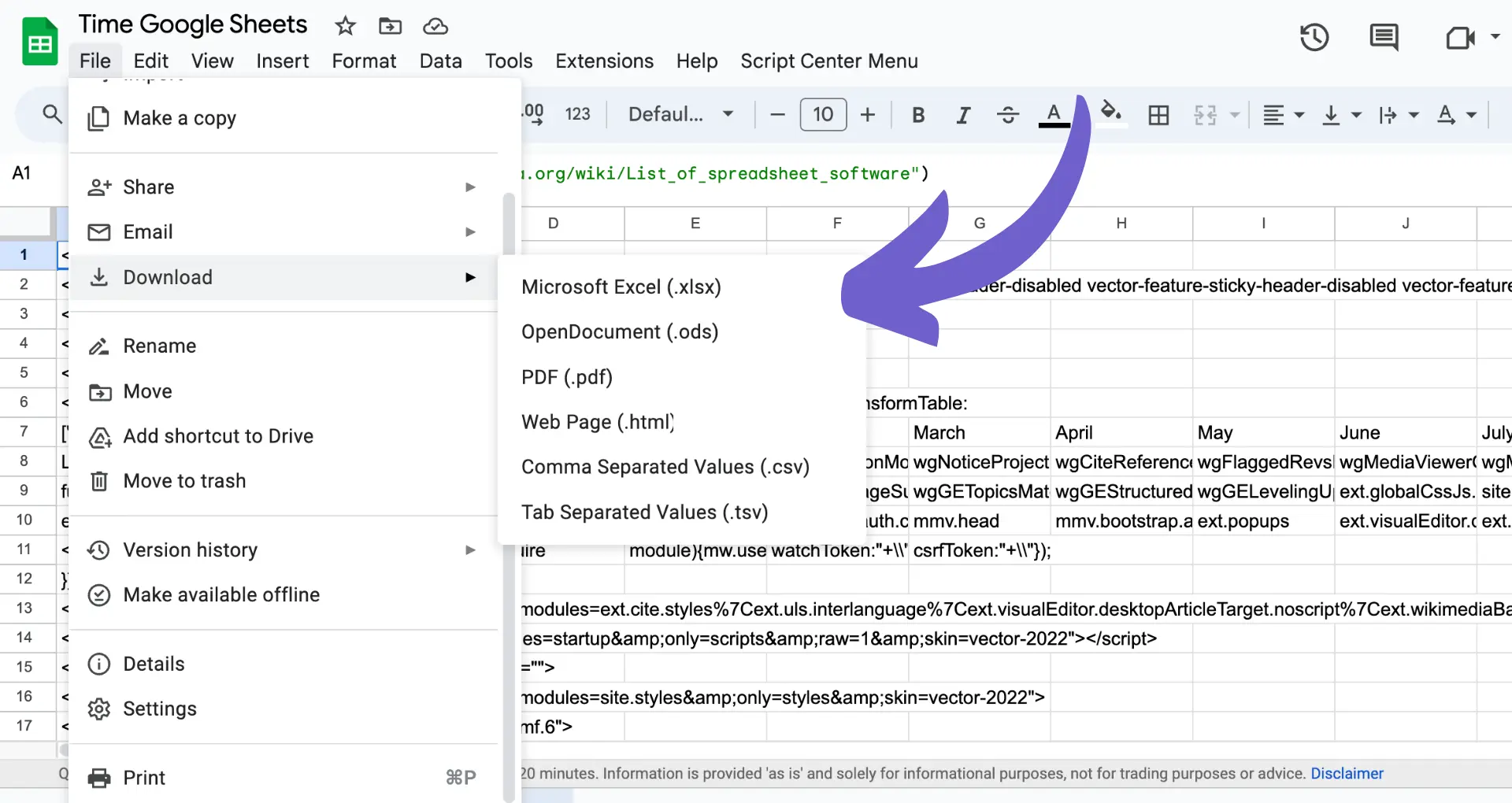
Open your Google Sheets file.
Click on "File" in the menu bar.
Select "Download" from the dropdown menu.
Choose "Microsoft Excel (.xlsx)" as the export format.
When exporting, keep these tips in mind:
Ensure that you select the correct sheet or range of cells to export.
If your spreadsheet contains multiple sheets, you can export the entire workbook or individual sheets.
Check that any formulas, formatting, and charts are maintained after exporting. Consider using GPT for Google Sheets for more advanced tasks.
Bardeen integrates with Google Sheets to automate workflows. Bring AI into your spreadsheet and save time on repetitive tasks.
Once the export is complete, you'll have an .xlsx file that you can easily import into Apple Numbers without losing data integrity or formatting.
Importing Data into Apple Numbers
To import your exported Google Sheets file (.xlsx) into Apple Numbers, follow these steps:
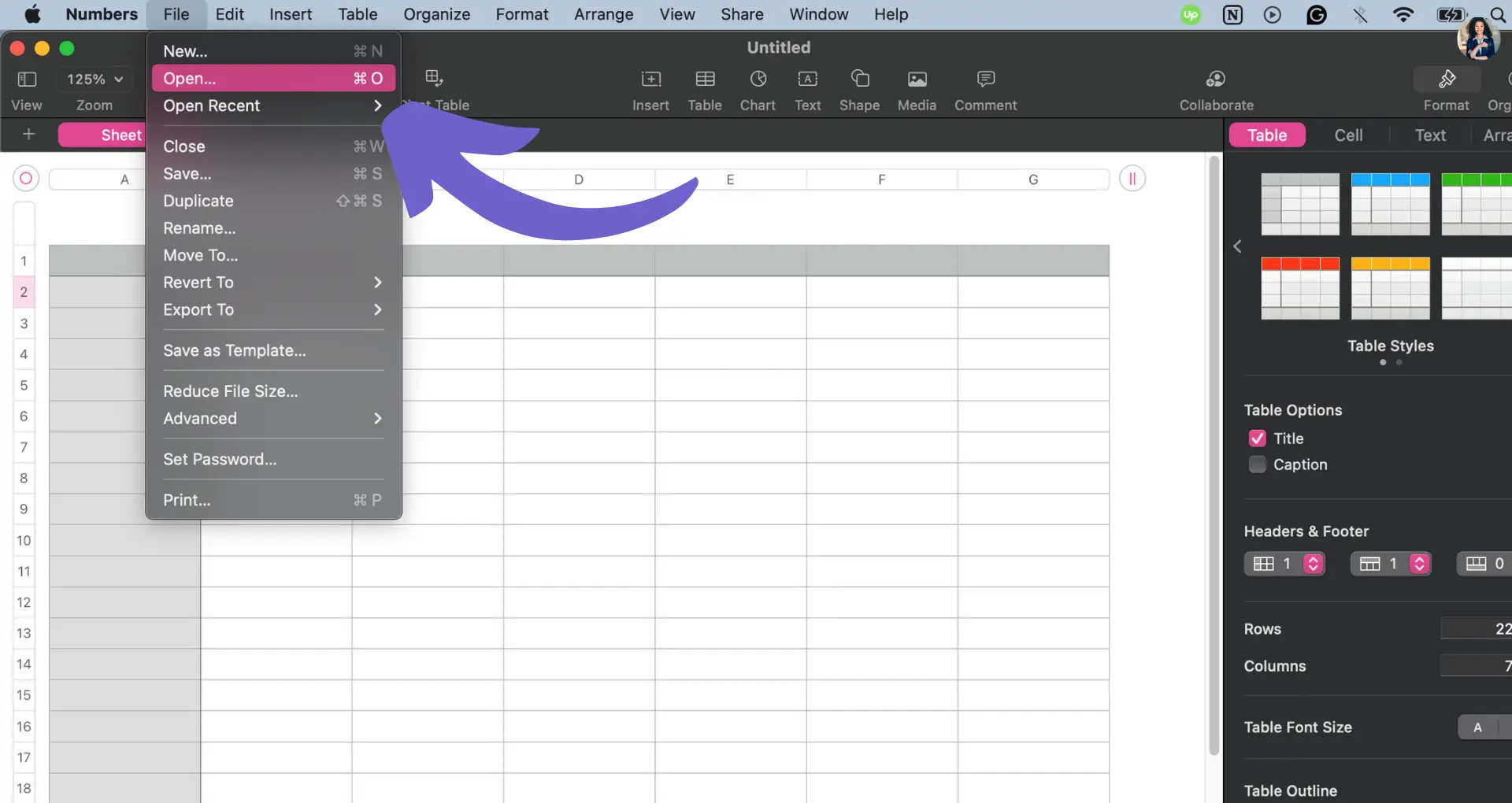
Open Apple Numbers and create a new spreadsheet or open an existing one.
Click on "File" in the menu bar and select "Import" from the dropdown menu.
Choose your exported .xlsx file and click "Open".
Select the sheet(s) you want to import and click "Import".
During the import process, you may encounter some formatting issues or data loss, such as:
Unsupported formulas or functions
Conditional formatting not transferring correctly
Chart or graph discrepancies
To troubleshoot these issues:
Check if the problematic formulas or functions have an equivalent in Numbers and manually update them.
Reapply conditional formatting rules in Numbers.
Recreate charts or graphs using the imported data in Numbers.
By following these steps and addressing any potential issues, you can successfully import your Google Sheets data into Apple Numbers and continue working on your spreadsheets. For more help, learn how to connect Microsoft Excel with other tools using Bardeen.
Tips for a Smooth Transition from Google Sheets to Apple Numbers
When transitioning from Google Sheets to Apple Numbers, keep these tips in mind to make the process smoother:
Familiarize yourself with the Numbers interface. While similar to Google Sheets, some features and tools may be located in different places.
Utilize Numbers' built-in templates to quickly create professional-looking spreadsheets tailored to your needs.
Take advantage of Numbers' unique features, such as the ability to add images, charts, and other media directly to your spreadsheets.
Use the collaboration features in Numbers to work with others on the same spreadsheet in real-time, similar to Google Sheets.
Explore the Numbers' functions and formulas, as some may differ slightly from those in Google Sheets. Apple provides a comprehensive guide to help you connect Google Docs and navigate these differences.
Remember, while there may be a learning curve when switching from Google Sheets to Apple Numbers, the latter offers a powerful and intuitive platform for creating, editing, and sharing spreadsheets. By familiarizing yourself with its features and interface, you'll be able to make the most of this versatile tool and boost your productivity.
Bardeen can help you integrate Google Sheets with Numbers for a seamless transition. Try it now and improve your workflow.
SOC 2 Type II, GDPR and CASA Tier 2 and 3 certified — so you can automate with confidence at any scale.
Frequently asked questions
What is Bardeen?
Bardeen is an automation and workflow platform designed to help GTM teams eliminate manual tasks and streamline processes. It connects and integrates with your favorite tools, enabling you to automate repetitive workflows, manage data across systems, and enhance collaboration.
What tools does Bardeen replace for me?
Bardeen acts as a bridge to enhance and automate workflows. It can reduce your reliance on tools focused on data entry and CRM updating, lead generation and outreach, reporting and analytics, and communication and follow-ups.
Who benefits the most from using Bardeen?
Bardeen is ideal for GTM teams across various roles including Sales (SDRs, AEs), Customer Success (CSMs), Revenue Operations, Sales Engineering, and Sales Leadership.
How does Bardeen integrate with existing tools and systems?
Bardeen integrates broadly with CRMs, communication platforms, lead generation tools, project and task management tools, and customer success tools. These integrations connect workflows and ensure data flows smoothly across systems.
What are common use cases I can accomplish with Bardeen?
Bardeen supports a wide variety of use cases across different teams, such as:
Sales: Automating lead discovery, enrichment and outreach sequences. Tracking account activity and nurturing target accounts.
Customer Success: Preparing for customer meetings, analyzing engagement metrics, and managing renewals.
Revenue Operations: Monitoring lead status, ensuring data accuracy, and generating detailed activity summaries.
Sales Leadership: Creating competitive analysis reports, monitoring pipeline health, and generating daily/weekly team performance summaries.