

This workflow automates the process of extracting information from a WhatsApp profile to create a new contact in HubSpot.
The automation initiates by scraping WhatsApp profile information, including first name, last name, email, phone, and website, directly from the active browser tab. After the scraping process is completed, the extracted data is used to automatically create a new contact in HubSpot. This workflow is particularly useful for:
Pro Tip: This workflow can be customized to scrape additional information or to integrate with other CRMs like Salesforce, Pipedrive, or Apollo.io.
Enhance your CRM management efficiency by automating contact creation from WhatsApp profiles with Bardeen.
Begin by installing the Bardeen app on your device. You can download it from the official Bardeen website.
After installation, open the Magic Box in the app and input the following magic box prompt:
Scrape WhatsApp profile, Create Contact in HubSpot
Ensure that you have integrated the Scraper and HubSpot into your Bardeen app. These integrations are necessary for the workflow to function properly.
Finally, execute the workflow. This process involves:
Integrating WhatsApp with HubSpot allows businesses to streamline communication, automate messaging, and personalize customer interactions. This powerful integration enables your team to manage WhatsApp messages directly from HubSpot's shared inbox, ensuring no message goes unnoticed. By leveraging HubSpot's WhatsApp integration, you can send automated messages, track conversations, and build stronger relationships with your customers. Whether it's responding to inquiries, following up on purchases, or sending personalized messages based on customer actions, everything can be done within HubSpot.
Automate the process of adding WhatsApp contacts to HubSpot and streamline your workflow with Bardeen. This automation saves time and enhances productivity, allowing you to focus on what matters most - building relationships with your customers.
Connecting your WhatsApp Business Account to HubSpot's conversations inbox is straightforward. Start by ensuring you have a verified Meta Business Manager for your WhatsApp Business account, which is necessary for accessing more than 50 business-initiated conversations per day. You'll need the legal name of your company, your WhatsApp display name, your business website URL, your business email address, and admin permission for your company’s Meta Business Manager account. Also, ensure the phone number you wish to use is not connected to another WhatsApp account or integration.
Within your HubSpot account, navigate to the settings icon, then to Inbox > Inboxes, and select 'Connect a channel'. Choose WhatsApp and follow the prompts to connect your WhatsApp Business Account. This process involves logging into your Facebook account, selecting an existing Meta Business Account or creating a new one, and configuring your WhatsApp Business profile. Once connected, you can create a WhatsApp view in your conversations inbox to filter messages specific to your WhatsApp channels.
After integrating WhatsApp with HubSpot, you can start WhatsApp conversations with individual contacts from their contact record or initiate conversations directly within the conversations inbox. This integration allows for a seamless service experience, providing your team with 360° context on each customer's conversation history. Automate welcome messages, abandoned cart texts, and messages based on purchases to build long-lasting customer relationships. Customize message templates and use them in workflows to send business-initiated messages efficiently.
Discover how to enhance your CRM management efficiency by automating the creation of contacts from WhatsApp profiles with Bardeen. This workflow not only saves time but also ensures your contact database is always up-to-date with the latest information.
Remember, WhatsApp messaging limits apply, and messages can include various media types and attachments, enhancing the way you communicate with your customers. By integrating WhatsApp with HubSpot and utilizing automation tools like Bardeen, you can significantly improve your customer engagement and streamline your communication processes.
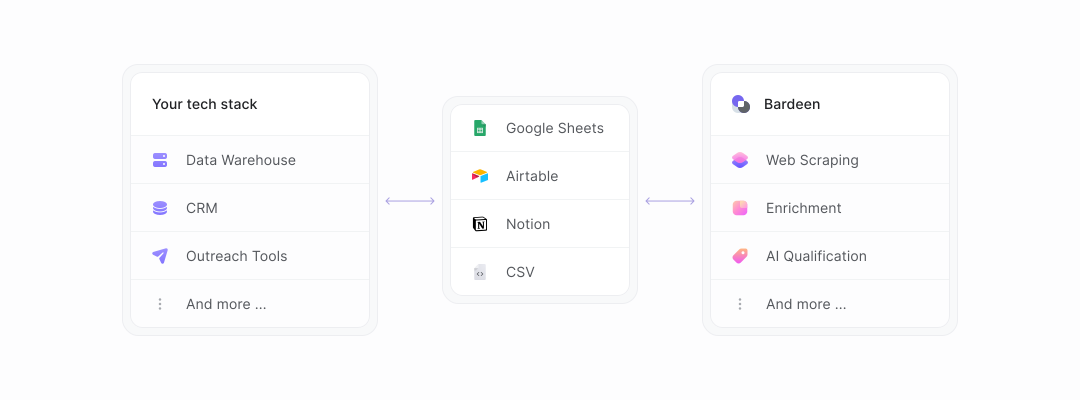
With our new Bardeen version, you can easily extract data from any website and discover new leads across the web. After extracting data from a website, use Bardeen’s powerful automation tools to validate and enrich your data, run additional scrapers on linked pages, or leverage AI to qualify leads and generate content automatically. Once your data is ready, you can easily export it to CSV, Google Sheets, Airtable, or Notion for further analysis and reporting.






SOC 2 Type II, GDPR and CASA Tier 2 and 3 certified — so you can automate with confidence at any scale.