This article compares Mailchimp and Salesloft as cold outreach tools, helping you choose the best tool by offering a detailed review of their features. While both tools offer more than just cold outreach capabilities, this review focuses solely on that aspect.
The motivation behind this comparison is to assist in selecting tools that save time on repetitive tasks, crucial for efficient workflow. Learn more about Bardeen, a task copilot that automates actions to save you time.
Salesloft offers a superior solution for businesses looking to orchestrate complex, multichannel campaigns across emails, phone calls, and social interactions with its robust scheduling system.
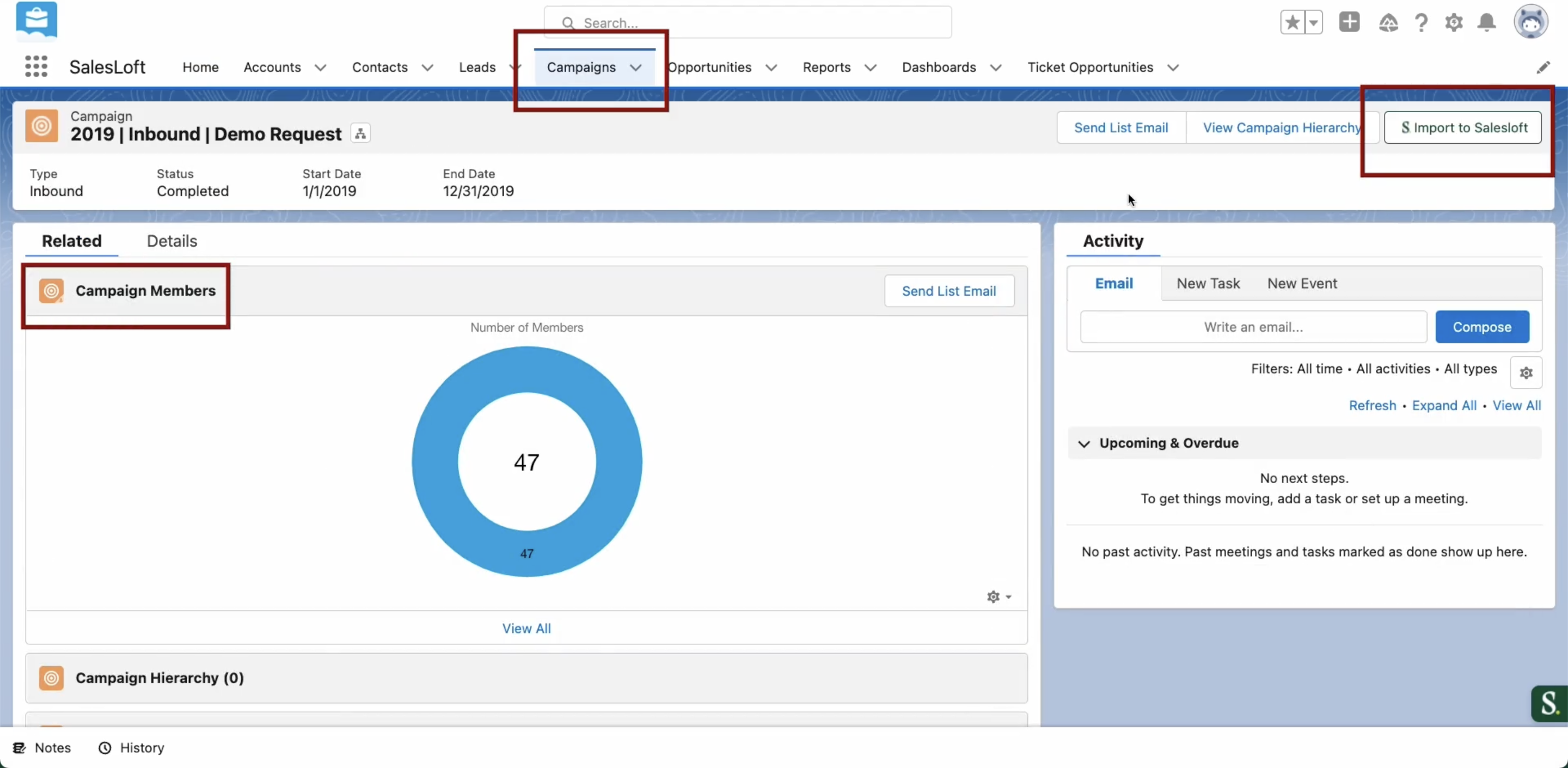
Mailchimp, while user-friendly and excellent for straightforward email marketing campaigns, lacks the integrated phone and social interaction capabilities that Salesloft provides. This makes Salesloft a better choice for teams requiring detailed, multi-touchpoint sequences that can adapt to various sales strategies and customer engagement models.
Also, using Bardeen to automate the creation of personalized outreach emails can significantly enhance your campaign's effectiveness by ensuring messages are tailored to the recipient's background and needs.
If you're managing a sales team that thrives on detailed, dynamic engagement strategies, Salesloft's comprehensive features will likely serve you better than Mailchimp's more basic approach.

Mailchimp, originally an email marketing platform, provides a user-friendly interface for creating and formatting emails using simple drag-and-drop tools. While it was not initially designed for cold outreach, some users leverage its capabilities for this purpose.
Key features of Mailchimp's campaign creation:
While Mailchimp may lack some of the advanced features and automation capabilities of dedicated sales engagement platforms, its simplicity and familiarity make it an accessible option for those new to email outreach or with limited technical resources.
Salesloft's Sequences feature provides a comprehensive solution for creating and managing multichannel sales campaigns. With a user-friendly interface and robust scheduling system, sales teams can effectively engage leads through a combination of emails, phone calls, and social interactions.
Key features of Salesloft's campaign creation:
Reddit users have reported mixed experiences with Salesloft's campaign creation feature:
👎 "Our reply rates on sequences are terrible" - r/sales
👍 "Gave me so much more confidence - I decided to go SalesLoft after all." - r/sales
When comparing Mailchimp and Salesloft in terms of email deliverability for sequences, each platform has its strengths and limitations. Mailchimp excels with a strong reputation for deliverability, largely due to its adherence to best email sending practices and robust analytics that help monitor email performance.
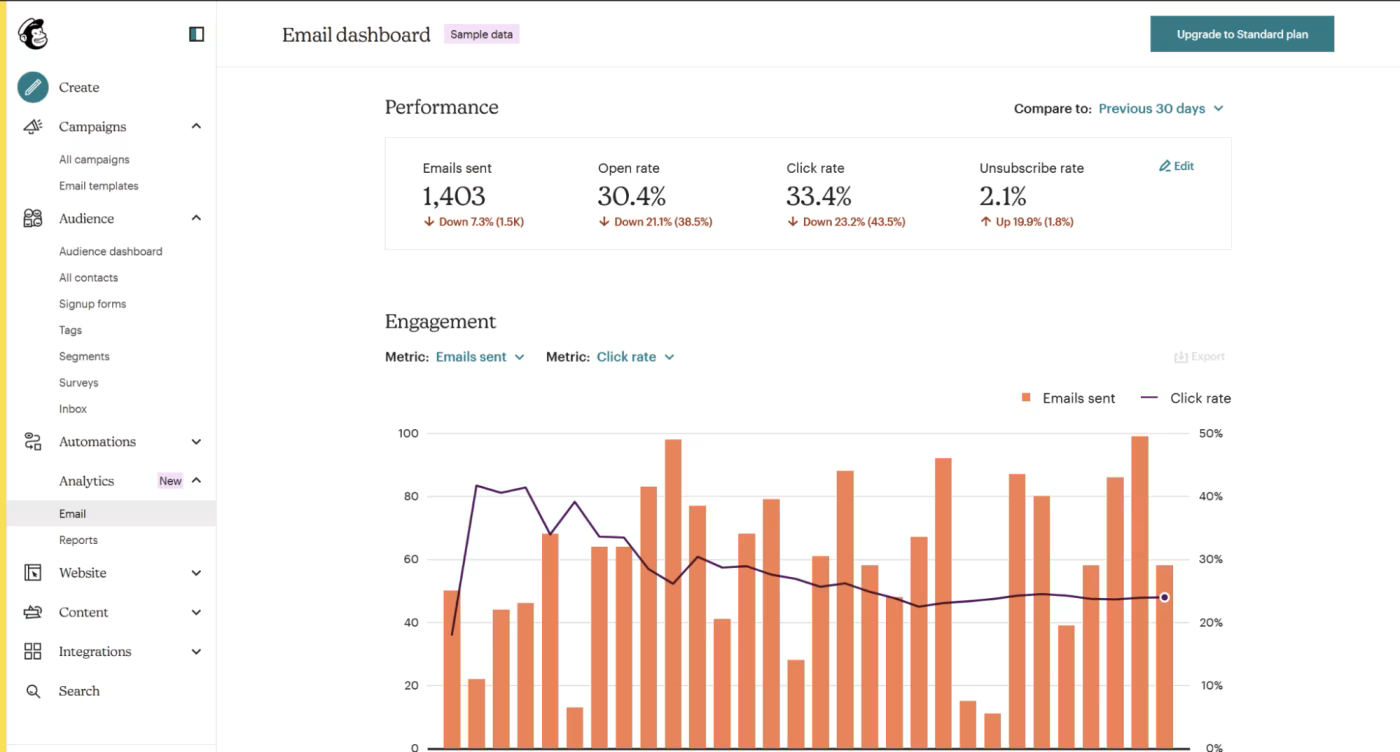
However, Mailchimp does not offer email warming services, which limits its use primarily to warm outreach to existing subscribers rather than cold outreach. On the other hand, Salesloft, while also not providing email warming services, uses strategies such as reputable IPs and a gradual increase in email volume to maintain deliverability.
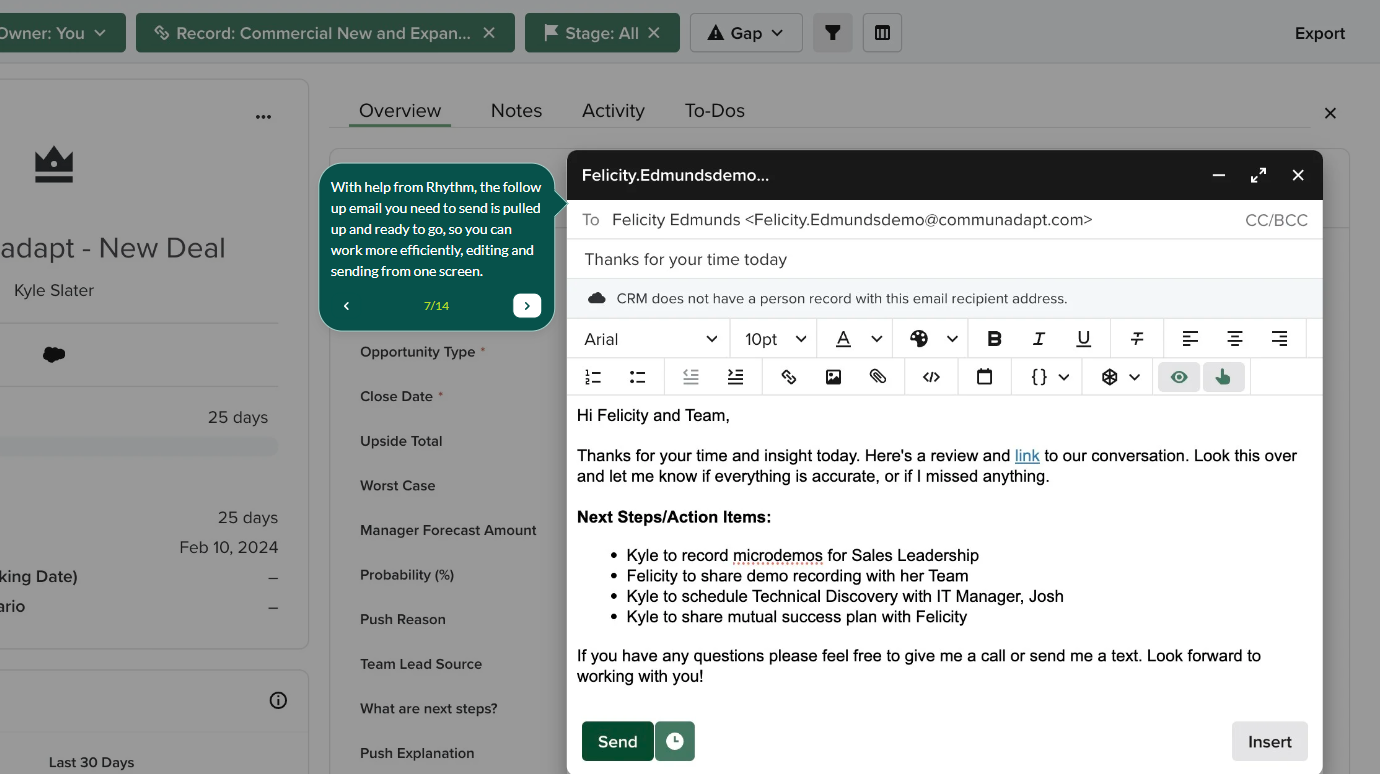
Given these features, Mailchimp is better suited for businesses focusing on nurturing existing contacts with high deliverability, while Salesloft might be preferable for those gradually scaling their outreach volumes without the need for initial warmup processes. Additionally, tools like Bardeen can be used to enhance personalization and automation, further aiding deliverability and engagement across both platforms.
Mailchimp is known for its strong reputation in email deliverability, thanks to its compliance with best practices for sending emails. The platform provides tools and features to help users maintain high deliverability rates and avoid spam filters.
However, it's important to note that Mailchimp does not offer email warming services, as the platform is primarily designed for sending emails to existing subscribers and warm contacts rather than cold outreach. Users are responsible for maintaining their own list hygiene and ensuring that their email content is engaging and relevant to their audience.
While Salesloft does not offer a dedicated email warming feature, it employs several strategies to maintain high deliverability rates for its users' email campaigns:
Reddit users have reported mixed experiences with Salesloft's deliverability:
👍 "Get Salesloft. I have all 3 and Hubspot is not even close on sales automation. Salesloft is much easier to use and adopt." - r/sales
😐 "Has anyone felt like their SalesLoft emails are going to the prospects spam folder at a higher rate than if you sent the same email out of Outlook?" - r/sales
When comparing the personalization features of Mailchimp and Salesloft, Salesloft takes a more dynamic approach by leveraging behavioral data and custom columns for personalization.
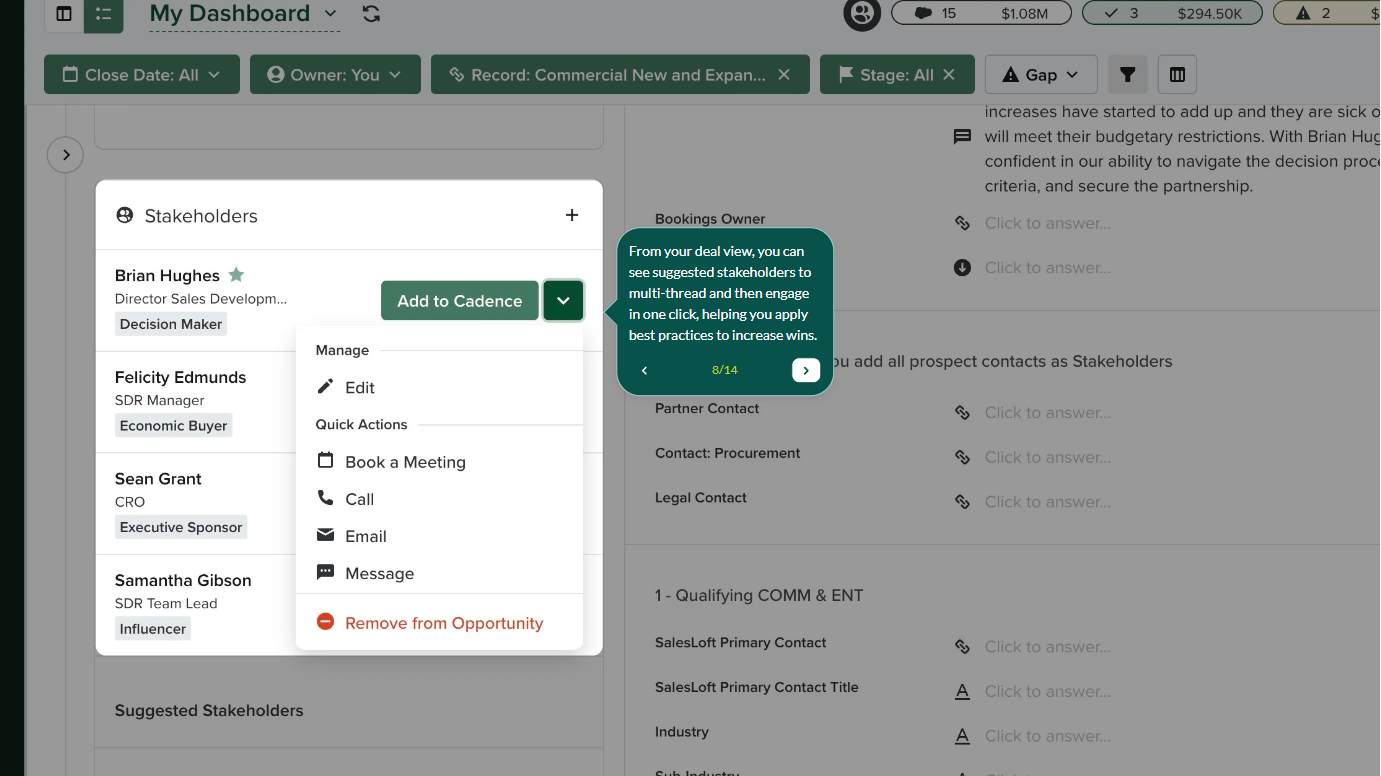
Mailchimp, however, focuses on static personalization options, utilizing merge tags and audience fields based on collected data. This allows for straightforward personalized communication but may not adapt as dynamically to lead behavior as Salesloft's system.
For organizations seeking advanced, behavior-driven email personalization, Salesloft provides a superior solution. However, for those needing basic personalization that is easy to implement, Mailchimp remains a solid choice. To enhance your personalization further, consider using Bardeen's AI to tailor outreach emails based on enriched lead data and crafted messaging.
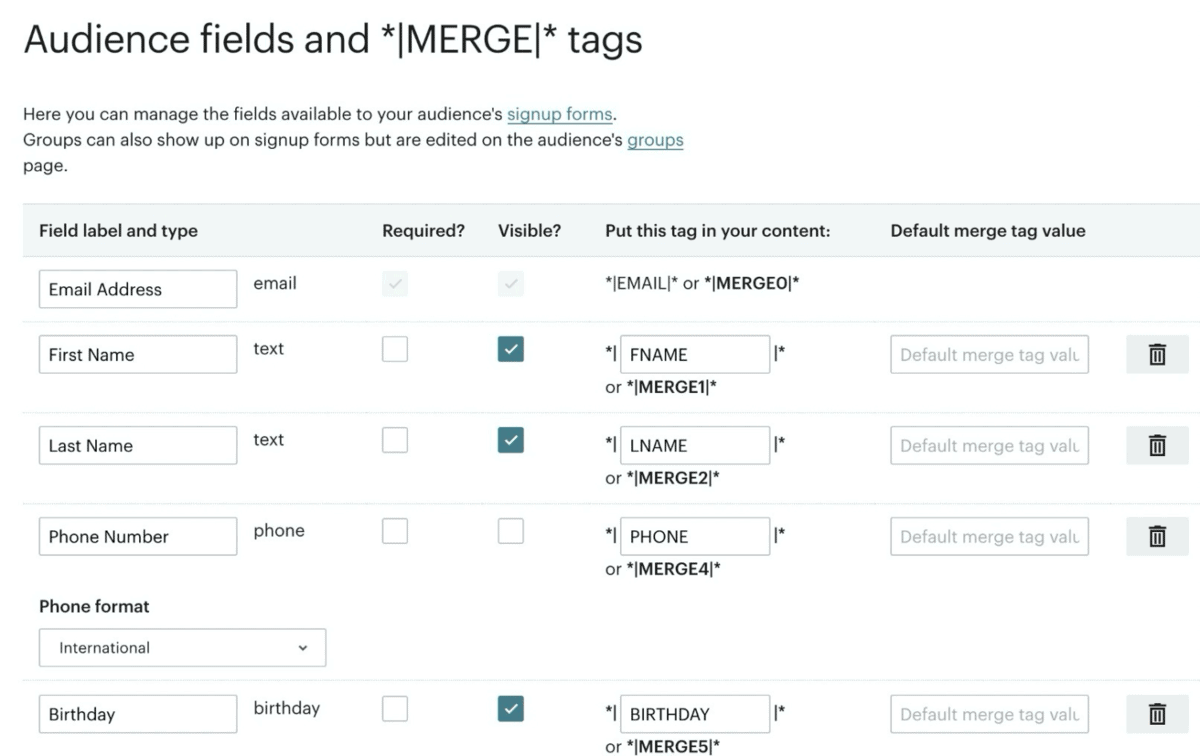
Mailchimp offers robust personalization options for email campaigns through the use of audience fields and merge tags. This allows you to tailor your messages to each individual lead based on the information you have collected about them.
Key personalization features:
Salesloft provides robust personalization capabilities within its Sequences feature, enabling sales teams to tailor their outreach to each lead's unique characteristics and behavior. By leveraging custom columns and behavioral data, Salesloft empowers users to craft highly relevant and engaging email campaigns.
Salesloft takes the upper hand with its extensive AI-driven features for personalizing email content and optimizing sales actions based on lead-specific data.

While Mailchimp does utilize AI to generate content, its capabilities are primarily focused on creating better email content without extending to personalized action suggestions or leveraging in-depth lead data. Salesloft's approach not only drafts emails but also suggests the next best actions using AI, which can significantly enhance lead engagement and sales efficiency.
For sales teams looking for a comprehensive AI-driven solution to both create targeted emails and manage leads more effectively, Salesloft's robust AI features provide a clear advantage.
Moreover, using Bardeen, you can automate email tasks further and integrate insights from Salesloft to streamline your sales processes effectively.
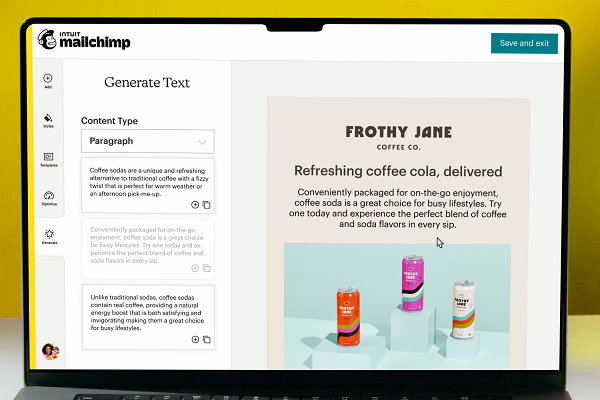
Mailchimp offers an AI-powered content generator that helps craft compelling email copy for campaigns. This feature leverages artificial intelligence to provide suggestions and assist in writing more effective emails.
Key aspects of the AI content generator:
By utilizing AI to generate email content, Mailchimp aims to simplify the process of creating engaging campaigns while maintaining a professional and effective tone. This feature can save time and effort for marketers looking to optimize their email marketing efforts.
Salesloft leverages AI extensively to personalize emails and suggest actions for each lead based on natural language processing (NLP). This AI-driven approach helps sales teams prospect more efficiently and effectively engage with their contacts.
Key AI features in Salesloft:
Neither Mailchimp nor Salesloft offer native lead enrichment within their Sequences feature, requiring users to rely on integrations with external tools for deeper lead insights.
Mailchimp, while primarily an email marketing platform, lacks built-in capabilities for lead enrichment, pushing users towards integrating with third-party data providers. This approach can be cumbersome as it may require additional setup and management, potentially complicating workflows for users who need streamlined lead data integration.
Salesloft also lacks native enrichment but supports a wide range of integrations with services that can provide additional data on leads. This flexibility allows users to tailor their data enrichment strategy by connecting with external data providers, potentially offering a more seamless integration experience compared to Mailchimp.
For teams needing efficient lead enrichment without native support, using Bardeen to automate manual information gathering workflows can be a practical solution. This approach enhances productivity by reducing manual data entry and offering more comprehensive insights into lead behavior and characteristics.
Considering the integration capabilities and the need for comprehensive lead data, Salesloft might be more advantageous for users seeking flexible and efficient ways to enrich lead information within their sales sequences.
Mailchimp, as a sales engagement tool, does not offer native enrichment capabilities. This means that to gather additional data on leads, such as buyer signals from other sources, users must rely on integrations with external tools.
While Mailchimp provides a robust platform for email marketing and automation, the lack of built-in lead enrichment features may be a drawback for some users who require a more comprehensive view of their prospects.
To access lead enrichment data, Mailchimp users can:
Despite the absence of native enrichment, Mailchimp's extensive integration ecosystem allows users to extend its functionality and gather the necessary data to inform their sales engagement strategies. However, this may require additional setup and management compared to platforms with built-in lead enrichment features.
Salesloft does not offer native lead enrichment capabilities within its Sequences feature. However, it supports integrations with third-party services that can provide additional data and insights on your leads, helping you gain a more comprehensive understanding of your potential buyers.
While native enrichment is not available, Salesloft's integration options still allow users to:
When comparing Mailchimp and Salesloft in terms of social automation capabilities within their sales engagement platforms, both tools show limitations but focus on different aspects.
Mailchimp allows users to integrate social media for cross-posting and managing ads, but it does not support using social media for lead enrichment. This could limit its usefulness for sales teams looking to leverage social media insights directly into their campaigns.
On the other hand, Salesloft does not offer the capability to send LinkedIn messages as part of email sequences or campaigns, which could be a significant drawback for sales teams that rely heavily on LinkedIn for outreach and engagement.
If leveraging social media data is crucial for your sales strategy, particularly for enriching lead data or automating interactions, you may find both platforms lacking. In such cases, using Bardeen might be beneficial as it can retrieve information from social platforms for enrichment and automate interactions, currently in Beta.
Mailchimp, as a sales engagement tool, offers some social media integration capabilities. However, these are primarily focused on cross-posting content and managing social media ads rather than enriching lead data.
While Mailchimp does provide some social media functionality, it may not be as comprehensive as other tools specifically designed for social media automation and lead enrichment.
Salesloft does not currently offer the ability to send LinkedIn messages as part of email sequences or campaigns. While Salesloft provides robust email automation features, social media automation, particularly for LinkedIn, is not supported within the platform.
If LinkedIn outreach is a critical component of your sales engagement strategy, you may need to explore alternative solutions or use LinkedIn's native messaging tools alongside Salesloft's email sequences.
Mailchimp provides a clearer and more accessible pricing structure compared to Salesloft, making it more convenient for potential users to understand and choose the right plan without needing to contact sales.
Mailchimp offers a free plan and multiple paid options that scale with feature access and usage limits, appealing to a wide range of business sizes. Their pricing is based on features and usage limits rather than per seat, and all plans can be purchased directly online without the need for sales contact.
Salesloft, on the other hand, does not offer a free trial and requires potential users to contact their sales team for pricing, which may deter some businesses looking for quick and easy access to pricing information. Their tiered feature access and per-user pricing model cater more to enterprises or larger sales teams that need customized solutions.
For businesses seeking transparent pricing and immediate plan activation without the hassle of sales negotiations, Mailchimp's straightforward and accessible pricing model offers a significant advantage. Additionally, for enhancing your marketing campaigns, consider using Bardeen’s playbook to enrich email contacts and save them directly to Google Sheets.
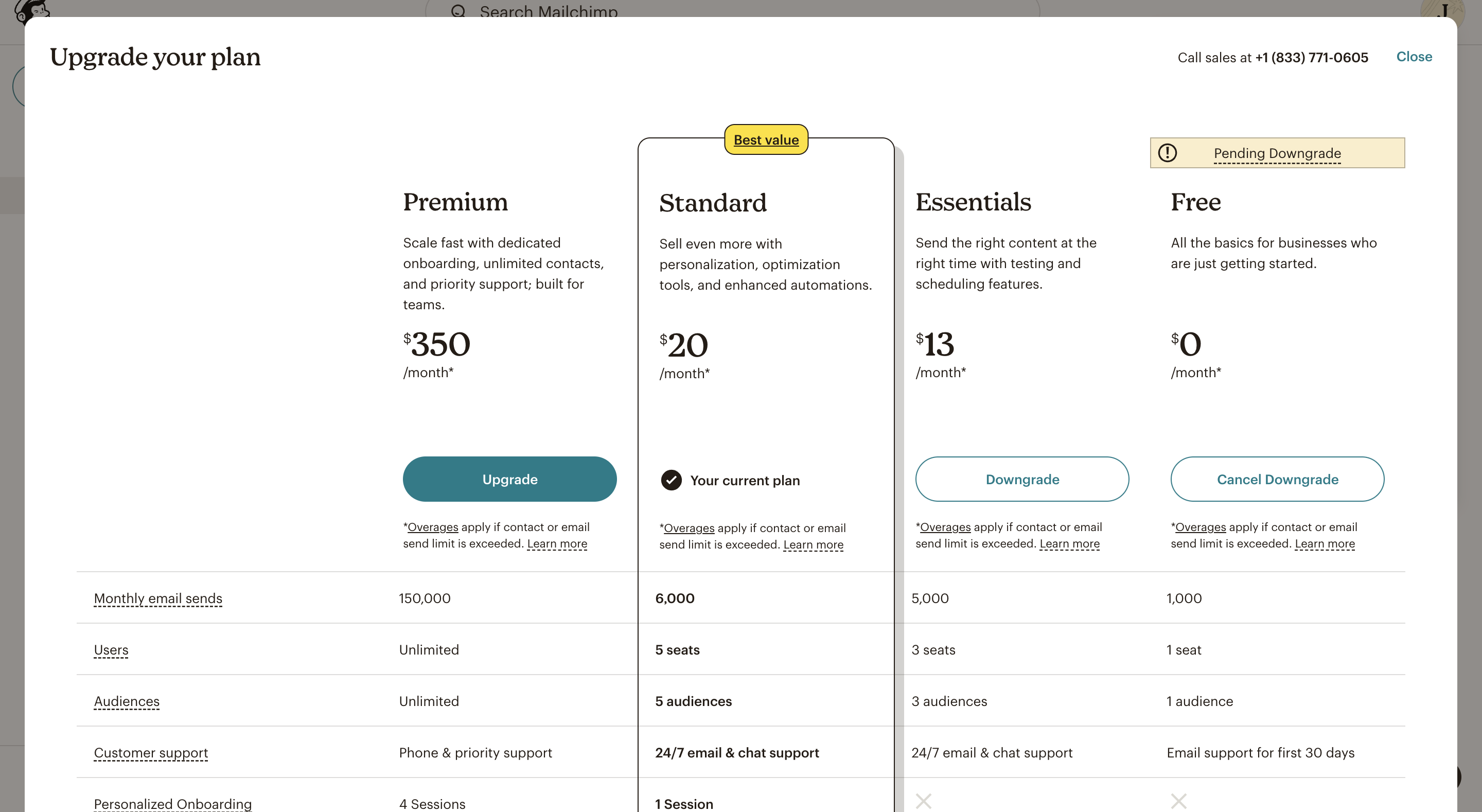
Mailchimp provides a range of pricing options to suit different business needs, from a free plan for those just starting out to more advanced paid tiers with additional features and higher usage limits.
The free plan includes basic features for up to 1,000 contacts and 1 audience, making it suitable for small businesses or those new to email marketing. Paid plans start at $13/month for the Essentials tier, offering more advanced features like A/B testing and scheduling, followed by the Standard plan at $20/month with additional optimization tools and enhanced automations. The Premium plan at $350/month is designed for teams, providing unlimited contacts, users, and audiences, as well as priority support and personalized onboarding.
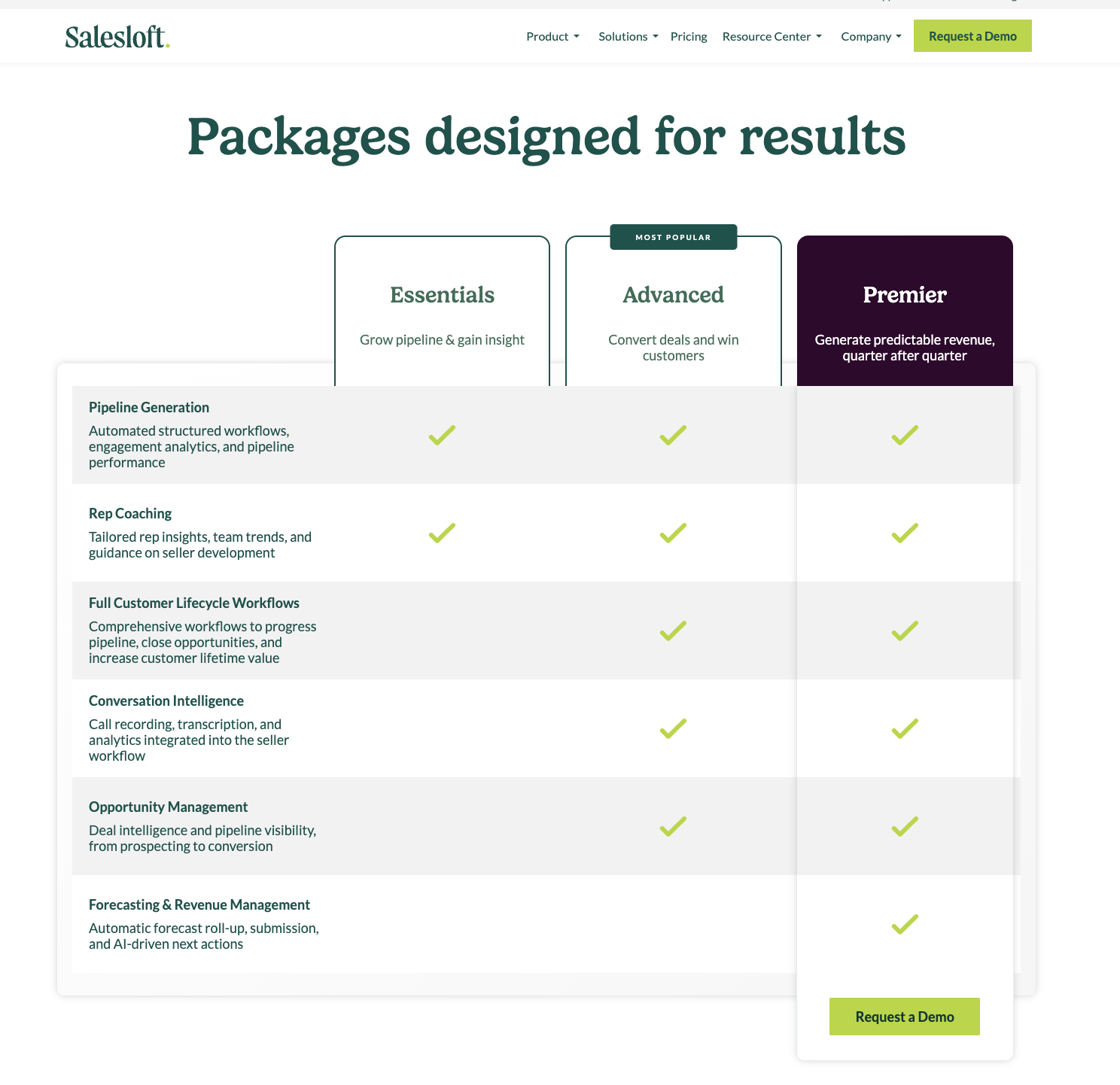
Salesloft offers three pricing tiers designed to meet the needs of different sales teams: Essentials, Advanced, and Premier. The company does not provide a free trial, and pricing details are not publicly listed on their website. To get started with Salesloft, you need to contact their sales team for a customized quote based on your specific requirements.
Key aspects of Salesloft's pricing:
Salesloft's pricing model may not be ideal for smaller teams or those looking to trial the software before purchasing. However, their tiered plans allow for a customized solution that can grow with your team's needs.







SOC 2 Type II, GDPR and CASA Tier 2 and 3 certified — so you can automate with confidence at any scale.