If you're working with Excel, check out our GPT in Spreadsheets. It helps automate data analysis and formula creation, saving you time.
Integrating ChatGPT with Excel opens up a world of possibilities for advanced data analysis and automation. By combining the power of AI with the versatility of spreadsheets, users can streamline complex tasks, generate dynamic formulas, and uncover deep insights from their data. In this blog post, we'll explore how to set up ChatGPT in Excel, utilize AI for formula creation, and apply advanced data analysis techniques to take your spreadsheet management to the next level. Automating repetitive tasks with AI-powered tools like Bardeen can further enhance your productivity and save you time.
Introduction to ChatGPT and Excel Integration
Integrating ChatGPT with Excel revolutionizes data analysis and spreadsheet management by harnessing the power of AI. This integration enables users to streamline complex tasks, automate formula creation, and uncover valuable insights from their data effortlessly. Automating repetitive tasks with ChatGPT saves time and boosts productivity.
Key benefits of integrating ChatGPT with Excel include:
Enhanced data analysis capabilities
Automated formula generation
Simplified handling of complex spreadsheets
Improved decision-making through AI-powered insights
By leveraging natural language processing, ChatGPT understands user queries and provides accurate responses, making it easier to navigate and utilize Excel's features. This integration empowers users to focus on high-value tasks while ChatGPT handles the technical heavy lifting. Excel's built-in tools, combined with ChatGPT's AI capabilities, create a powerful synergy for data-driven professionals.
Setting Up ChatGPT with Excel
To integrate ChatGPT into Excel, follow these steps:
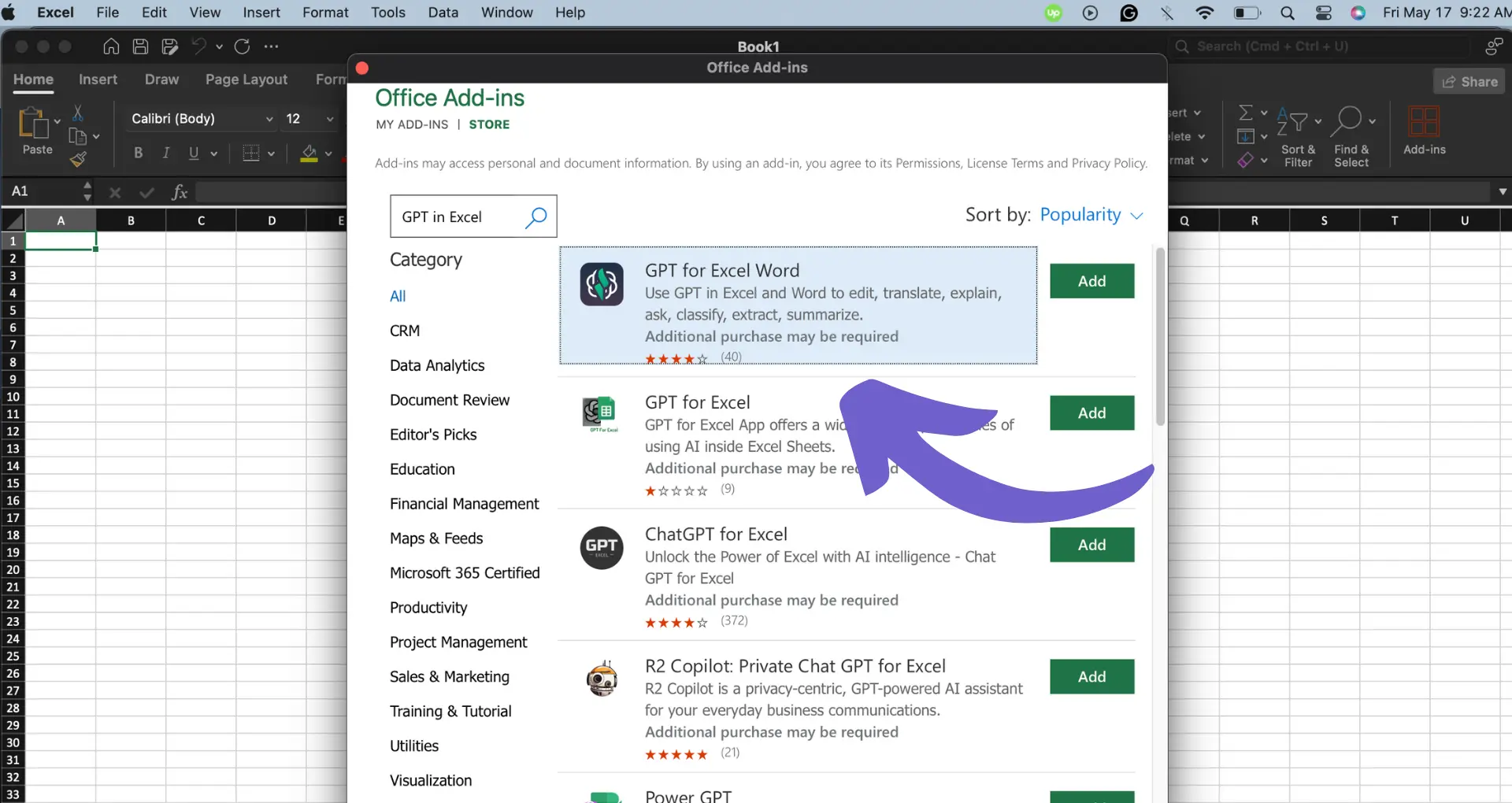
Open Excel and click on the ChatGPT tab in the ribbon.
Enter your OpenAI API key. If you don't have one, sign up at platform.openai.com to get your secret key.
Configure Excel settings to optimize ChatGPT for data tasks. This includes selecting the appropriate language model and adjusting parameters like temperature and max tokens.
Alternatively, you can use VBA code or an Excel function to integrate ChatGPT. This method automates repetitive tasks but requires more technical setup compared to the add-in.
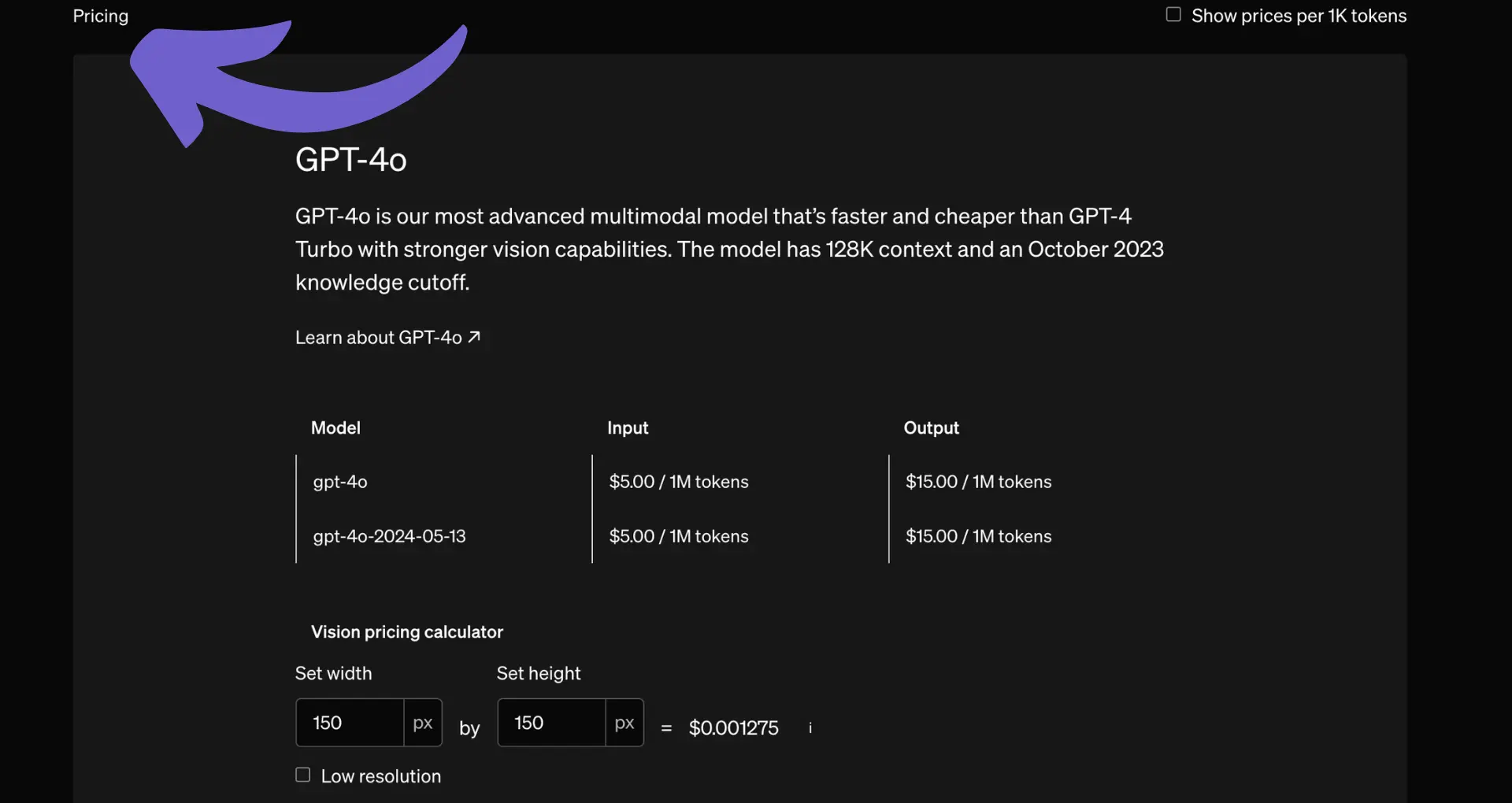
Keep in mind that while the ChatGPT plugin is free, OpenAI API usage incurs low costs based on monthly usage. Refer to OpenAI's pricing documentation for details.
Utilizing AI for Dynamic Formula Generation
ChatGPT can transform natural language queries into complex Excel formulas, simplifying the process of creating formulas for various analytical tasks. Here's how it works:
Open your Excel spreadsheet and navigate to ChatGPT.
Describe the desired formula in plain language. For example, "Create a formula to calculate the average sales revenue for the past 12 months."
ChatGPT will generate the appropriate Excel formula based on your query.
Copy the generated formula and paste it into the relevant cell in your spreadsheet.
Adjust cell references as needed to match your data layout.
This AI-powered approach to formula creation eliminates the need for users to have extensive knowledge of Excel functions and syntax. Some examples of formulas ChatGPT can generate include:
Financial formulas: Calculating net present value (NPV), internal rate of return (IRR), or loan amortization schedules.
Statistical formulas: Determining standard deviation, correlation coefficients, or performing t-tests.
Date and time formulas: Extracting specific date components or calculating the difference between dates.
ChatGPT can be a powerful tool for advanced data analysis in Excel, enabling users to uncover deep insights and make data-driven decisions. Here are some ways ChatGPT enhances data analysis:
Predictive Analytics: By leveraging machine learning algorithms, ChatGPT can help predict future trends and outcomes based on historical data. This can be particularly useful for sales forecasting, resource planning, and risk assessment.
Pattern Recognition: ChatGPT can identify hidden patterns and relationships within large datasets, revealing insights that may not be immediately apparent through traditional analysis methods. This can help users spot anomalies, detect fraud, or identify new opportunities.
Trend Analysis: With its natural language processing capabilities, ChatGPT can analyze text-based data to identify emerging trends and sentiments. This can be valuable for market research, customer feedback analysis, and social media monitoring.
ChatGPT also enhances Excel's built-in features like the Analyze Data tool, providing more comprehensive and accurate results. By integrating ChatGPT with Excel, users can:
Ask complex questions about their data using natural language queries
Receive instant insights and recommendations based on the data
Visualize data in new ways to uncover hidden patterns and trends
When using ChatGPT with Excel, it's essential to follow best practices to ensure accurate and reliable results. Here are some tips:
Phrase your queries clearly and concisely, providing necessary context for ChatGPT to understand your request
Validate AI-generated results by cross-checking with other data sources or manual calculations
Use ChatGPT as a tool to augment your analysis, not replace human judgment and expertise
While ChatGPT can significantly enhance your Excel experience, it's important to be aware of its limitations:
ChatGPT may struggle with understanding complex or ambiguous data, requiring human intervention to clarify and guide the analysis
The tool relies on the quality and accuracy of the input data, so ensure your datasets are clean and well-structured
ChatGPT's outputs are based on patterns and correlations, which may not always reflect causality or real-world dynamics
To optimize your use of ChatGPT with Excel, consider automating key tasks such as data entry, formatting, and reporting. This can help you focus on higher-value activities like interpreting insights and making strategic decisions.
Remember, while ChatGPT is a powerful tool, it's not a replacement for human expertise. By combining the efficiency of AI with your own domain knowledge and critical thinking skills, you can unlock new levels of productivity and insight in your Excel workflows.

SOC 2 Type II, GDPR and CASA Tier 2 and 3 certified — so you can automate with confidence at any scale.
Frequently asked questions
What is Bardeen?
Bardeen is an automation and workflow platform designed to help GTM teams eliminate manual tasks and streamline processes. It connects and integrates with your favorite tools, enabling you to automate repetitive workflows, manage data across systems, and enhance collaboration.
What tools does Bardeen replace for me?
Bardeen acts as a bridge to enhance and automate workflows. It can reduce your reliance on tools focused on data entry and CRM updating, lead generation and outreach, reporting and analytics, and communication and follow-ups.
Who benefits the most from using Bardeen?
Bardeen is ideal for GTM teams across various roles including Sales (SDRs, AEs), Customer Success (CSMs), Revenue Operations, Sales Engineering, and Sales Leadership.
How does Bardeen integrate with existing tools and systems?
Bardeen integrates broadly with CRMs, communication platforms, lead generation tools, project and task management tools, and customer success tools. These integrations connect workflows and ensure data flows smoothly across systems.
What are common use cases I can accomplish with Bardeen?
Bardeen supports a wide variety of use cases across different teams, such as:
Sales: Automating lead discovery, enrichment and outreach sequences. Tracking account activity and nurturing target accounts.
Customer Success: Preparing for customer meetings, analyzing engagement metrics, and managing renewals.
Revenue Operations: Monitoring lead status, ensuring data accuracy, and generating detailed activity summaries.
Sales Leadership: Creating competitive analysis reports, monitoring pipeline health, and generating daily/weekly team performance summaries.