Unlocking the power of ChatGPT for Excel users has never been easier. This step-by-step guide will walk you through the process of uploading your Excel files to ChatGPT, enabling you to leverage the AI's capabilities for data analysis, query answering, and complex calculations. By following these simple steps, you can seamlessly integrate your spreadsheet data with ChatGPT and gain valuable insights to drive your business forward.
Bardeen, a workflow platform powered by AI, can help you automate repetitive tasks across your apps and tabs, saving you time and effort.

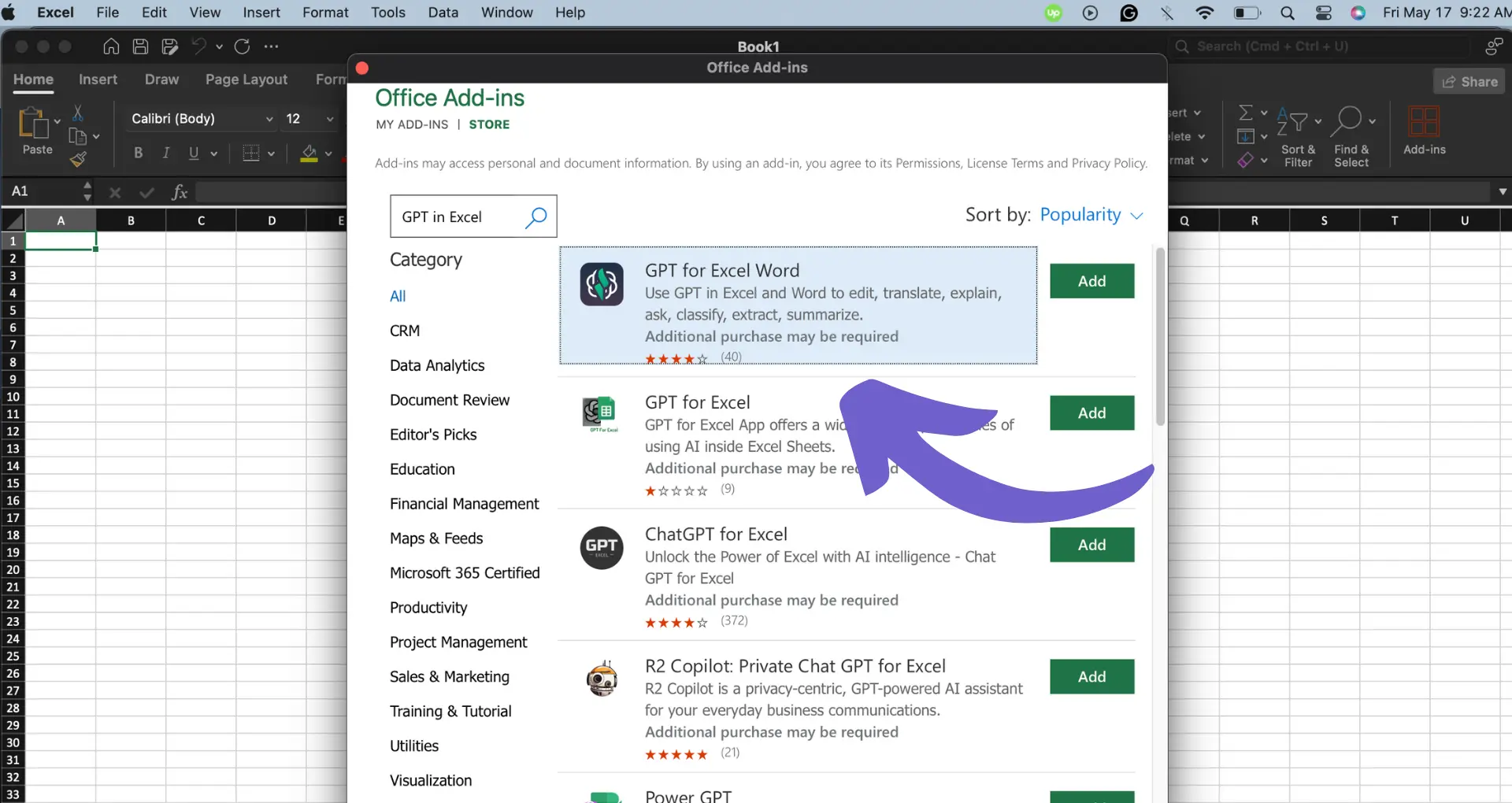
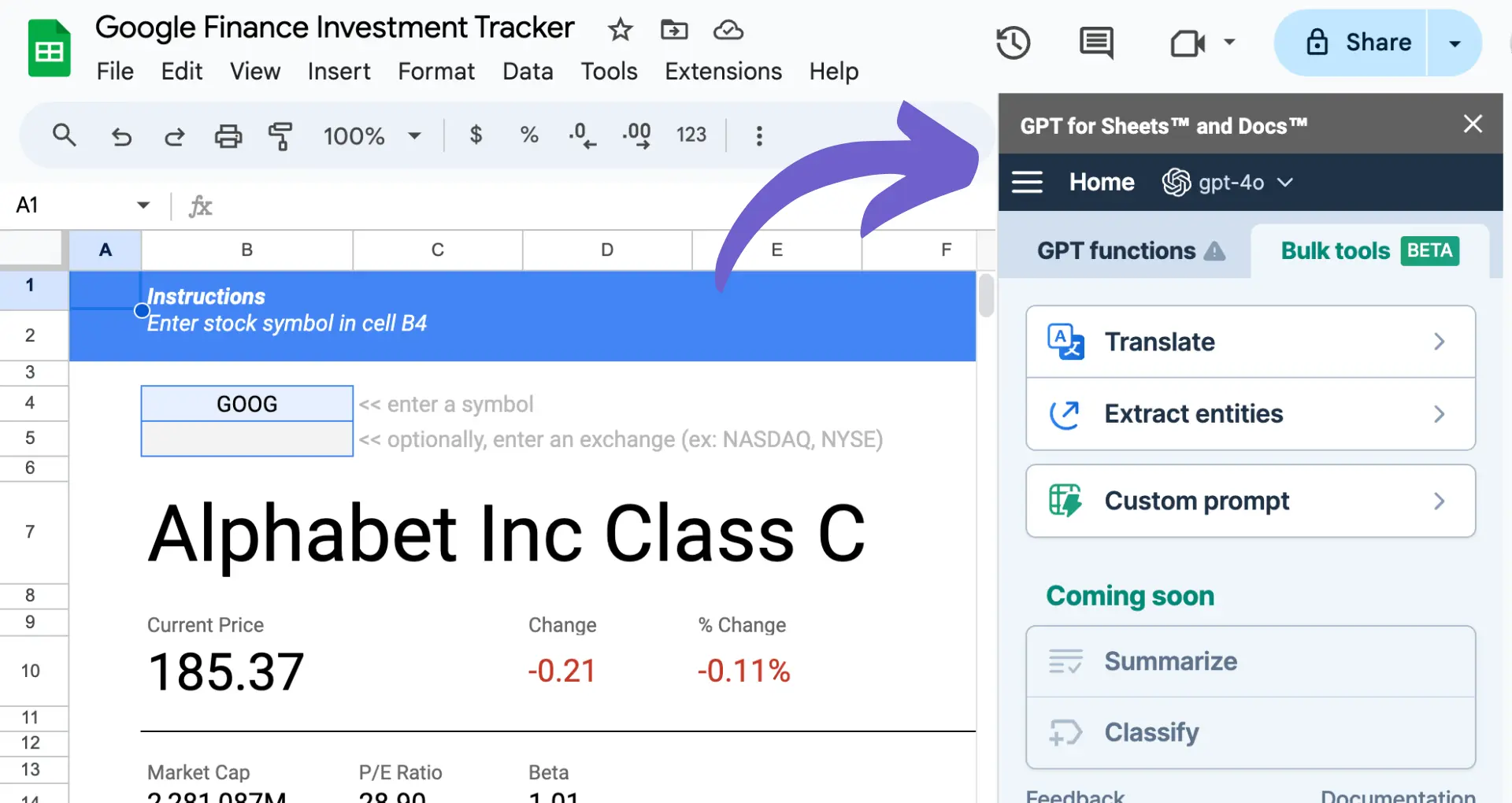
ChatGPT, a powerful language model, can revolutionize the way you work with Microsoft Excel. By integrating ChatGPT with Excel, you can:
ChatGPT understands natural language queries, allowing you to ask questions about your Excel data and receive accurate answers. It can help you identify trends, patterns, and anomalies in your spreadsheets, enabling data-driven decision making.
Some key functionalities ChatGPT offers Excel users include:
By leveraging ChatGPT's natural language processing capabilities, you can streamline your Excel workflows and extract valuable insights from your data. This powerful integration empowers you to work smarter, not harder, and make informed decisions based on comprehensive data analysis.
Before uploading your Excel file to ChatGPT, it's essential to optimize the data for compatibility and ensure accurate processing. Here are some tips:
When dealing with sensitive information, it's crucial to anonymize or remove any confidential data before uploading. Consider the following privacy measures:
By optimizing and preparing your Excel data, you can ensure that ChatGPT accurately processes and analyzes the information, providing you with valuable insights and assistance.
Follow these steps to upload your Excel file to ChatGPT:
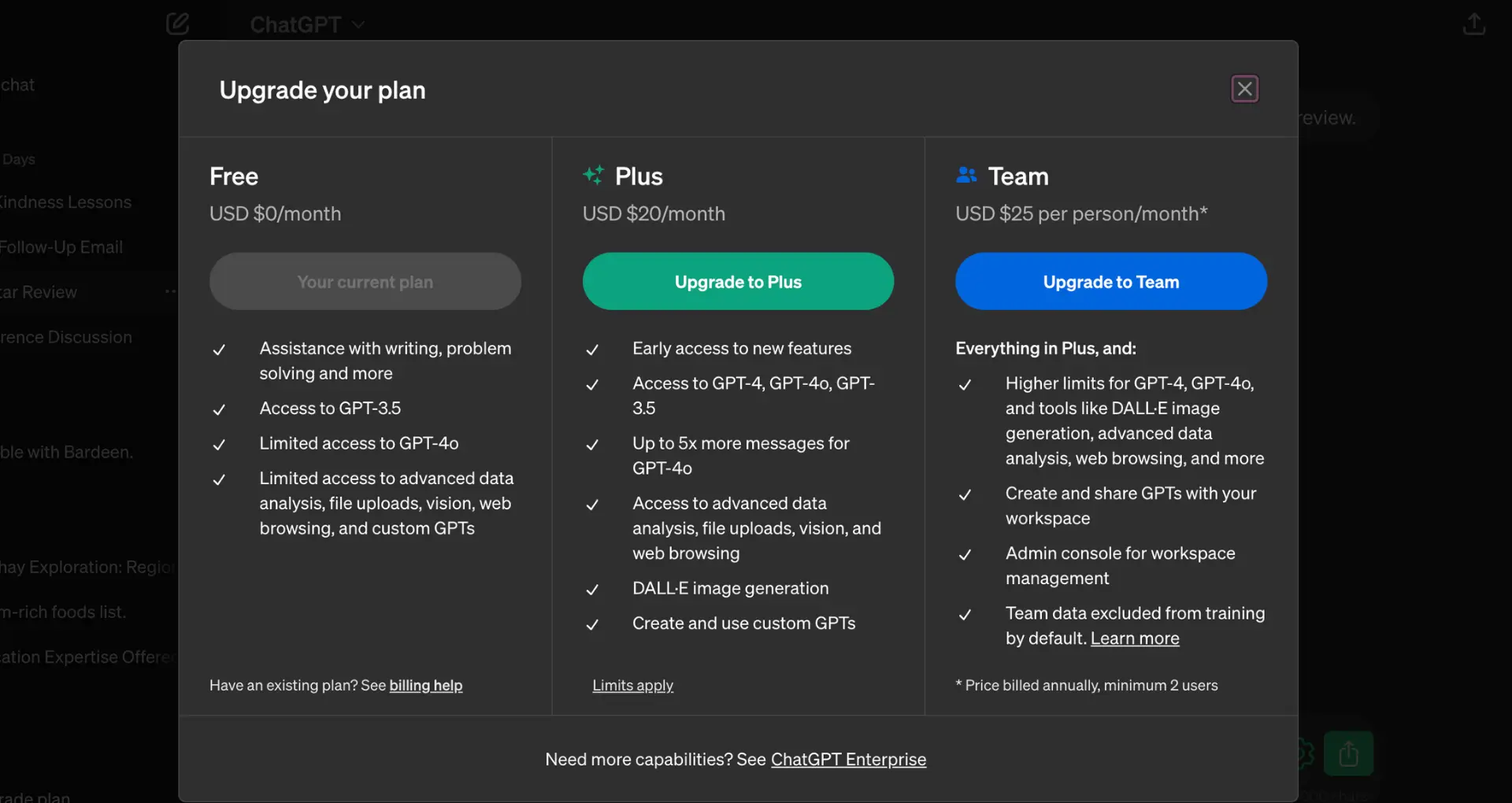
Note that there may be file size limits and format restrictions. If you encounter issues, try the following:
By following these steps and addressing common issues, you can successfully upload your Excel file to ChatGPT for advanced data analysis and insights.
After uploading your Excel file to ChatGPT, you can take advantage of its advanced analysis capabilities to gain valuable insights from your data. Here's how to interpret and utilize ChatGPT's output:
.gif)
To further leverage ChatGPT's analysis, you can export the insights back into Excel or other formats:
By combining ChatGPT's powerful analysis with the flexibility of Excel, you can streamline your data-driven decision-making process and uncover valuable insights more efficiently than ever before.









SOC 2 Type II, GDPR and CASA Tier 2 and 3 certified — so you can automate with confidence at any scale.