Sending mass emails in Salesforce is a powerful way to reach your target audience and drive engagement. In this comprehensive guide, we'll walk you through the step-by-step process of setting up and executing effective mass email campaigns using Salesforce's latest features and best practices. Whether you're new to Salesforce or looking to optimize your existing email marketing strategy, this 2024 update will provide you with the tools and knowledge you need to succeed.
Salesforce is a powerful CRM platform that offers robust mass emailing capabilities. By utilizing Salesforce for your email campaigns, you can:
In recent years, Salesforce has introduced significant updates to its mass emailing functionality. These updates include:
By transitioning from traditional email marketing methods to Salesforce's cutting-edge features, you can take your mass emailing strategy to the next level. In the following sections, we'll guide you through the process of setting up and executing effective mass email campaigns within Salesforce.
Before you start sending mass emails through Salesforce, it's crucial to configure your environment for optimal deliverability. Follow these steps:
To verify your email addresses:
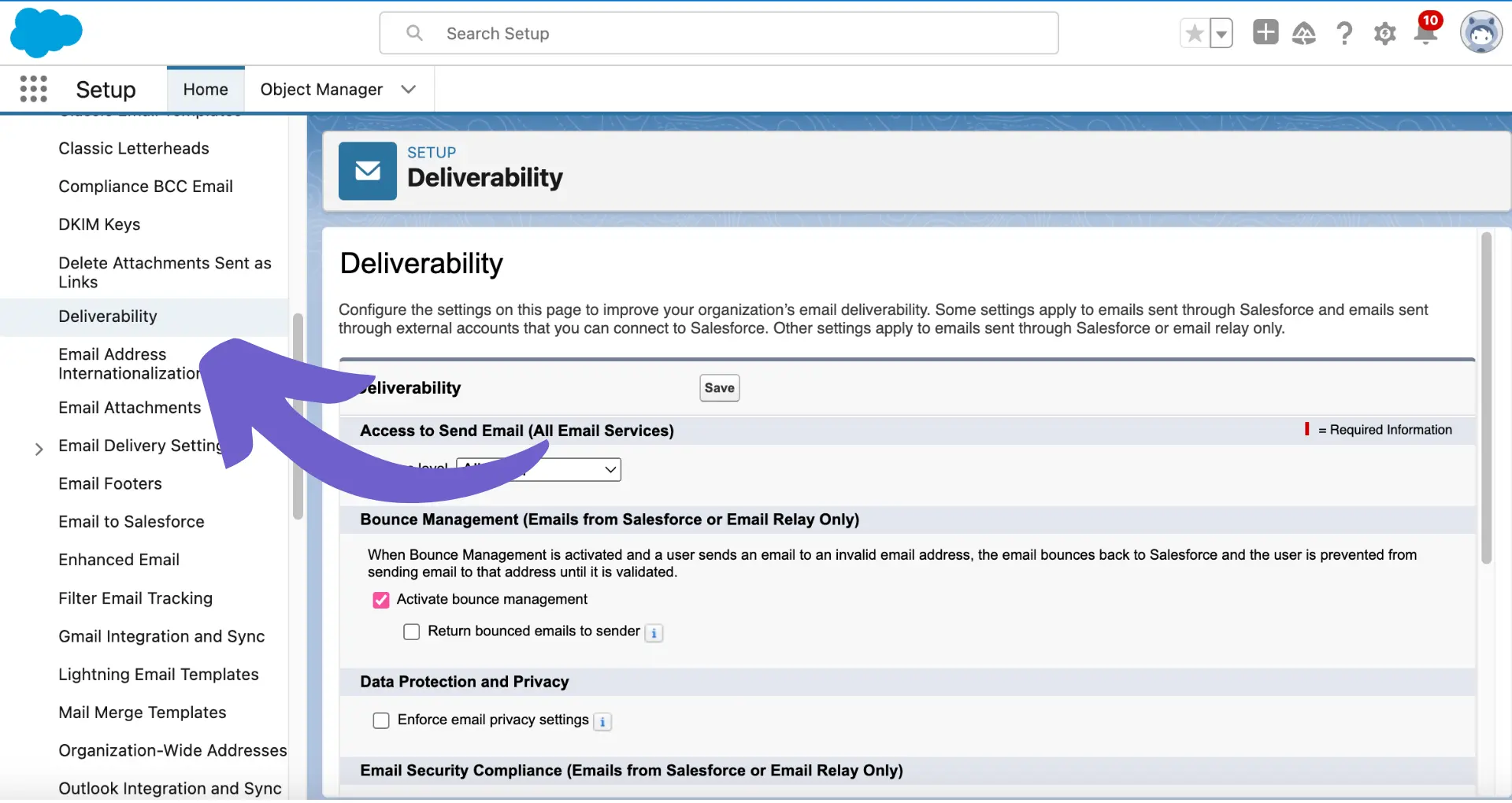
To set up domain authentication:
By properly configuring your Salesforce environment, you'll lay the foundation for successful mass email campaigns with high deliverability rates.
Save time by automating your email outreach with Bardeen's playbook. With just a click, you streamline your communication process effortlessly.
Segmenting your email lists is essential for targeted marketing efforts. Here's how to create and manage email lists in Salesforce:
To ensure high engagement rates, regularly maintain and update your email lists:
By creating targeted, clean email lists, you'll improve your email deliverability and overall campaign performance.
Salesforce offers a variety of email templates to streamline your mass mailing efforts. To access these templates:
To make your emails more engaging and relevant, incorporate dynamic content and personalization fields:
Save time by automating your email outreach with Bardeen's playbook. With just a click, you streamline your communication process effortlessly.
By leveraging Salesforce's email templates and personalization features, you can create targeted, effective mass email campaigns that resonate with your audience.
To create compelling mass emails that engage your audience and drive results, focus on these key elements:
To continually refine your email marketing strategies, conduct A/B testing on various components of your emails, such as:
By testing different variations and analyzing the results, you can identify which elements resonate best with your audience and improve your email performance over time.
Salesforce offers powerful automation tools that can help you streamline your mass email campaigns. With these tools, you can:
To get started with email automation in Salesforce, follow these steps:
By automating your mass email campaigns, you can save time, ensure consistent messaging, and deliver targeted content to your audience at the right time.
Save time by automating your email outreach with Bardeen's playbook. With just a click, you streamline your communication process effortlessly.
Salesforce provides robust built-in analytics tools to help you track and analyze the performance of your mass email campaigns. By monitoring key metrics such as open rates, click-through rates, and conversions, you can gain valuable insights into the effectiveness of your emails and make data-driven decisions to optimize future campaigns.
To access email campaign analytics in Salesforce:
By analyzing these metrics, you can identify areas for improvement and make adjustments to your email campaigns, such as:
Regularly monitoring and interpreting your email campaign metrics is crucial for continually refining and improving your mass email strategy in Salesforce.
To take your Salesforce mass email campaigns to the next level, consider integrating with external email marketing platforms. This can provide enhanced capabilities and features not available natively within Salesforce.
Some popular email marketing platforms that integrate with Salesforce include:

These integrations allow you to sync contact data between Salesforce and the email platform, enabling more advanced segmentation and personalization options. You can also take advantage of additional email templates, automation workflows, and reporting features offered by these tools.
Another way to enhance your Salesforce email campaigns is by leveraging AI-driven content customization. Tools like Salesforce Einstein can analyze recipient data and behavior to dynamically adjust email content for each individual. This level of personalization can significantly improve engagement and conversion rates.
Predictive analytics is another powerful strategy for optimizing your mass emails. By analyzing past campaign data and recipient behavior, predictive models can help you identify the best times to send emails, which subject lines are most effective, and which content resonates best with specific segments of your audience.
When considering third-party integrations or advanced features, it's important to evaluate your specific needs and budget. Some tools may require additional costs or technical setup, so be sure to assess the potential ROI before implementing them into your Salesforce email strategy.
Effortlessly send emails to Salesforce contacts using Bardeen's playbook. Streamline your communication process and reach out to prospects with ease.









SOC 2 Type II, GDPR and CASA Tier 2 and 3 certified — so you can automate with confidence at any scale.