Importing leads into Salesforce is a critical task for managing your sales pipeline and ensuring your sales team has all the necessary information to engage with potential customers effectively. This guide covers various methods to import leads, including using CSV files, Salesforce Lightning, and integrating leads from LinkedIn and Excel.
Automate your Salesforce lead management with Bardeen. Download now and streamline your process.
To import leads into Salesforce, navigate to the Leads tab, scroll to the Tools panel, and click the Import Leads link. Then, launch the wizard, select 'Leads' and 'Add new records', specify any additional information like lead source or assignment rule, and upload your data file. After mapping fields and confirming the data, start the import. Once complete, the new leads will appear on the Leads tab.
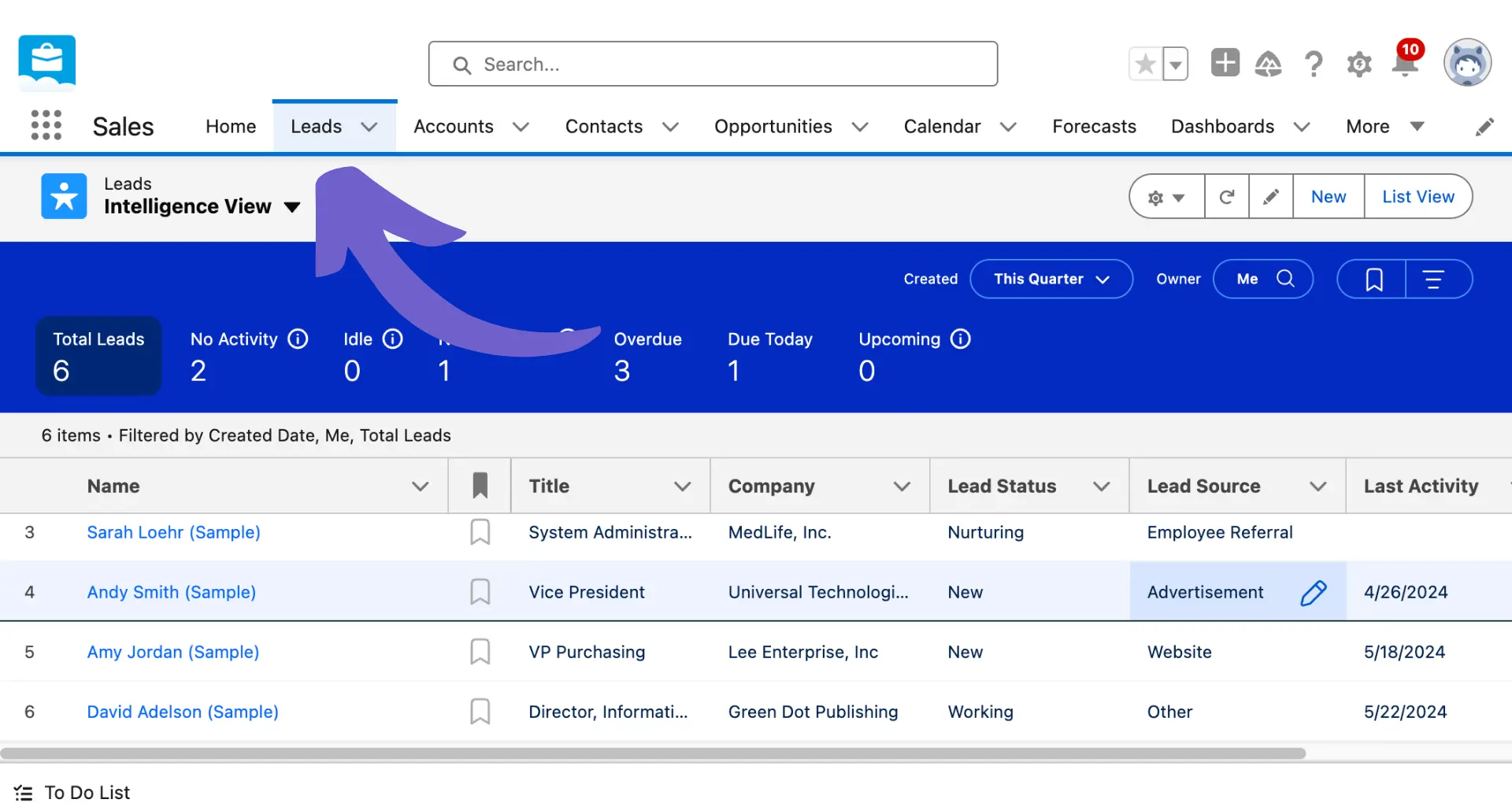
For importing leads from a CSV file, prepare your file by ensuring data accuracy, removing duplicates, and matching column headers to Salesforce field names. Save the file as a CSV and use the Data Import Wizard in Salesforce to upload the file, map fields, and import the leads.
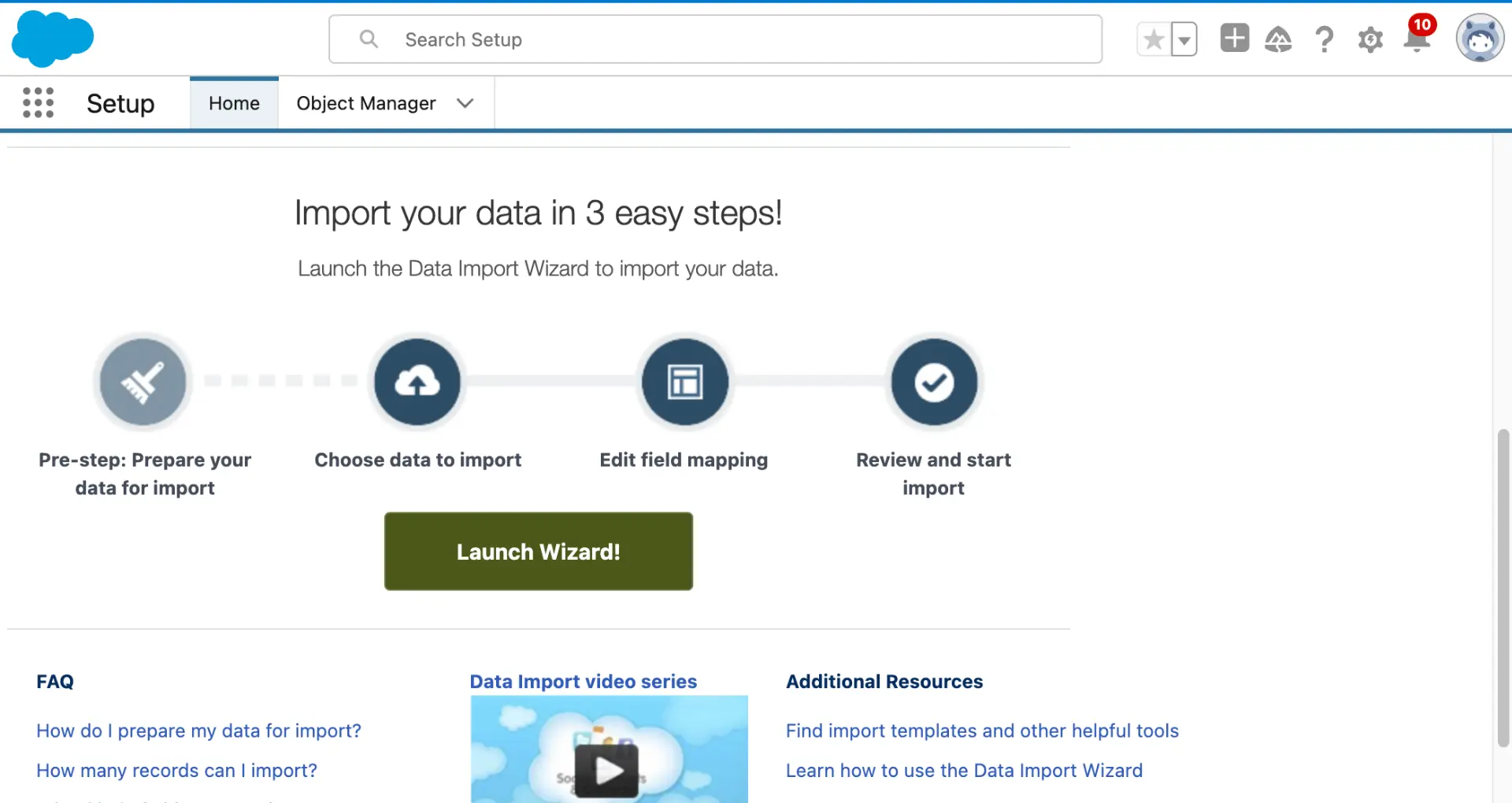
In Salesforce Lightning, use the Data Import Wizard accessible from the Setup menu. Choose 'Leads' as the data type, specify the import details, upload your CSV file, map the fields accordingly, and proceed with the import.
For LinkedIn leads, use the LinkedIn Sales Navigator Lead Creation feature. Admins must enable this in Sales Navigator settings, and users need to authenticate with Salesforce. Leads can then be created in Salesforce directly from Sales Navigator Lead Pages or Lists.
Discover how to automate sales for SDRs and Sales Ops teams with Bardeen's Salesforce integration workflow automation guide.
To import leads from an Excel spreadsheet, first save the Excel file as a CSV. Ensure the data is clean and the column headers match Salesforce field names. Then, use the Data Import Wizard in Salesforce to upload the CSV file, map the fields, and import the leads.
For mass importing leads, the Data Import Wizard is the most efficient tool. It allows for the import of large numbers of records at once. Prepare your CSV file with all the leads, ensuring data integrity and correct formatting, then follow the standard import process.

The Salesforce Data Import Wizard provides a user-friendly interface for importing leads, among other records. Access it via the Setup menu, select the type of data to import, upload your file, and follow the prompts to map fields and execute the import.
Ensure you have the necessary permissions to import leads. Typically, you need the 'Import Leads' permission, which can be granted by your Salesforce administrator.
To import leads from LinkedIn Sales Navigator, enable the Lead Creation feature in Sales Navigator Admin settings. Users must authenticate with Salesforce, and leads can then be added directly from Sales Navigator to Salesforce.










SOC 2 Type II, GDPR and CASA Tier 2 and 3 certified — so you can automate with confidence at any scale.