
This automation streamlines the process of gathering interview data from Indeed by scraping the information from an active browser tab and saving it directly to a Google Sheet. It leverages a sophisticated scraping model to extract structured data such as interview questions, answers, ratings, and more from Indeed's interview sections.
Upon activation, the scraper model is executed on the current Indeed page to capture relevant interview data. This data is then systematically appended to the designated Google Sheet. This workflow is particularly useful for HR professionals and recruiters:
Pro Tip: This workflow can be adapted to scrape other types of data from Indeed, such as job listings or company reviews, by simply modifying the scraper model.
Implement this workflow with Bardeen to enhance your recruitment process by efficiently collecting valuable interview insights.
To start, install the Bardeen app on your device by visiting the official Bardeen download page.
After installation, proceed to the Magic Box and enter the following prompt:
scrape interviews from Indeed, save into google sheets
Make sure to set up the required integrations for the workflow. This includes the Scraper for sourcing data from Indeed and Google Sheets for the data destination.
Now, you can execute the workflow. This workflow is designed to:
Scraping Indeed, one of the most popular job listing platforms, involves extracting valuable data such as job listings, company reviews, and salary information. This data can be invaluable for various purposes, from market analysis to creating job boards. However, scraping Indeed or any website requires a careful approach to comply with legal and ethical standards.
Discover how Bardeen can automate the process of extracting interviews from Indeed and seamlessly integrate this data into your workflows. Try it now!
Indeed's dynamic job market and regular updates make manual data collection impractical. Thus, using automated tools or scripts becomes necessary. Whether you're a data engineer looking to analyze job market trends or a recruiter seeking insights on competitive salaries, understanding the right tools and methods for Indeed scraping is crucial.
There are primarily two approaches to scrape Indeed: using Python scripts or employing no-code tools. Each method has its advantages and caters to different user needs.
Scraping Indeed with Python: For those comfortable with coding, Python offers a powerful way to scrape Indeed. Libraries like BeautifulSoup (bs4) and Requests are commonly used for this purpose. This approach involves sending HTTP requests to Indeed's job listing pages and parsing the HTML content to extract the required data. Users can customize their scraping scripts to fetch specific data points such as job titles, company names, locations, and more. However, this method requires a good understanding of Python and web scraping principles.
Using No-Code Tools for Indeed Scraping: For users without a programming background or those looking for a simpler solution, no-code tools like Octoparse provide a user-friendly interface for scraping Indeed. These tools often come with pre-built templates for popular websites, including Indeed, making it easier to start scraping without writing any code. Users can select the data they wish to extract, and the tool handles the rest. While no-code tools are accessible, they may offer less flexibility than custom Python scripts.
Streamline your data collection process from Indeed with Bardeen's automation capabilities. Simplify the extraction of interviews and other data without writing a single line of code. Get started today!
Legal Considerations: Regardless of the method chosen, it's essential to consider the legal implications of web scraping. Indeed's terms of service should be reviewed to understand what is allowed and what isn't. Additionally, respecting robots.txt files and avoiding excessive request rates that could harm Indeed's servers are good practices to follow.
In conclusion, scraping Indeed can provide valuable insights and data for various applications. Whether through Python scripting or no-code tools, the key is to choose the right method that suits your skills and needs while adhering to legal and ethical standards.
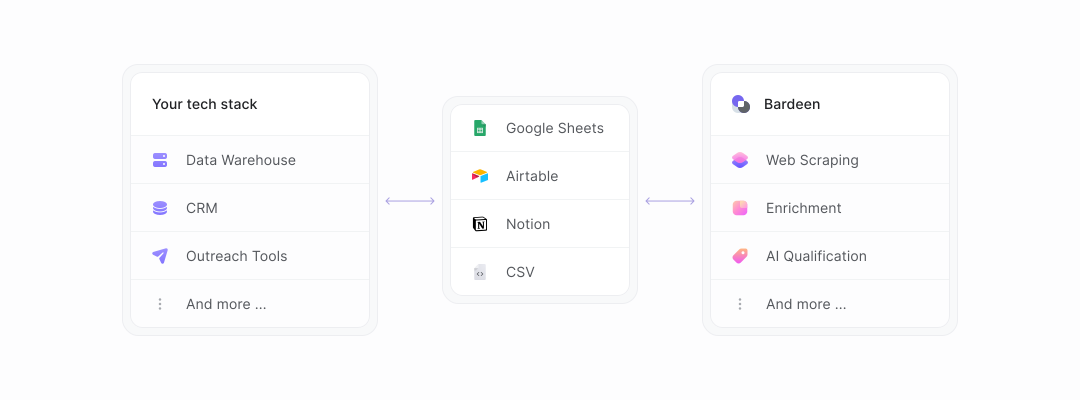
With our new Bardeen version, you can easily extract data from any website and discover new leads across the web. After extracting data from a website, use Bardeen’s powerful automation tools to validate and enrich your data, run additional scrapers on linked pages, or leverage AI to qualify leads and generate content automatically. Once your data is ready, you can easily export it to CSV, Google Sheets, Airtable, or Notion for further analysis and reporting.






SOC 2 Type II, GDPR and CASA Tier 2 and 3 certified — so you can automate with confidence at any scale.