Find the best sales and operations planning software here.
By the way, we're Bardeen, we build a free AI Agent for doing repetitive tasks.
If you're looking to enhance your sales and operations, try our AI tools for sales. They automate tasks to save time and boost productivity.
Looking for the best sales and operations planning software to streamline your processes and drive better results? We've compiled a curated list of the top 3 tools, complete with key features, pros, cons, popular use cases, and customer reviews. Whether you're a small business or a large enterprise, this comprehensive guide will help you find the perfect solution to optimize your sales prospecting and operations planning. From AI-powered sales automation to real-time data updates and customizable dashboards, these tools offer a range of capabilities to suit your unique needs. Read on to discover which software made the cut and how it can transform your planning workflows.
Bardeen is a top choice for sales and operations planning software due to its AI-powered automation capabilities. It allows users to automate repetitive tasks across various apps, making it an ideal tool for streamlining workflows and increasing productivity. Why not give it a try by downloading Bardeen's Chrome extension for free and see how it can benefit your sales and operations processes?
Bardeen offers several features that make it well-suited for sales and operations planning:
On Capterra, Bardeen has an overall rating of 4.5 out of 5, with users praising its ease of use and practical automation capabilities. One reviewer noted, "Bardeen is one of the best no-code automation platforms and won the runner-up award from Product Hunt in the SaaS category."
G2 reviewers give Bardeen 4.9 out of 5 stars, highlighting its time-saving benefits and affordability. A user shared, "Bardeen solves the problem of manually doing repetitive tasks, which saves me a lot of time. Prices are also affordable."
While not extensively discussed on Reddit, users who have tried Bardeen for automating tasks and scraping data from websites like LinkedIn have found it user-friendly and helpful in their workflows.
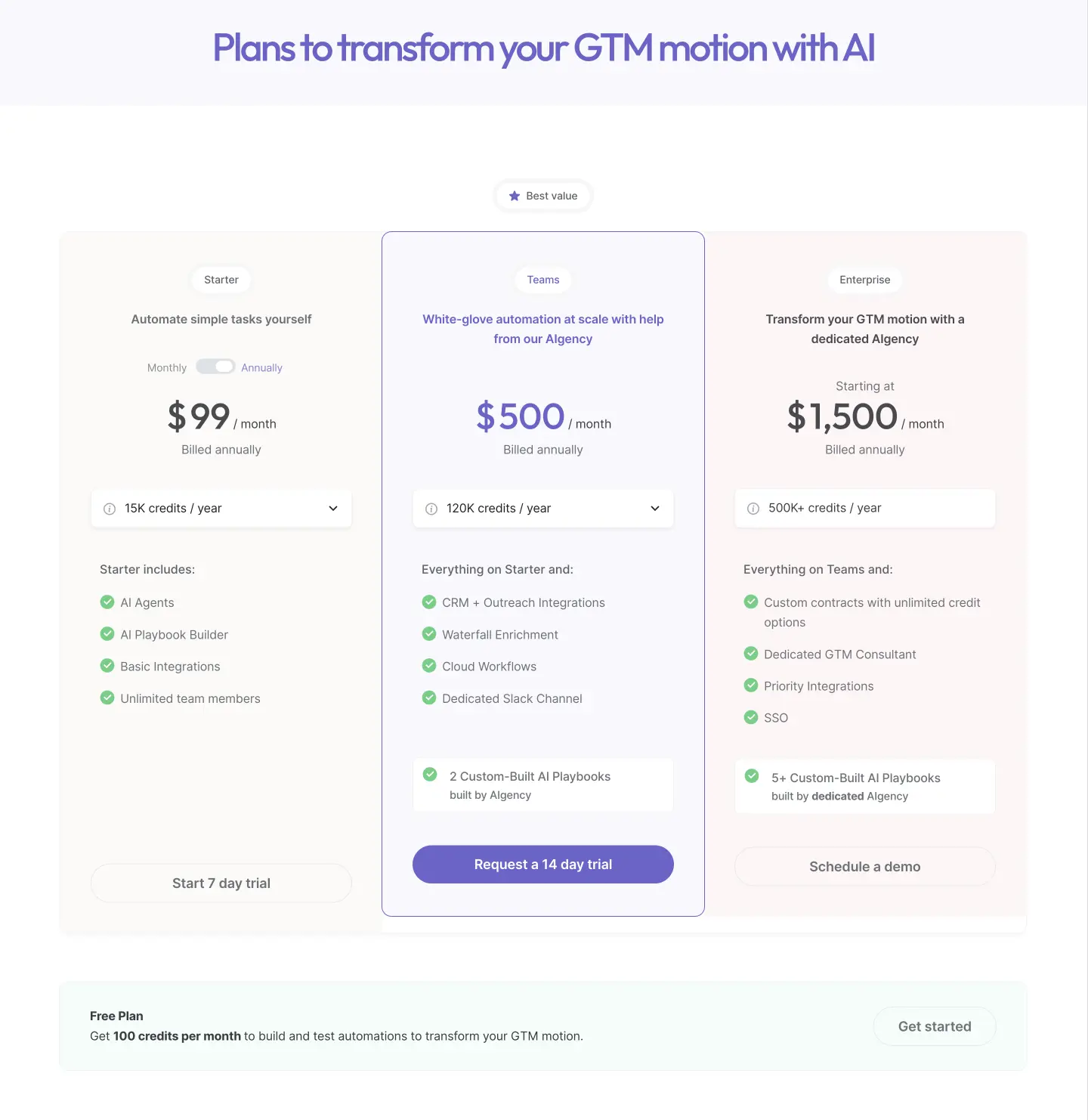
Bardeen’s pricing has been optimized for 2025 and includes the following plans:
Read why Bardeen is doubling down on AI + humans and how it can accelerate your sales cycle.
Ready to automate your workflows and maximize sales productivity? Sign up to Bardeen's free plan and experience the power of AI sales automation firsthand.
Anaplan is a powerful sales and operations planning software designed for large and fast-growing companies. Its ability to handle complex real-time calculations on large datasets, along with its flexibility and customization options, make it a top choice for businesses looking to optimize their planning processes.
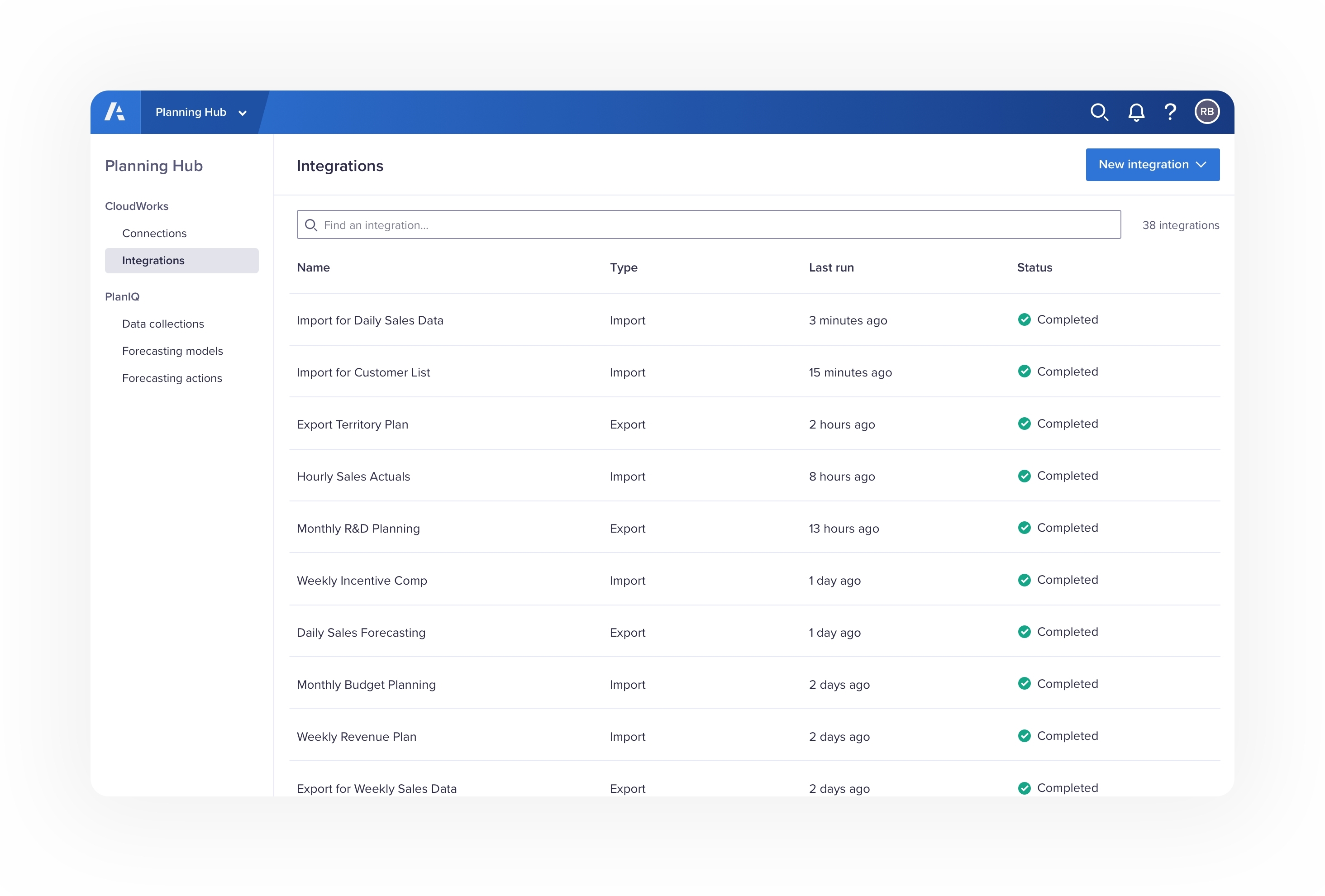
Anaplan offers a range of features that make it well-suited for sales and operations planning:
On G2, Anaplan has an average rating of 4.6 out of 5 stars from 349 reviews. Users praise its flexibility, real-time calculation capabilities, and ability to connect planning across the organization.
Capterra reviewers give Anaplan an overall rating of 4.0, noting its agility and accommodation of different sized businesses. Some mentioned minor functionality issues and high implementation costs as drawbacks.
TrustRadius users rate Anaplan 9.4 out of 10 on average. Positive themes include its customization, automation features, and value for global connected planning. Pricing and the learning curve were cited as potential challenges.
Oracle Eloqua is a comprehensive marketing automation platform that caters to the needs of B2B marketers and enterprises. It enables marketers to create personalized campaigns across multiple channels, streamlining the entire marketing journey. Eloqua's extensive integration capabilities, with over 700 integrations, make it an ideal choice for businesses looking for a cohesive marketing strategy.
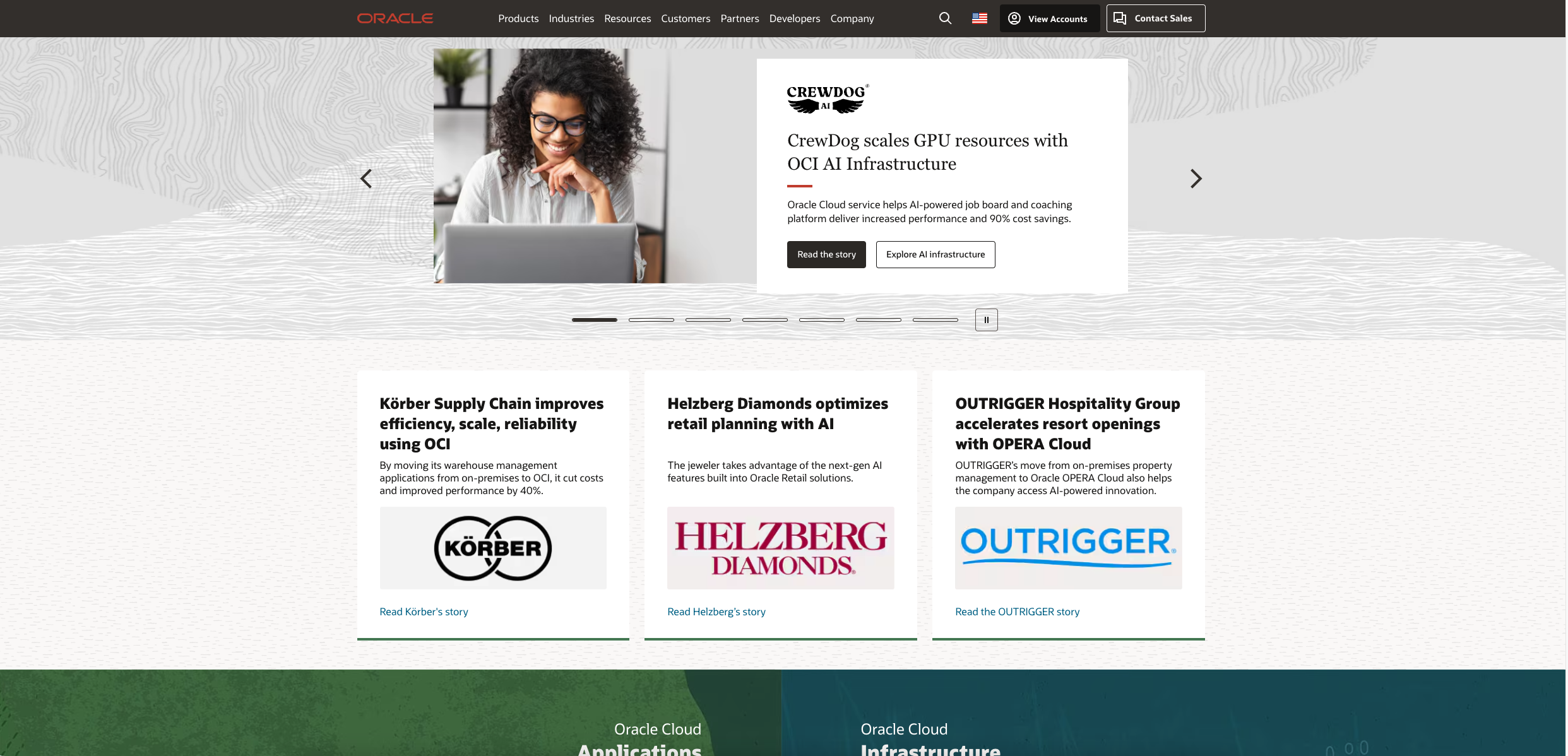
Eloqua's key features include lead generation, email marketing, campaign management, and analytics tools. These features help businesses:
On G2, Oracle Eloqua has an average rating of 3.9 out of 5 stars from 613 reviews. Many users praise its versatility for B2B marketing and ability to handle complex campaigns.
Capterra reviewers give Eloqua an overall rating of 4.0, highlighting its extensive integration capabilities. Some note the learning curve and complexity of the tool.
Feedback on Reddit suggests Eloqua is a capable enterprise solution, but onboarding and mastering advanced features can be challenging without investing in Oracle's education offerings. Despite some frustrations, it's considered a solid choice for B2B marketers.
Choosing the best sales and operations planning software depends on your specific business needs, budget, and desired features. Key factors to consider include automation capabilities, integration options, customization, and scalability.
Among the top choices discussed in this article, Bardeen stands out for its AI-powered automation and web scraping capabilities, making it an excellent option for streamlining workflows and boosting productivity. Anaplan is well-suited for large enterprises requiring complex real-time calculations and customization, while Oracle Eloqua is a comprehensive marketing automation platform ideal for B2B marketers.
To experience the benefits of these tools firsthand, we recommend starting with Bardeen's free Chrome extension. Simply install the extension and explore how its AI-driven features can revolutionize your sales and operations processes. For even more advanced capabilities, consider signing up for a 14-day free trial of Bardeen's premium features.
By leveraging the power of these cutting-edge tools, you can optimize your planning, automate repetitive tasks, and drive better results for your business.








SOC 2 Type II, GDPR and CASA Tier 2 and 3 certified — so you can automate with confidence at any scale.