Notion is a powerful productivity tool that allows you to create, organize, and collaborate on various types of content. One of its most valuable features is the ability to embed a wide range of apps, videos, and other interactive content directly into your Notion pages. In this ultimate guide, we'll explore the different types of content you can embed in Notion and how to effectively integrate them to enhance your productivity and streamline your workflows.
Notion allows you to embed a wide variety of multimedia content directly into your pages. This includes videos from platforms like YouTube and Vimeo, audio files from services such as Spotify and SoundCloud, and interactive elements like Loom videos and Miro boards. By incorporating multimedia, you can enhance the functionality and engagement of your Notion pages. For example, you can save LinkedIn profiles to Notion to keep all your data organized.
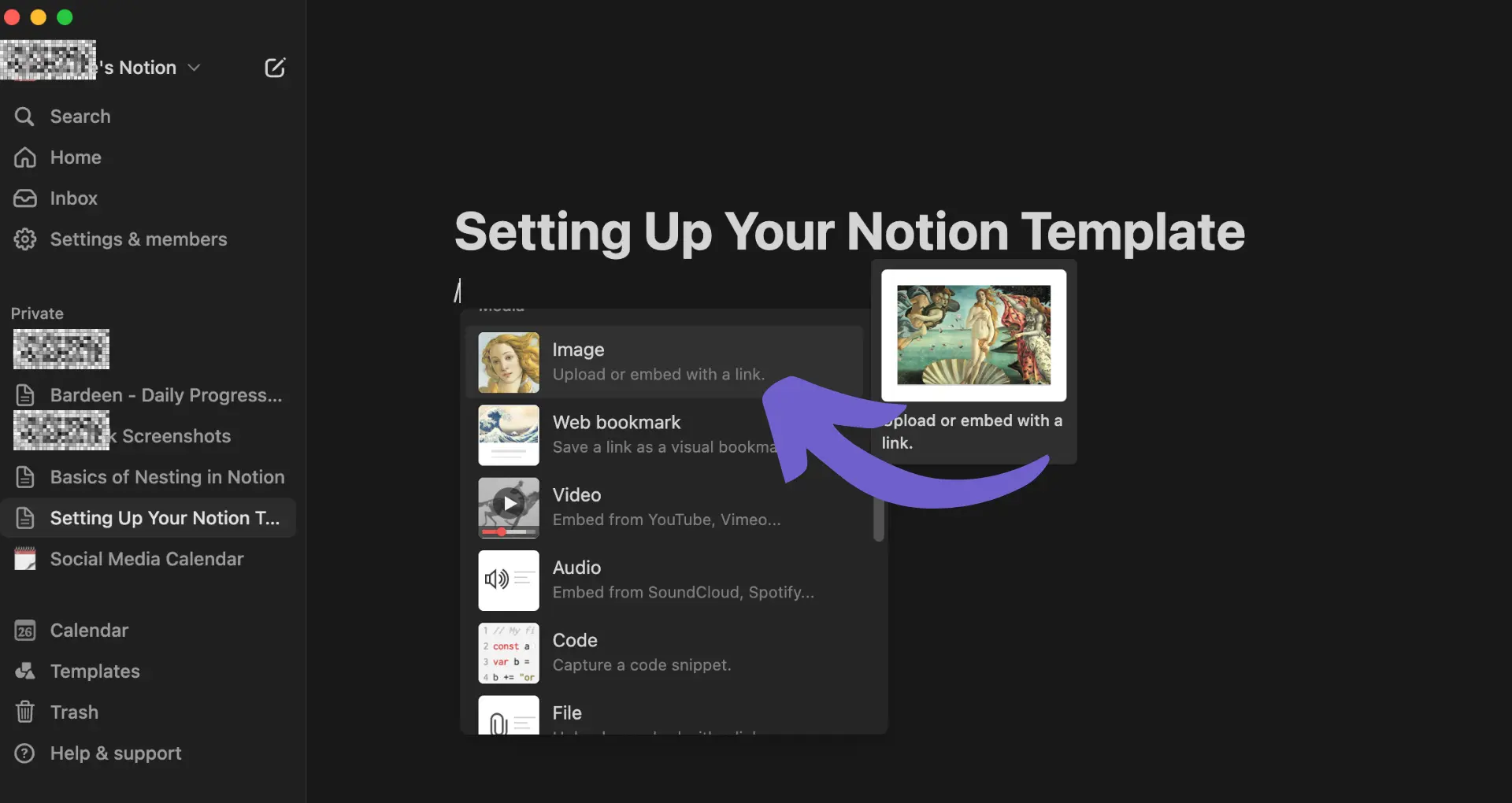
Some of the key benefits of embedding multimedia content in Notion include:
To embed multimedia content, simply paste the URL or embed link into a new block on your Notion page. Notion supports embedding from over 1,900 domains, so chances are, your favorite platforms are covered. Give it a try and see how multimedia can elevate your Notion pages! Learn more on how to connect Google Docs and integrate more tools seamlessly.
Notion allows you to embed content from a wide range of social media platforms and external apps directly into your pages. This includes popular platforms like Twitter, Facebook, Instagram, and GitHub Gists. By integrating these platforms, you can streamline your workflows and centralize all relevant information in one place.
To embed social media content or content from an external app, follow these simple steps:
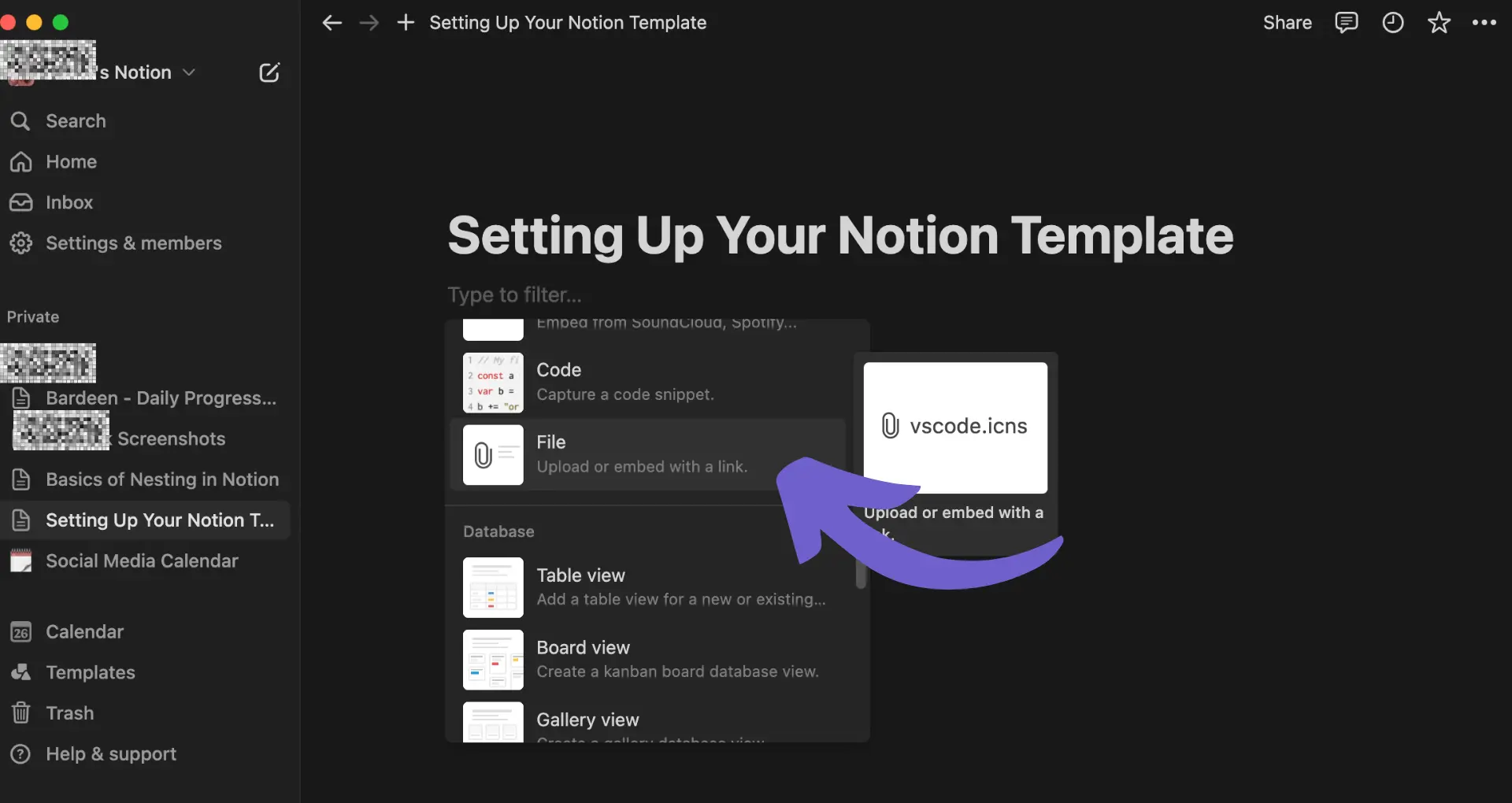
Some of the benefits of integrating social media and external apps in Notion include:
With over 1,900 supported domains, Notion makes it easy to integrate your favorite social media platforms and external apps into your workspace. Experiment with embedding different types of content to create a more dynamic and efficient work environment. Learn how to integrate Google Drive with other apps to keep your files organized and up to date.
Bardeen can help you connect LinkedIn with Notion. Save time by automating tasks like lead generation and data entry.
Notion seamlessly integrates with popular productivity tools like Google Suite, allowing you to embed and connect various elements from these platforms directly into your Notion pages. This integration connects Google Sheets and other tools, streamlining your workflow by keeping all your essential tools in one central location.
To embed content from Google Drive:
You can also embed Google Calendar into your Notion pages:
In addition to Google Suite, Notion also integrates with Slack, allowing you to streamline communication and collaboration. The benefits of connecting these productivity tools with Notion include:
By leveraging Notion's integration capabilities, you can create a more efficient and organized workspace that supports your team's productivity and success.
Once you've embedded content in your Notion pages, you can easily manage and customize it to suit your needs. Here are some ways to optimize your embedded content:
Resizing and Arranging: Most embeds can be resized by hovering your mouse over the embed and dragging the black bars on the sides. You can also use drag-and-drop to move embeds around your page or into columns.
Updating Embedded Links: As your project evolves, you may need to update embedded content. To replace an embed, hover over it and click ⋮⋮ or ••• at the top right, then choose "Replace." You can then paste a new URL or upload a new file.
Viewing Original Content: To quickly access an embed's source, hover over the embed and click "Original" or "View Original" from the ⋮⋮ or ••• menu. This will open the source page in your browser.
Best practices for maintaining effective embedded content include:
By managing and customizing your embedded content, you can create well-organized, visually appealing Notion pages that effectively support your team's workflow and productivity. Learn how to scrape data from websites to keep your information up-to-date.
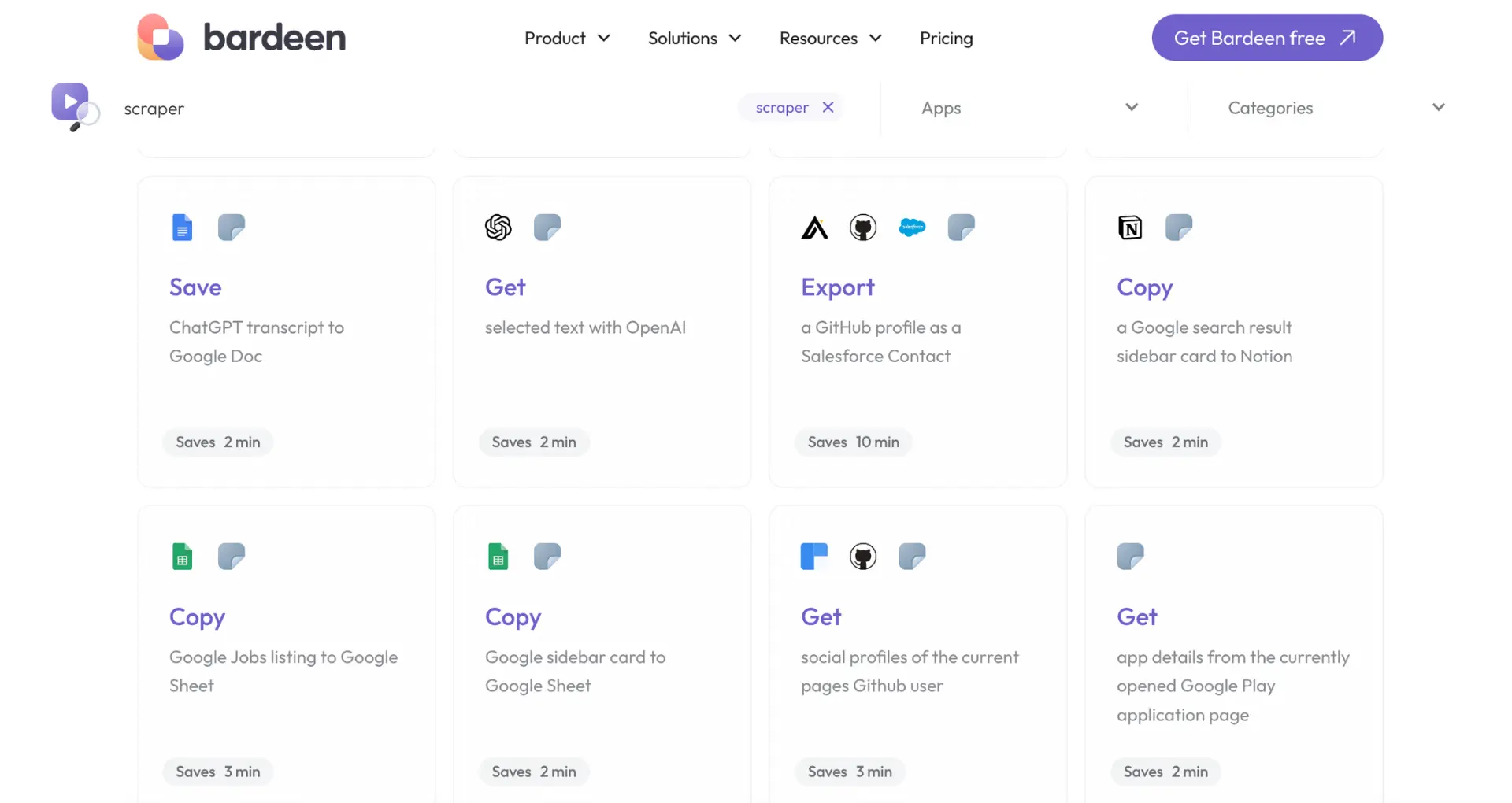
Use Bardeen to scrape data from websites and automate the process. Save time and keep your content current effortlessly.
While Notion supports a wide range of embeds natively, there may be situations where you need to embed content from a domain not directly supported. In such cases, you can use tools like Iframely to generate embed codes for unsupported domains.
Iframely is a powerful platform that provides embed codes for various types of content across the internet. By using Iframely, you can expand the range of content you can embed in your Notion pages beyond the natively supported domains.
To use Iframely with Notion:
If you encounter issues with embeds not loading properly or displaying "Failed to Load" errors, consider the following troubleshooting tips:
If the embed still does not work after trying these steps, reach out to Notion's support team for further assistance. They can help identify any specific issues and provide guidance on resolving them.
By leveraging advanced embedding techniques and troubleshooting effectively, you can create rich, interactive Notion pages that seamlessly integrate content from a wide variety of sources, enhancing productivity for your team.







SOC 2 Type II, GDPR and CASA Tier 2 and 3 certified — so you can automate with confidence at any scale.