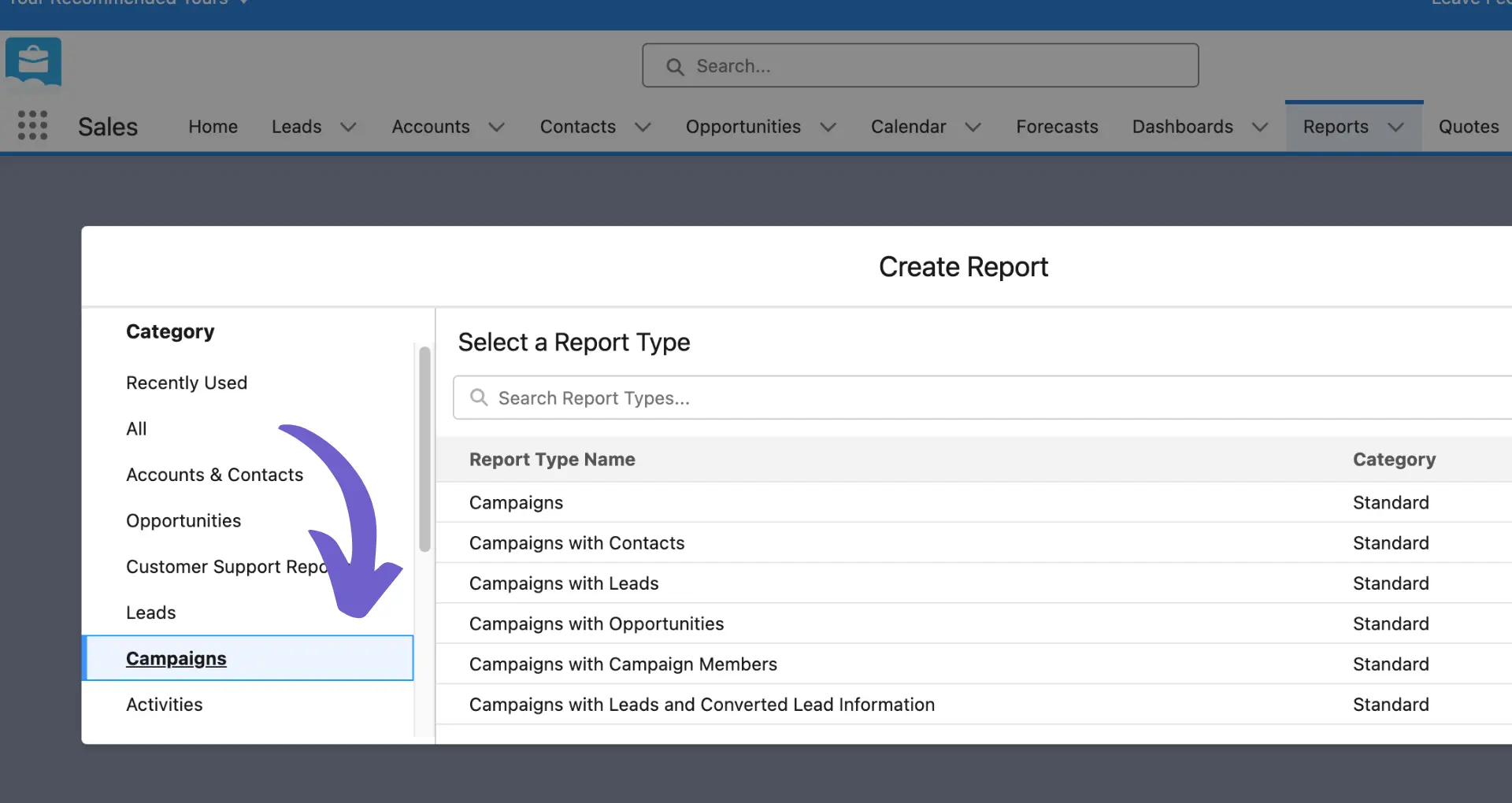
Exporting campaign lists from Salesforce is a common task for marketers and sales professionals who need to analyze campaign data, share information with team members, or use the data for further marketing activities outside of Salesforce. This guide covers various methods to export campaign members or lists directly from Salesforce to formats like CSV or Excel, ensuring you can work with your data flexibly and efficiently.
Automate your Salesforce exports to save time and reduce errors with Bardeen. Simplify your workflow today!
To export campaign members from Salesforce, you can use the built-in report feature. This method involves creating a new report based on the campaign members object, selecting the desired fields, and then exporting the report as a CSV file. Here are the steps for both Salesforce Lightning and Classic interfaces:

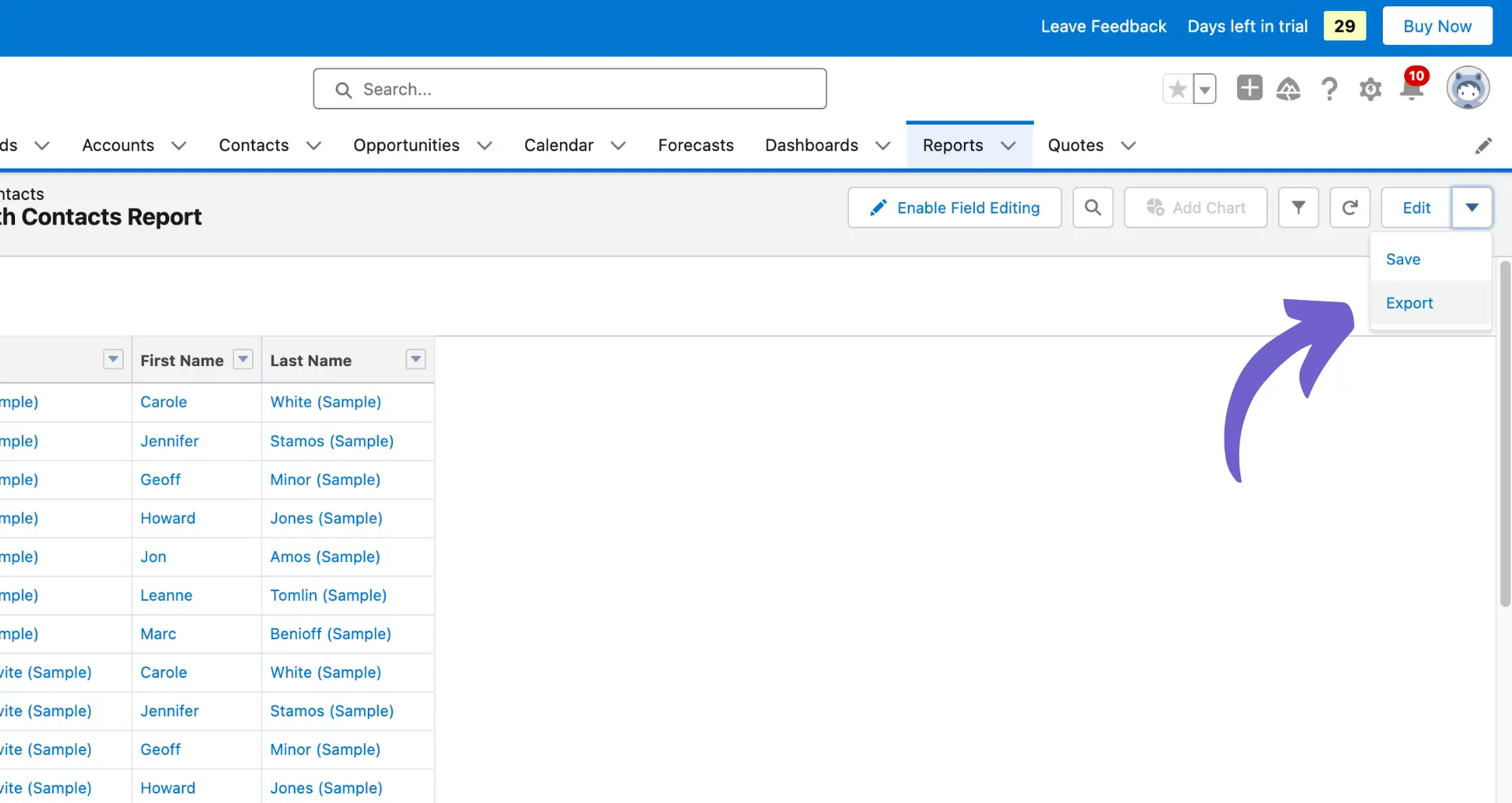

For users looking to export campaign lists directly into Excel, Salesforce offers several methods, including the use of Data Loader, third-party tools like dataloader.io, and Salesforce's own report feature. While the report feature allows for direct CSV exports, which can be opened in Excel, tools like Data Loader and dataloader.io provide more flexibility for bulk exports and can handle larger datasets efficiently.
Additionally, Salesforce's AppExchange offers tools like Ascendix Search, which simplifies the export process, allowing users to export Salesforce lists, including campaign lists, directly to Excel. This tool enables users to quickly generate and customize data exports, including fields from related objects, and control export permissions.

Before exporting campaign members, it's often useful to create and customize list views within Salesforce. This allows you to segment your campaign members based on specific criteria, making your exports more targeted and manageable. To create a campaign member list view:
This customized view can then be used as the basis for your exports, ensuring you're working with the most relevant data set for your needs.
Discover how to supercharge your sales process with Bardeen's Salesforce automation. Check out our guide on Salesforce integration and workflow automation for SDRs and Sales Ops teams.
Exporting any list from Salesforce to Excel, including campaign lists, can be achieved through the Salesforce report feature or by using external tools for more complex needs. For basic exports, generating a report and exporting it as a CSV file, which can then be opened in Excel, is straightforward and requires no additional tools. For more advanced users, Salesforce's Data Loader or cloud-based solutions like dataloader.io offer the ability to export larger datasets and provide more control over the export process, including scheduling exports and defining specific data mappings.
Regardless of the method chosen, exporting your Salesforce campaign lists to Excel allows for greater flexibility in data analysis, sharing, and integration with other marketing tools.









SOC 2 Type II, GDPR and CASA Tier 2 and 3 certified — so you can automate with confidence at any scale.