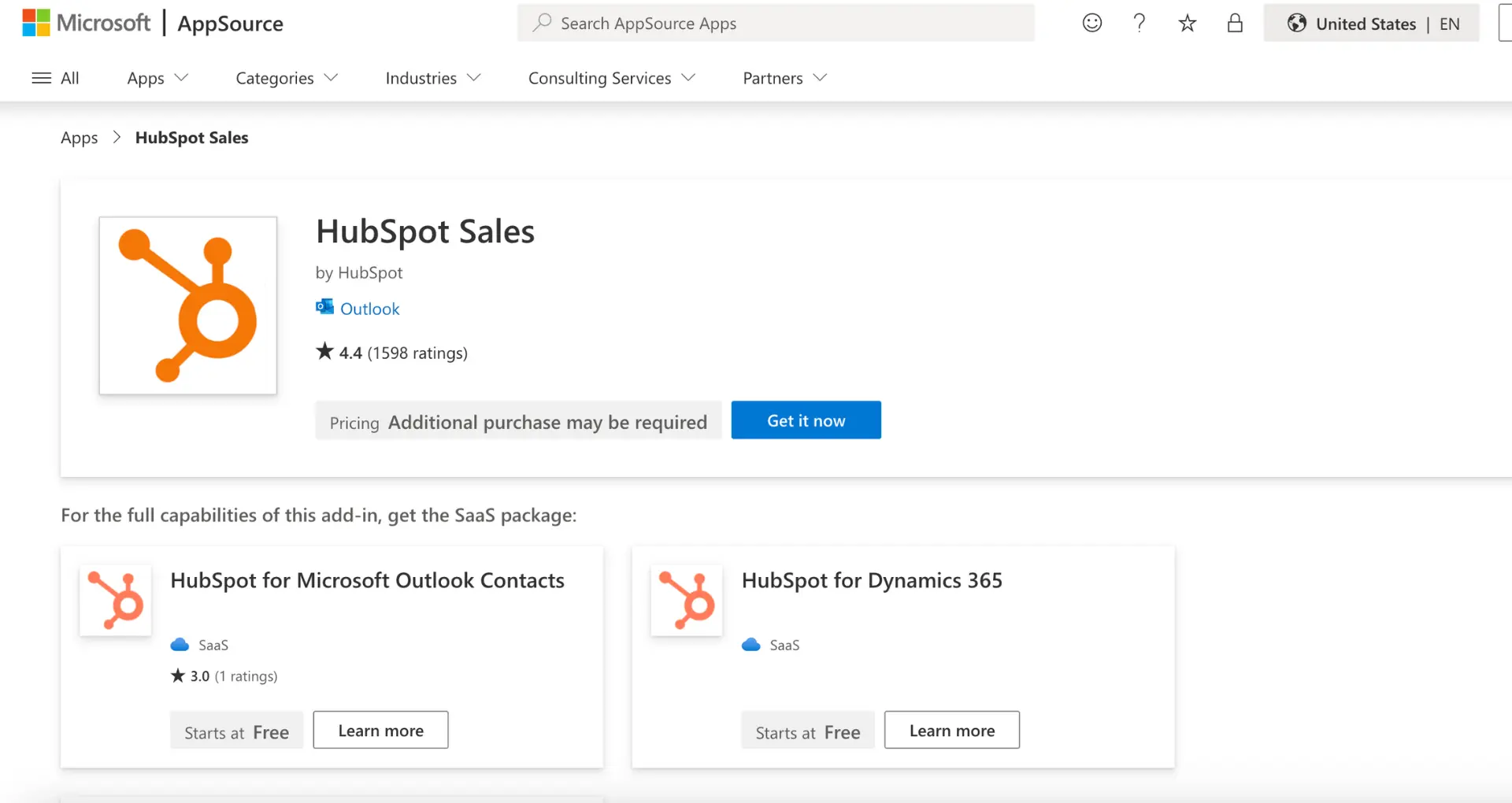
Integrating HubSpot with Outlook enhances your email experience by enabling tracking, logging, and access to HubSpot sales tools directly within your Outlook account. However, due to updates from Microsoft, the approach to integrating these platforms has evolved. This guide will walk you through the current methods to add HubSpot to Outlook, ensuring you have the latest information for a seamless integration.
Automating HubSpot functionalities with Bardeen brings efficiency and productivity to another level. Download Bardeen to get started.
The traditional HubSpot Sales Outlook desktop add-in is no longer supported due to significant changes introduced by Microsoft in the new Outlook for Windows. As a result, HubSpot recommends transitioning to the HubSpot Sales web add-in, which is compatible across PC, Mac, and Office online, ensuring a broader range of support and functionality.
To add the HubSpot extension to Outlook, you have two primary methods depending on your setup: the HubSpot Sales Office 365 add-in for those using Office 365 hosted email accounts, and the HubSpot Sales Chrome extension for Gmail users accessing their email through Chrome. It's important to choose the method compatible with your email setup for optimal performance.
To install the HubSpot Sales Office 365 add-in, follow these steps:
Once installed, you can access HubSpot's templates, documents, and sequences directly from your Outlook inbox. For users who need to install the add-in across multiple email accounts within Outlook, repeat these steps for each account.
Office 365 admins have the option to centrally deploy the add-in to all users within the organization, ensuring everyone has access without individual installation. Follow Microsoft's centralized deployment instructions to add the HubSpot Sales add-in from the Office Store.
For Gmail users or those preferring to use the Chrome browser, the HubSpot Sales Chrome extension offers a convenient way to integrate HubSpot with your email. To install:
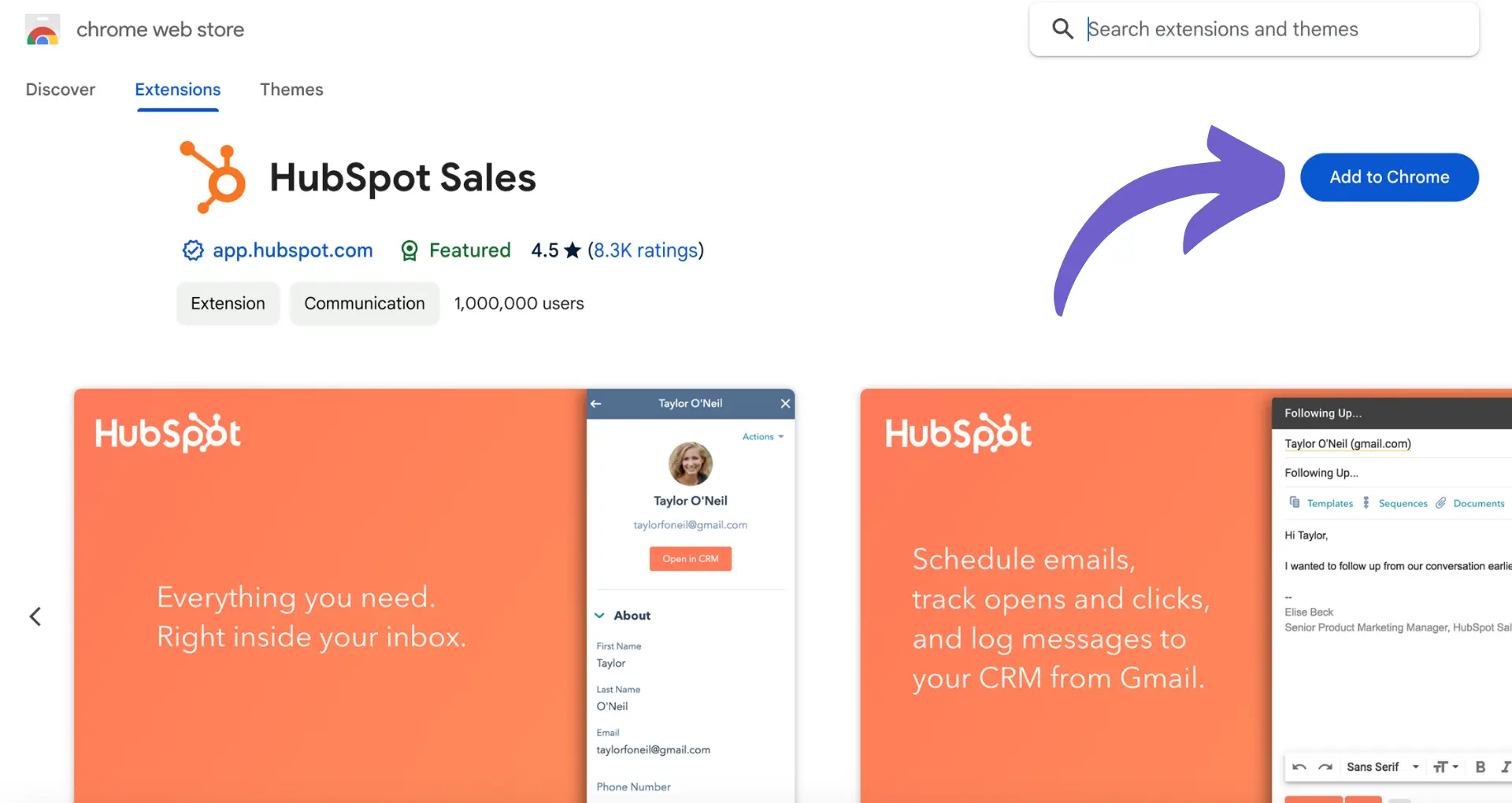
This extension allows you to access HubSpot's sales tools directly from your Gmail inbox, enhancing your email productivity and tracking capabilities.
Note: Google's Rapid Release track is not compatible with the extension. If your organization uses this release track, consult with your IT team about switching to the default release track for compatibility.
From the Blog: Discover why HubSpot integrations are critical for salespeople here.
By following these updated methods, you can successfully integrate HubSpot with Outlook, leveraging the powerful sales and email tracking tools HubSpot offers directly within your email environment.







SOC 2 Type II, GDPR and CASA Tier 2 and 3 certified — so you can automate with confidence at any scale.