Tired of manually searching for leads? Web scraping can turbocharge your lead generation efforts. By automatically extracting contact data from websites, you can build targeted lists of potential customers in a fraction of the time. 61% of marketers say generating leads is their top challenge - but with web scraping, you can leave the competition in the dust. In this guide, we'll show you step-by-step how to harness the power of web scraping for lead gen, including finding the right sites to scrape, using the latest tools and techniques, and enriching your data for maximum impact. Get ready to supercharge your sales pipeline!
Web scraping is an automated process that collects lead data like names, email addresses, and phone numbers from websites. It's a fast and cost-effective way to build targeted lists of potential leads for your outreach campaigns. Here's what you need to know about using web scraping for lead generation:
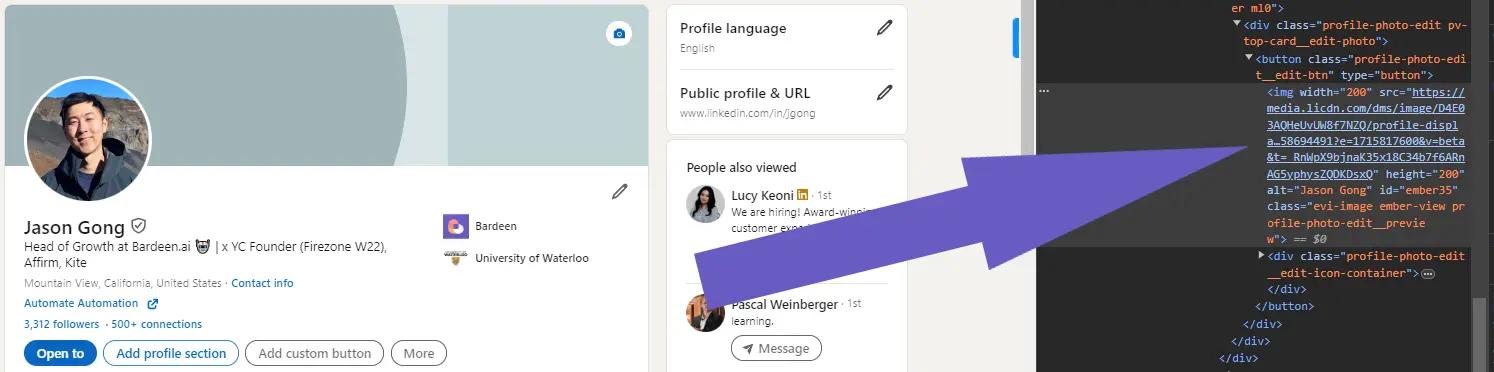
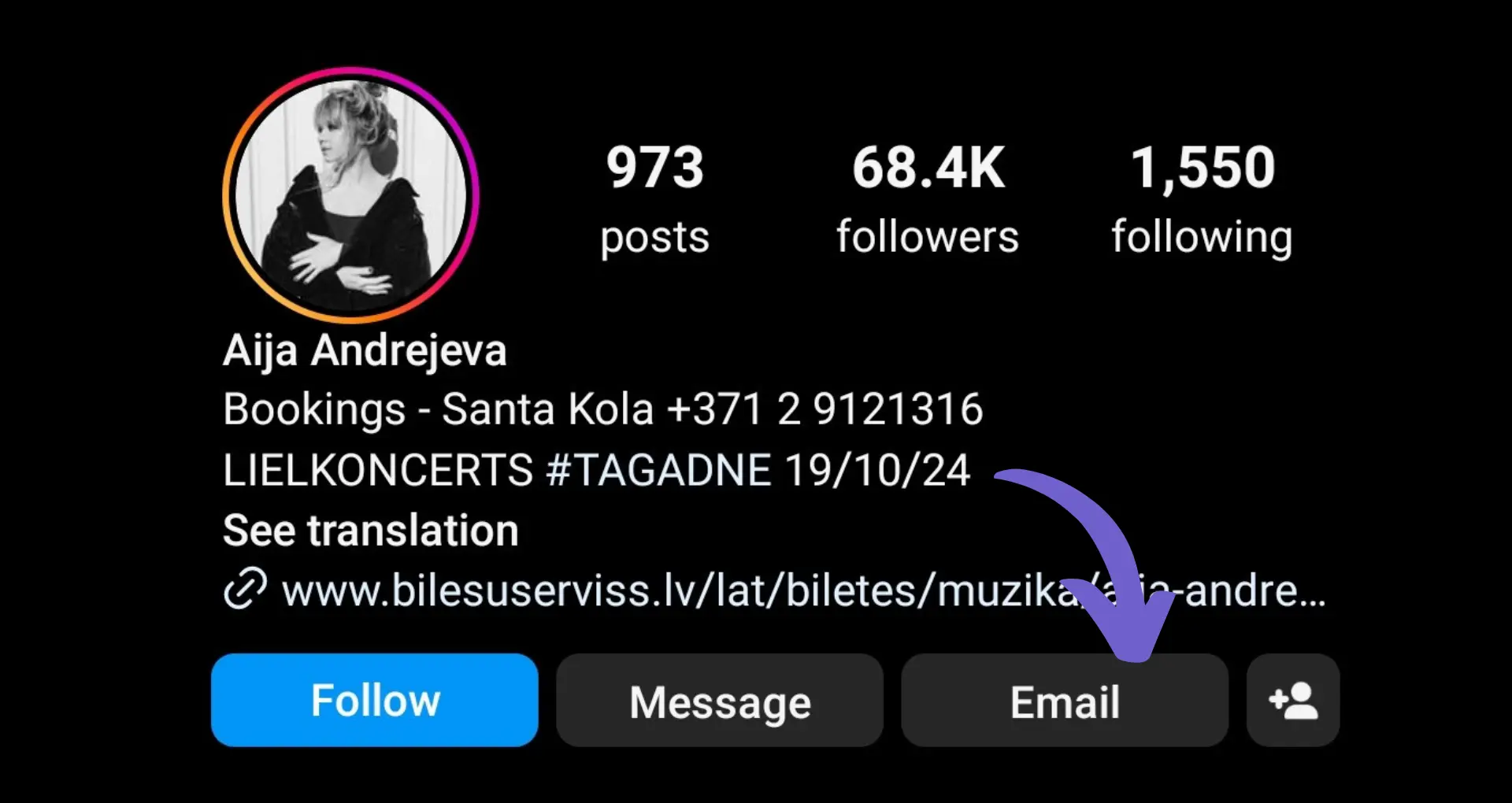
Web scraping, also known as data extraction or web harvesting, uses software to gather information from websites. For lead generation, a web scraper can collect contact details and other relevant data on potential leads from online directories, social media, and other sources.
Compared to manually searching for leads online, web scraping offers several key advantages:
While the specifics can vary, the general process of web scraping for leads involves:
By automating lead collection with AI web scraping tools, you can efficiently gather the data needed to connect with potential customers. The key is having a clear process and the right tools to extract and use the information effectively.
In the next section, you'll discover how to find the best websites to scrape quality leads for your business.
To get the most value from web scraping for lead generation, you need to target websites with relevant, accurate contact data for your ideal customers. Look for industry-specific directories, databases, and platforms where companies in your target market are likely to share their information. However, before scraping any website, always verify that you have permission and that it's legal and ethical to do so. Here are some tips for finding the right websites to scrape:
Not all websites are created equal when it comes to lead data. To determine if a site is worth scraping, consider factors like:
For example, if you're targeting marketing directors at mid-size B2B companies, a directory of marketing agencies may not be as valuable as a database of marketing technology vendors.
One of the best ways to find websites with high-quality leads is to go where your target customers congregate online. Research the top industry-specific directories, databases, trade associations, and publications in your market. These sources often have detailed company profiles and contact information for decision-makers that you can scrape. Web scraper extensions can be helpful for extracting data efficiently.
Discover how Bardeen's web scraper extensions can automate your data extraction, allowing you to save time while gathering valuable lead information.
Before scraping any website for leads, it's crucial to make sure you have permission and that it's legal to do so. Check the website's terms of service, robots.txt file, and any other guidelines related to scraping or using their data. Some sites explicitly prohibit scraping, while others may allow it with certain restrictions. Violating these terms could result in legal consequences or your IP address getting blocked. When in doubt, reach out to the website owner for clarification or consult with a lawyer familiar with web scraping laws.
The types of websites you scrape for leads will depend on whether you're a B2B or B2C company. B2B businesses often focus on scraping industry directories, trade show exhibitor lists, and professional association websites. These sources tend to have more detailed firmographic data and contact information for key decision-makers. In contrast, B2C companies may have better luck scraping leads from consumer review sites, social media platforms, and online communities related to their products or services. For example, a DTC e-commerce brand could scrape customer reviews from Amazon or Trustpilot to identify potential leads and gather insights.
By targeting the right websites and verifying permissions, you can use web scraping to build a robust database of leads in less time. Focus on quality over quantity and continuously refine your approach based on the results. Automate sales prospecting to enhance efficiency in extracting lead data.
Ready to start scraping? The next section covers how to choose the best web scraping tools and techniques to extract lead data efficiently.
Choosing the right web scraping tools and techniques is crucial for effective lead generation. With a wide range of options available, from coding-based solutions to no-code platforms, it's essential to consider your specific needs and technical abilities. Here's a closer look at the key factors to help you make an informed decision:
Web scraping tools fall into two main categories: coding-based and no-code solutions. Coding-based tools, such as Python libraries like Beautiful Soup and Scrapy, offer flexibility and customization but require programming knowledge. No-code platforms, like Octoparse and ParseHub, provide user-friendly interfaces for non-technical users to extract data through point-and-click actions. When deciding between coding and no-code tools, assess your technical skills and project requirements. If you have coding experience and need highly customized scraping solutions, coding-based tools may be the way to go. However, if you prioritize ease of use and quick results without coding, no-code platforms are an excellent choice.
Web scraping techniques vary depending on the complexity of the target website and the data you need to extract. Some common techniques include:
Choose the appropriate technique based on the website's characteristics and your project's requirements. APIs are ideal when available, while HTML parsing works well for simple static sites. Headless browsing is necessary for dynamic content but may require more setup and computational resources.
Proxies play a vital role in web scraping by acting as intermediaries between your scraper and the target website. They help prevent IP blocking by rotating IP addresses, distributing requests across multiple servers, and mimicking human behavior. When scraping large amounts of data or accessing websites with strict anti-scraping measures, using proxies is essential to avoid detection and ensure smooth data extraction. Consider factors like proxy quality, location, and compatibility with your chosen web scraping tool to maximize the effectiveness of your lead generation efforts.
By understanding the pros and cons of coding vs no-code tools, selecting the right web scraping software, applying appropriate techniques, and leveraging proxies, you can optimize your web scraping process for successful lead generation.
With the right tools and techniques in place, you're ready to dive into the next crucial step: extracting, cleaning, and enriching your scraped lead data to make it actionable for your sales and marketing teams.
Once you've chosen the right tools and identified the best websites to scrape for leads,it's time to dive into the nitty-gritty of extracting,cleaning,and enriching your scraped data.This crucial step transforms raw data into actionable insights for your sales and marketing teams.Here's a closer look at the process:
To extract lead data from a website using web scraping,follow these steps:
By following this systematic approach,you can efficiently gather valuable lead data from multiple websites without the time-consuming manual effort.
Raw scraped data often contains inconsistencies,duplicates,and irrelevant information that needs to be cleaned and structured before it can be used effectively.Here are some key steps in the data cleaning process:
By investing time in data cleaning,you'll ensure that your scraped lead data is accurate,reliable,and ready for further enrichment and analysis.
To maximize the value of your scraped lead data,it's essential to validate and enrich it with additional information.Here are some methods to consider:
By validating and enriching your scraped lead data,you'll be able to create more targeted and personalized outreach campaigns that resonate with your prospects.
Save time and focus on what really matters by using Bardeen's automate sales prospecting capabilities. Turn repetitive tasks into a single click and improve your lead enrichment efforts effortlessly.
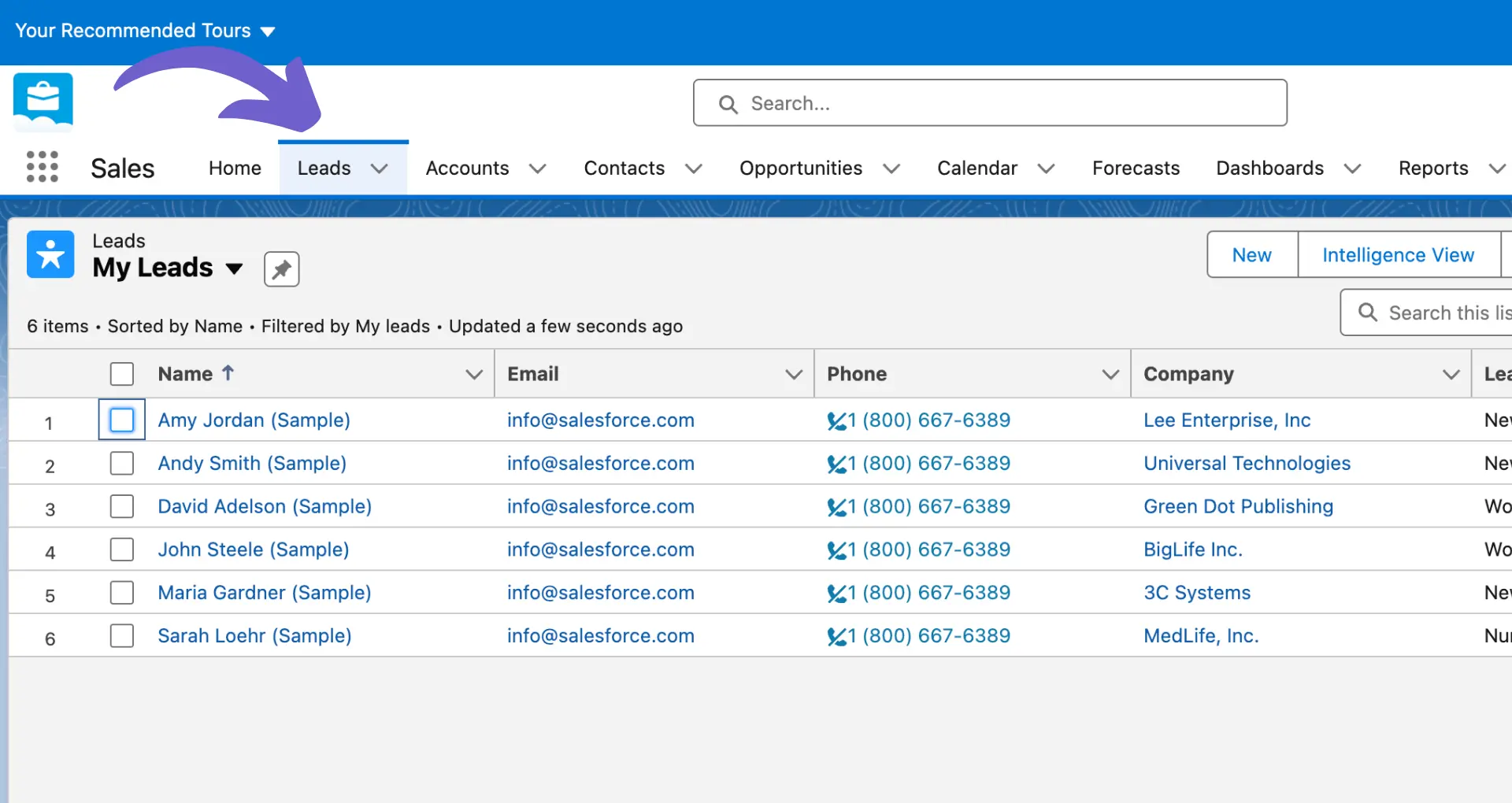
Once you've extracted,cleaned,and enriched your lead data,it's crucial to store and manage it effectively for easy access and utilization.Consider these tips:
By implementing a robust data storage and management strategy,you'll be able to leverage your scraped lead data for maximum impact and drive better results from your lead generation initiatives.
Extracting,cleaning,and enriching lead data is a critical component of effective web scraping for lead generation.By following these best practices,you'll be well on your way to building a high-quality lead database that fuels your sales and marketing success.Thanks for sticking with us through this in-depth exploration of web scraping for lead generation-we promise it'll pay off in the long run!
Effective web scraping is essential for businesses looking to generate high-quality leads and stay ahead of the competition.Here's what you learned in this guide:
By mastering the art of web scraping for lead generation,you'll unlock a powerful tool for growing your business.Don't let your competitors leave you in the dust-start putting these strategies into action today!






SOC 2 Type II, GDPR and CASA Tier 2 and 3 certified — so you can automate with confidence at any scale.