Discovery calls set the tone and trajectory for a deal. You’ve spent time and resources getting your prospect to meet with youl… it’s now time to start the journey to closing them.
The goal of a discovery meeting is to
This is particularly true for discovery calls. Success in sales often hinges on preparation. Spend 90% of your efforts getting ready, and the execution will fall into place. Detailed research on prospects, understanding their pain points, and tailoring your pitch are key.
For example, a sales rep at a tech company can increase their closing rate by 30% after discovering a prospect's recent merger. They crafted a pitch that highlighted how their product could solve potential integration challenges, impressing the decision-makers.
With Bardeen, automate research and gather insights efficiently, so you're always prepared. Now, let's explore 5 tips below, and you’ll be prepared.
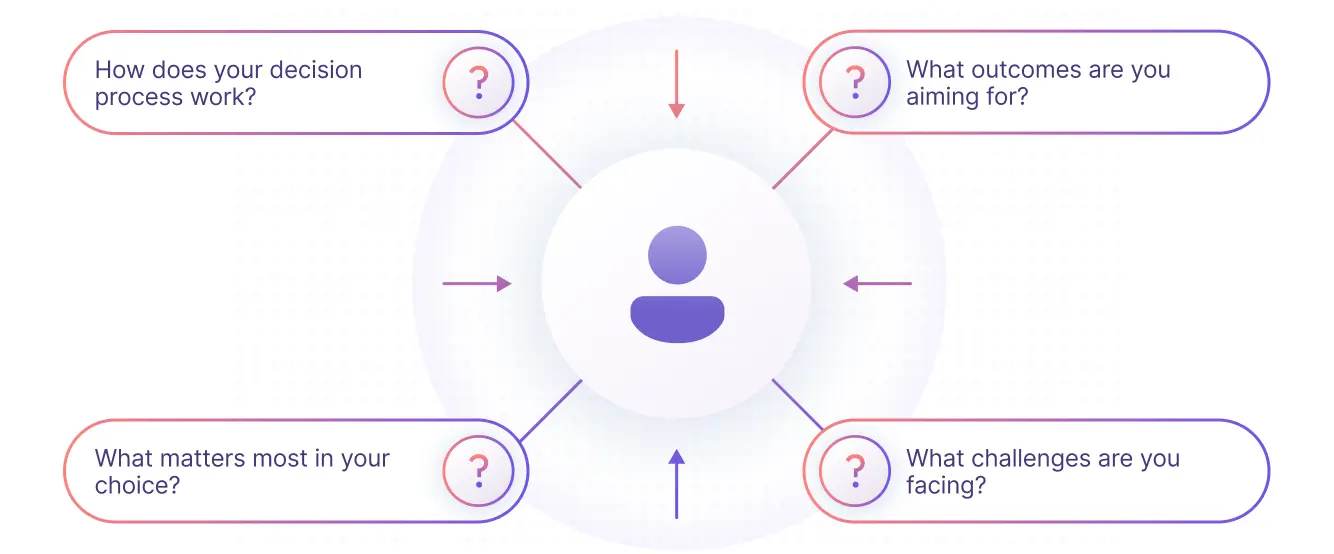
Before diving into the discovery call, understand your buyer's position in their journey. When dealing with a prospect actively evaluating solutions, start by asking, "What do you hope to achieve by implementing a solution?" This approach respects their current stage and aligns your conversation with their immediate goals.
If the prospect is still identifying pain points, ask, "What challenges are you currently facing?" This helps uncover deeper motivations behind their evaluation. For a sales team, this means tailoring questions based on whether the buyer is exploring options or ready to make a decision.
RevOps teams can use this approach to fine-tune sales processes and ensure reps are equipped to meet buyers where they are. With Bardeen, sales and RevOps can automate the collection and analysis of buyer responses to continuously improve question strategies and track buyer journey stages.
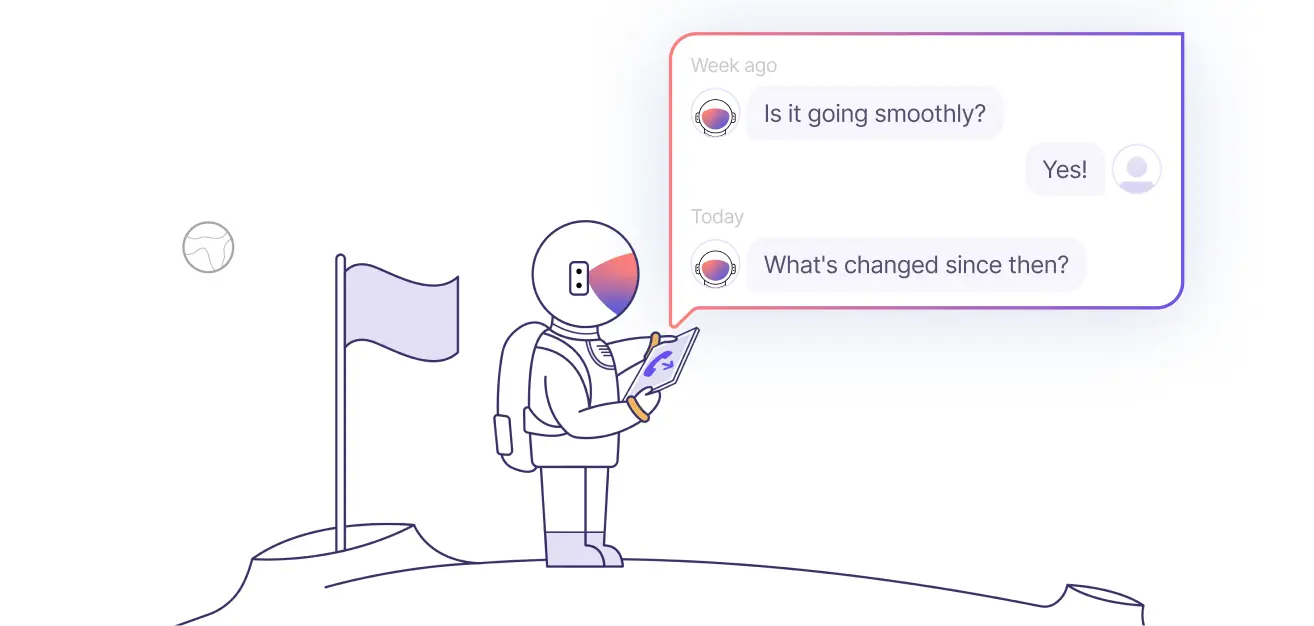
Assumptions can derail a sale. Start every call by asking, "What’s changed since the last time we talked?" This question ensures you're always aligned with the buyer's evolving needs, especially in fast-paced industries like tech or real estate where priorities can shift overnight.
RevOps professionals can use this strategy to maintain an agile sales process, adapting to new information as it comes. For example, a salesperson who discovers a buyer's budget has recently increased can pivot to propose a more comprehensive solution, potentially increasing deal size. Bardeen can automate the tracking of these changes, providing a dynamic snapshot of each buyer’s evolving situation, so salespeople always have the latest insights at their fingertips.

Long answers provide valuable insights. Transform questions like "What’s your biggest challenge?" into "Can you help me understand your biggest challenge?" This phrasing invites more comprehensive responses, allowing you to gather detailed information that can make or break a sale.
For a RevOps professional, analyzing these responses can highlight common pain points across buyers, informing strategic adjustments in sales tactics. Sales teams, for example, can use extended answers to tailor product demonstrations that directly address specific buyer concerns. Bardeen can assist by automatically categorizing these detailed responses, ensuring nothing is overlooked and enabling more personalized follow-up actions.
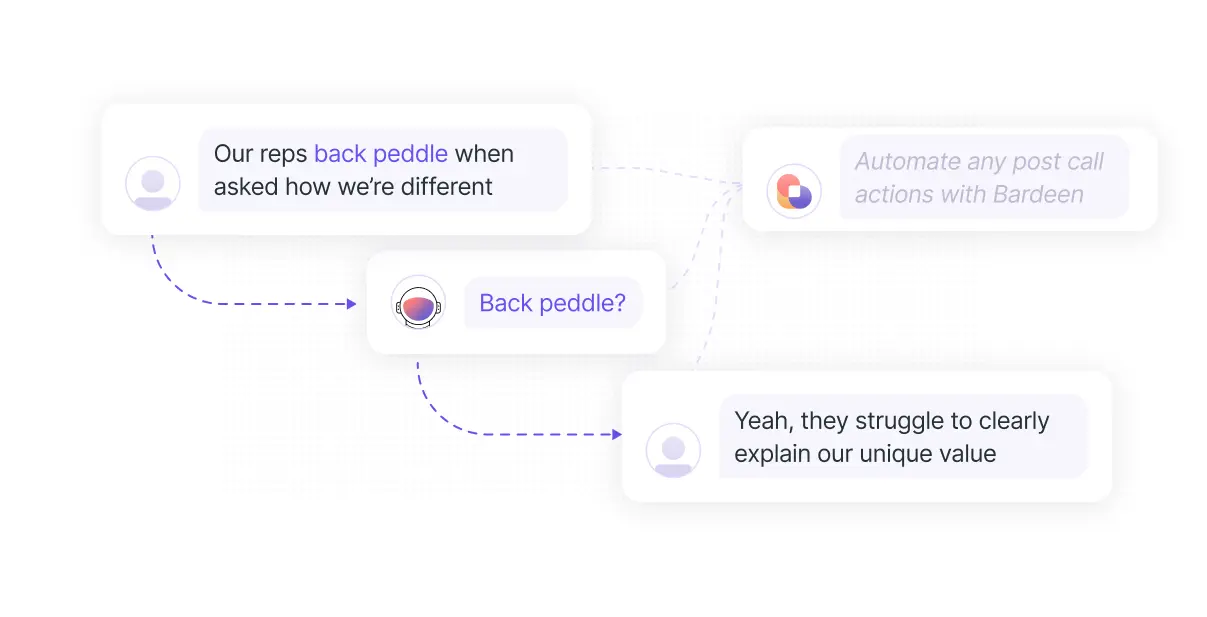
When a buyer mentions a problem, mirror their words back to them. For instance, if a buyer says, "Our reps back peddle when asked how we’re different," simply reply, "Back peddle?" This technique encourages buyers to elaborate, revealing more about their challenges and needs.
In sales, this can uncover subtle objections or hesitations that might otherwise go unspoken. RevOps teams can train sales reps to use this technique to foster deeper, more insightful conversations. Bardeen can automate any post call actions, helping teams track recurring themes and refine their approach based on real buyer feedback.
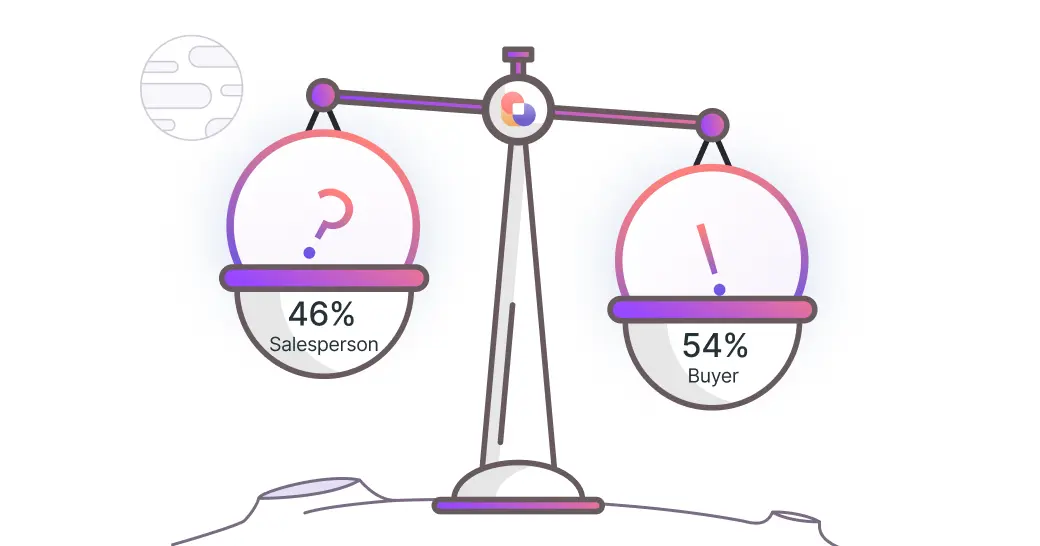
The best sales conversations involve listening as much as talking. Aim to talk for about 46% of the call, leaving the rest to the buyer. This ratio ensures you gather enough information to tailor your pitch effectively. For RevOps, analyzing talk-to-listen ratios across calls can identify areas where reps might need coaching to improve their engagement strategies.
In practice, a salesperson who listens more can better understand buyer needs and adjust their pitch on the fly, leading to higher close rates.
Having the right insights and tools at your fingertips can make all the difference. Here are five tips to help you prepare, including three Bardeen playbooks that will keep you ahead.
Before your call, gather insights on participants to tailor your approach. Updating event descriptions with relevant details can make your pitch. Picture a sales team receiving a comprehensive lead digest before each meeting, driving personalized conversations. Bardeen's playbook automates this, ensuring you never miss valuable intel.


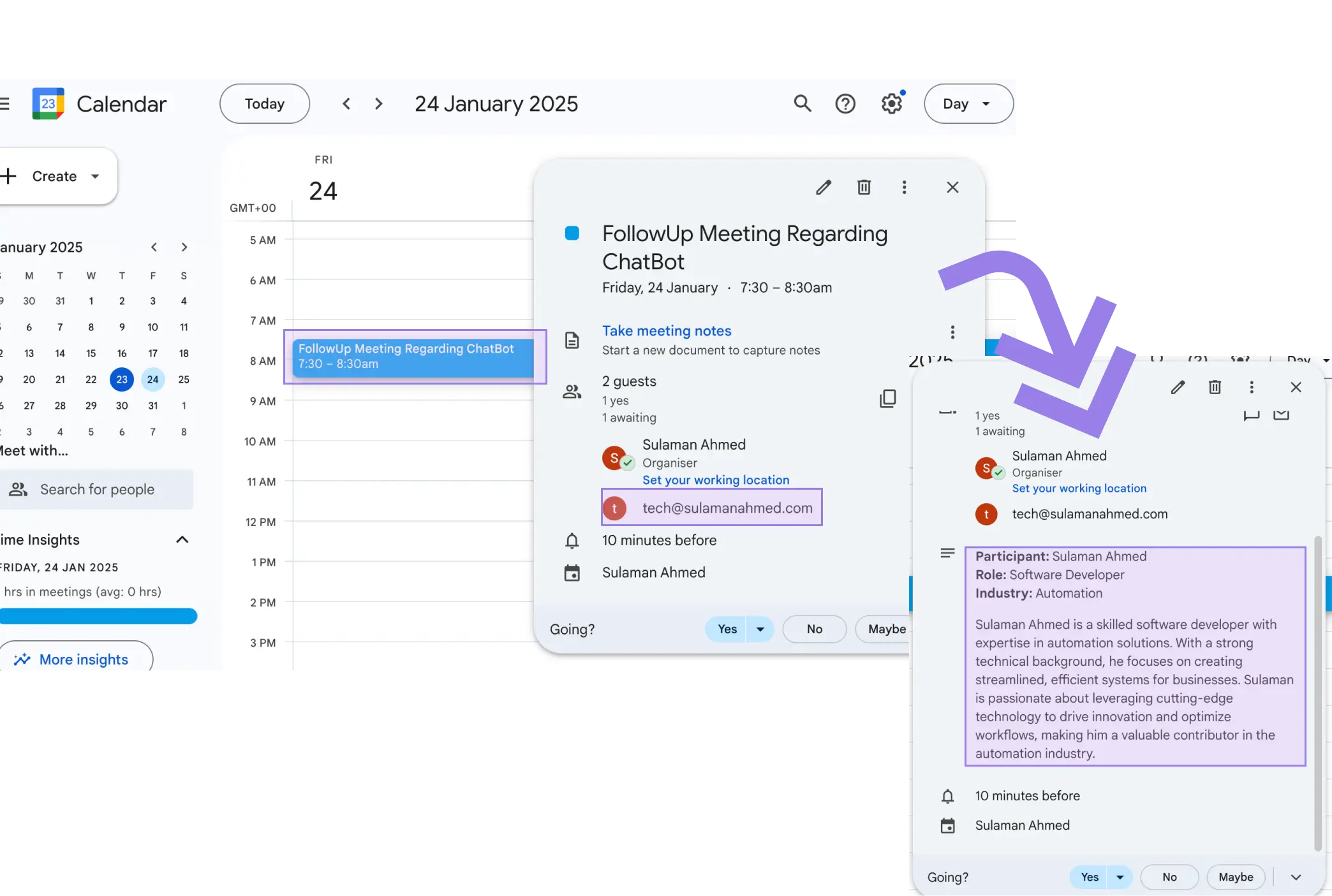
How does this playbook work?
Preparing for meetings is time-consuming. This playbook analyzes your next Google Calendar event's participants, enriches their data with contact and company info, and updates the event description with a digestible summary – automatically.
Stay on top of your schedule by receiving a weekly list of upcoming meetings. This keeps you and your team aligned and prepared for each interaction. Imagine starting every Monday with a clear overview sent directly to Slack. Bardeen's playbook makes this effortless, so you're always in sync.

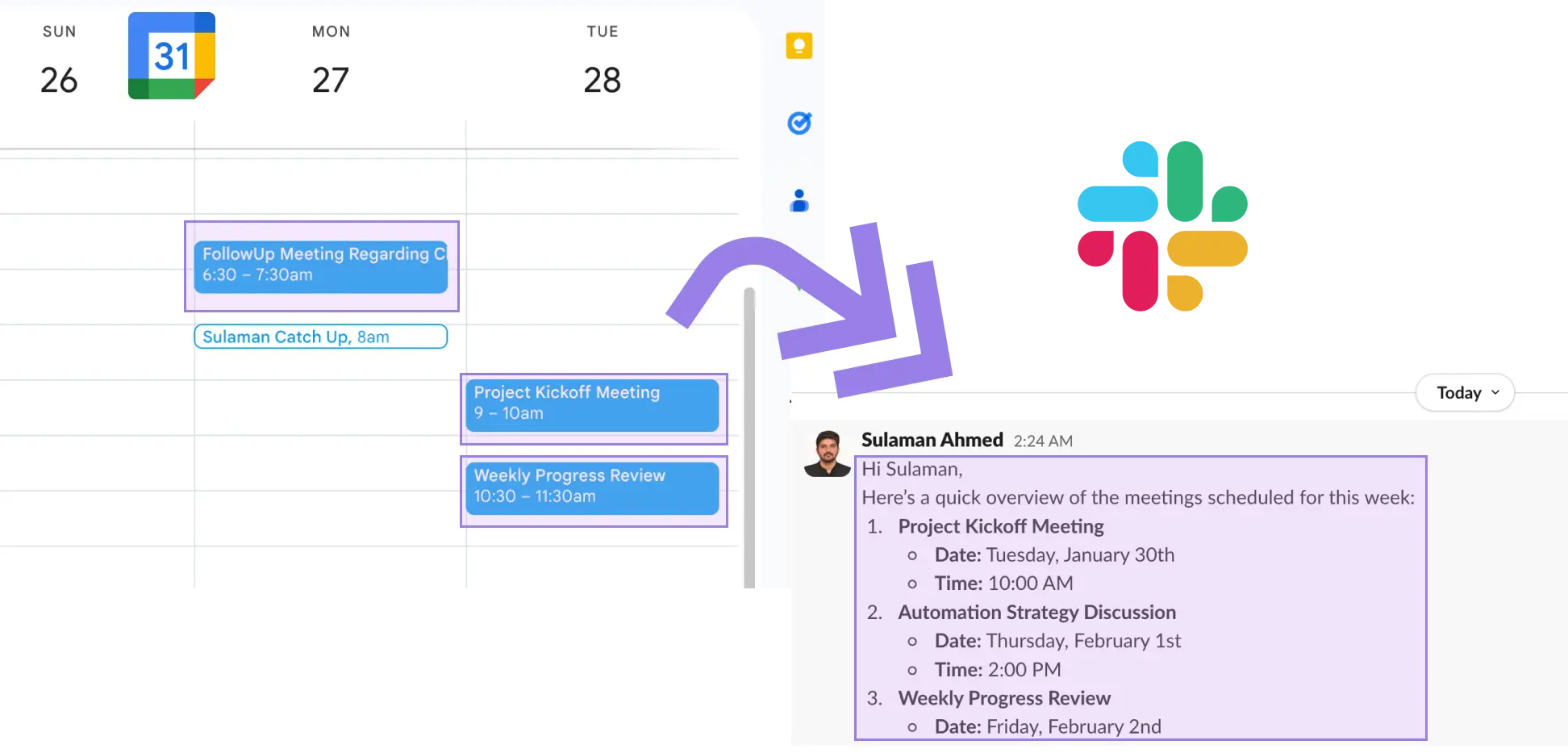
How does this playbook work?
Staying on top of your calendar is a chore. This playbook automatically sends your upcoming week's meetings to Slack every Monday, including descriptions and join links, so you're always prepared.
Quickly jump from email threads to Zoom meetings without missing a beat. This is perfect for fast-paced sales environments where time is money. Consider a scenario where you seamlessly transition from a promising email exchange to a face-to-face Zoom call. Bardeen's playbook streamlines this process for maximum efficiency.


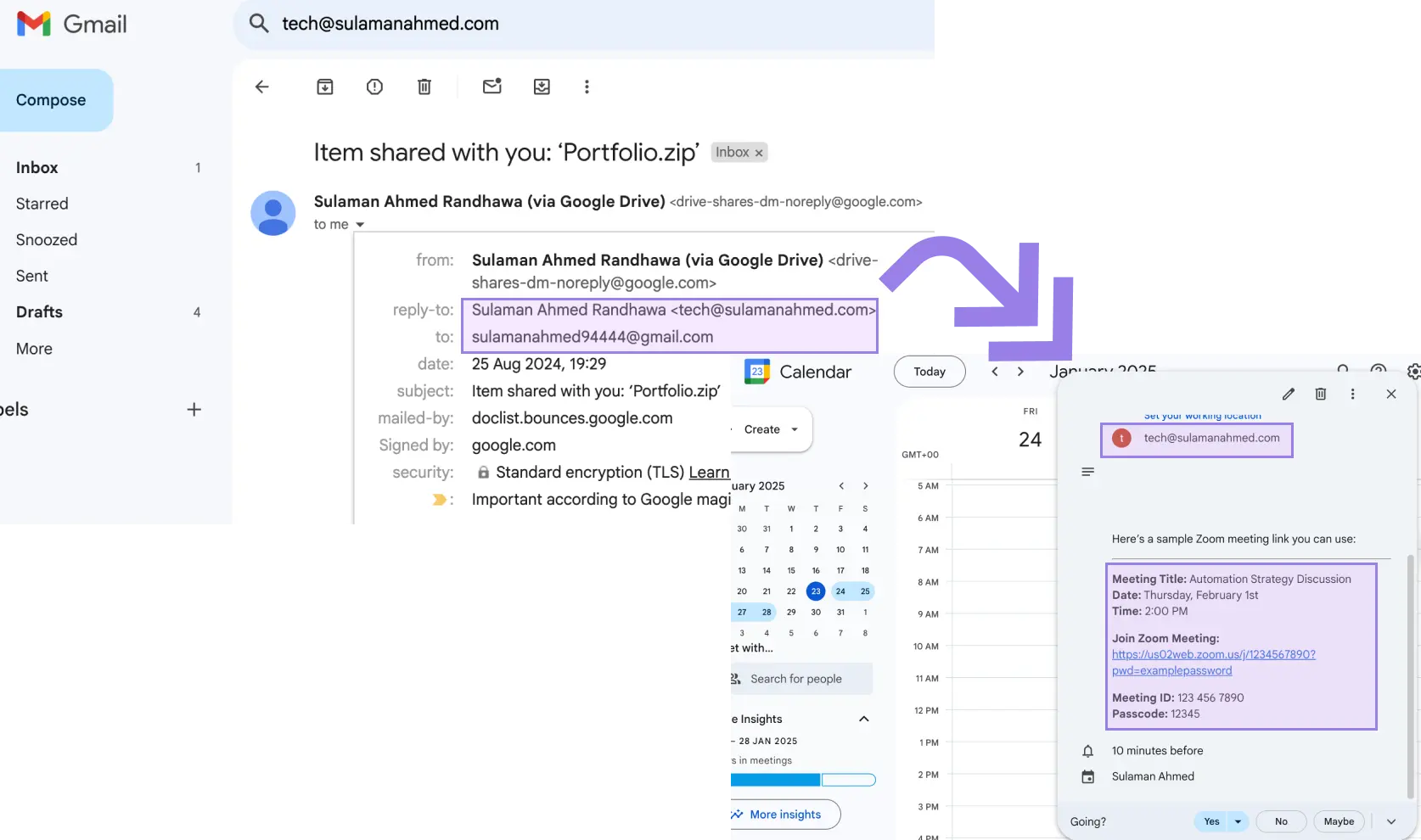
How does this playbook work?
Scheduling meetings with Zoom links is tedious. This playbook creates a Google Calendar event with a Zoom link for all recipients in an open Gmail thread automatically.







SOC 2 Type II, GDPR and CASA Tier 2 and 3 certified — so you can automate with confidence at any scale.